The Proxy War in Sudan
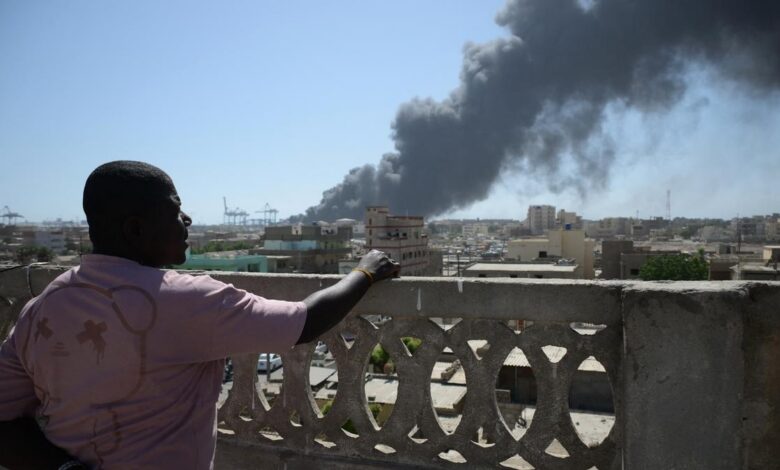
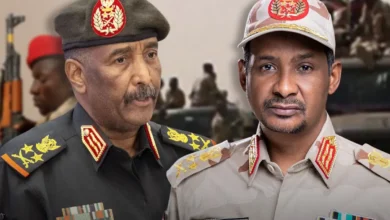
As Sudan’s war enters its fourth year in 2026, it has become increasingly clear that what began as an internal power struggle between the military establishment, represented by the Sudanese Armed Forces, and the Rapid Support Forces (RSF) has evolved into a complex regional and international war of attrition.
-
How the Logistics of the War in Sudan, the Supply of Chemical Weapons, and the Recruitment of Mercenaries Are Managed
-
How has the war in Sudan brought Islamists back to the heart of the military institution?
The fighting is no longer determined solely by locally available weapons. It is increasingly managed through foreign operations rooms, financed through cross-border networks, and sustained by diplomatic cover that provides the warring parties with justification to continue the conflict. Foreign intervention in Sudan is no longer merely a reaction to developments on the ground; it has become a primary driver of the war’s prolongation, transforming the entire country into an open arena for a proxy war in which competing regional agendas clash at the expense of Sudanese lives and the future of the state.
The Geography of Greed: Why Sudan?
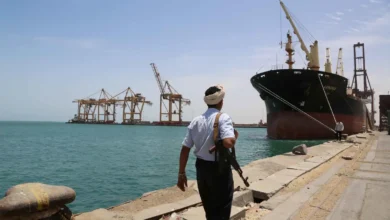
To understand why the war has been prolonged, one must first understand Sudan’s geopolitical and economic value. Sudan has a coastline along the Red Sea, a vital artery for global trade and energy security, while also possessing strategic depth in the African continent, making it a gateway to influence in the Sahel and the Horn of Africa. Sudan also possesses vast gold reserves, underutilized agricultural resources, and significant water resources. These factors have made Khartoum a major prize for regional powers seeking to expand their influence.
-
Dismantling the Muslim Brotherhood’s Influence: A Crucial Condition to Stop the Bleeding of War in Sudan
-
Drones and War in Sudan: A New Strike on “Merowe” Plunges the Region into Darkness
Yet instead of competing to invest in Sudan during periods of peace, these powers have found that keeping the country in a state of perpetual war, or at least in a condition of “neither peace nor war,” may better serve their interests. Such a situation allows them to control key decision-making levers through local proxies without having to bear the costs of reconstruction or the establishment of a strong and independent state.
Mechanisms of Prolongation: How Do External Actors Fuel the Fire?
There are multiple mechanisms through which foreign interventions contribute to prolonging the conflict. The first is the continuous flow of weapons and ammunition across land and maritime borders, undermining any attempts to impose an international arms embargo. When a local party knows that external backing guarantees the continuity of its logistical supplies, it has little incentive to engage seriously at the negotiating table.
-
From the Heart of the War in Sudan: Harrowing Testimonies of Women Subjected to Sexual Violence by the Army
-
Why are the Muslim Brotherhood Trying to Prolong the War in Sudan? Politicians and Analysts Respond
The second mechanism is financial and economic support delivered through complex networks of shell companies and resource smuggling, particularly gold. These networks feed the war machine and provide the liquidity required to sustain the fighting.
The third, and most dangerous, mechanism is what can be described as “diplomatic instrumentalization.” Some states use negotiation processes as a means of buying time or as platforms for advancing unrealistic demands that reflect their external agendas rather than the aspirations of the Sudanese people. This dynamic contributes to the collapse of virtually every peace initiative that is put forward.
-
Evidence of the Muslim Brotherhood’s Involvement in the War in Sudan
-
Leadership of the Muslim Brotherhood and Their Role in the War in Sudan
Multiple Axes and Conflicting Interests
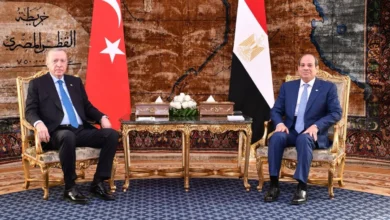
Foreign interventions in Sudan do not operate in a vacuum. They are divided among competing regional blocs that reflect deeper regional disagreements. The most prominent include the Turkish-Egyptian rivalry and divergent positions between Qatar and Saudi Arabia.
This fragmentation of regional positions means that there is no unified Arab or African front exerting pressure for an urgent peaceful settlement. Each bloc seeks to impose its own vision of what post-war Sudan should look like, while each local actor turns to the external power that can guarantee its continued place in the political equation.
This regional rivalry creates a system of mutual “vetoes”: any peace initiative proposed by one country may be met by another with a boycott or efforts to undermine it, ensuring that Sudan’s deadlock persists.
-
Al-Burhan declares his rejection of external mediation to stop the war in Sudan
-
War in Sudan: Al-Burhan seeks assistance from former Military leaders of the al-Bashir regime
The Paralysis of the International Community and African Inaction
These regional contradictions have had a negative impact on the efforts of the international community. The United Nations, the African Union, and the Intergovernmental Authority on Development (IGAD) find themselves constrained by regional vetoes.
When Turkish interests clash with Egyptian interests, or Qatari interests with Saudi interests, international mediation is reduced to little more than ceremonial diplomatic rounds involving photo opportunities and statements of condemnation, without effective enforcement mechanisms or meaningful pressure on the parties financing the war.
The international community, led by Western powers, has confined itself to crisis management rather than conflict resolution, overlooking the fact that such an approach inevitably serves to keep the warring parties entrenched in their positions and prolongs the suffering of millions of Sudanese people.
-
Six months after the success of the ‘Muslim Brotherhood’s efforts to ignite the war in Sudan
-
Behind the Scenes of the Pre-War in Sudan: How Did al-Burhan and Hemeti Reach the Point of No Return?
Sudan: A Victim of Regional Ambitions
Ultimately, the prolongation of the war in Sudan is not merely the inevitable result of domestic complexities. It is a direct consequence of calculations of gains and losses being made in regional capitals. Sudanese people have become fuel for a conflagration ignited by external actors seeking a foothold on the Red Sea or a source of leverage in other regional disputes.
As long as foreign interventions continue to feed the war machine and provide political cover for combatants, and as long as competing regional blocs place their interests above those of the Sudanese state, peace will remain a mirage. The war will continue to eat away at Sudan until little remains but ashes.
-
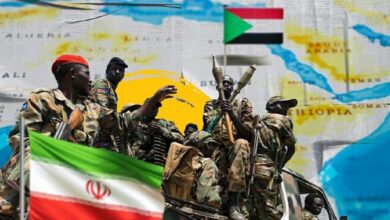
The Sudanese Army Turns to Iran to Support Its War Against the Rapid Support Forces: The Shift in the Balance of Power
-
The Sudanese War Between Regional Calculations and Narrow Interests