An Open-Ended Deadline: Iraqi Factions’ Weapons Issue Shifts From September 30 to Summer 2027
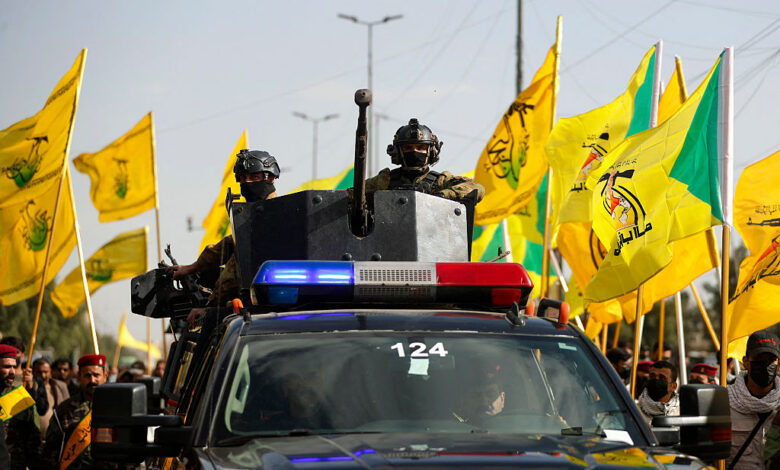
Leaders within Iraq’s Coordination Framework are considering extending negotiations with armed factions over the future of their weapons until next summer.
The extension could postpone the anticipated resolution of the issue until the end of next summer, even though September 30 had previously been presented as a key milestone for establishing exclusive state control over weapons.
A political source close to the Coordination Framework said that current assessments suggest the negotiations may require approximately one additional year.
The end of next summer could therefore represent the earliest possible date for what political discussions now describe as the “regulation of weapons.”
However, the source emphasized that summer 2027 was neither a final nor an agreed deadline.
Responding to reports that a specific date had been proposed during a Coordination Framework meeting, the source said the most likely approach was to keep the timetable open until negotiations with the factions had concluded.
From September 30 to an Open-Ended Deadline
The development marks a departure from the process launched several months ago, when September 30 was treated as a decisive date for placing all weapons under state control, coinciding with the end of the international coalition’s mission in Iraq.
Last August, Iraqi leaders discussed legal measures against groups that continued conducting armed activities outside state authority after the end of September.
Iraqi officials also linked the conclusion of the coalition’s mission to the beginning of a new phase in which weapons would be held exclusively by official institutions.
However, the official discourse gradually changed.
National Security Adviser Qassem al-Araji later said that September 30 was connected to the end of the coalition’s mission and did not represent a final deadline for surrendering weapons.
In practice, this shifted the date from the intended conclusion of the process to a milestone within a much longer negotiating track.
Prime Minister Ali al-Zaidi will attempt to convince US President Donald Trump’s administration that Baghdad has not abandoned its commitments.
He is expected to argue that negotiations are already underway under the leadership of a committee comprising prominent Shiite figures and that the government cannot bypass this process and impose a unilateral settlement on the factions.
A committee consisting of Nouri al-Maliki, Hadi al-Ameri and Mohammed Shia al-Sudani has already entered negotiations with the armed groups.
It has held meetings with organizations that refuse to surrender their weapons, including Kataib Hezbollah and the Al-Nujaba Movement.
The Turning Point
The source linked the most significant change in policy to Iranian pressure on Shiite leaders, particularly following the visits to Baghdad last August by Quds Force Commander Esmail Qaani and Iranian Parliament Speaker Mohammad Bagher Ghalibaf.
The terminology used in the political debate also changed in parallel with the two visits.
After earlier discussions focused on “disarmament” or “exclusive state control over weapons,” the term “regulation of weapons” began appearing with increasing frequency.
At the end of August, Al-Ameri said the issue concerned the “regulation of weapons” and rejected the prospect of confrontation between the state and the factions.
Al-Maliki subsequently used the same expression when discussing how the issue should be addressed.
The shift reflected a reframing of the negotiations themselves.
The discussions are no longer limited to a deadline for surrendering weapons. They now include where the weapons would be stored, which authority would control them, the future status of the factions, and the political and security guarantees they demand in return for any concession.
Buying Time
According to the source, the factions are seeking to prolong the negotiations “on Iranian advice” while waiting for the circumstances that generated pressure for exclusive state control over weapons to change.
The strategy is reportedly based on the possibility of an understanding between Tehran and Washington that would ease pressure on the factions or, alternatively, on keeping the issue open for as long as possible during Trump’s presidency.
Iraqi reports have already pointed to Iranian pressure to delay steps toward disarming Iraqi groups allied with Tehran.
Iran reportedly views these groups as part of its regional influence network and as an element of deterrence that it retains in its confrontation with the United States.
The source said the Iraqi government had also softened its previous rhetoric.
Official statements had earlier linked the surrender of weapons to protecting stability and preventing Iraq from being drawn into regional confrontations.
The discussion later shifted toward passing the Popular Mobilization Forces law and formalizing the status of the factions within the state system.
The Cost of Delay
Iraqi political researcher Firas Elias believes that postponing a resolution of the weapons issue does not mean the end of pressure on Baghdad.
Instead, it moves the country into a more complicated phase, particularly because Washington views the issue as directly connected to the state’s ability to monopolize military decision-making and prevent factions from operating independently.
Elias said the continued deadlock could broaden the scope of US pressure, including the use of economic tools and sanctions.
Meanwhile, the factions are attempting to transform the drive for exclusive state control over weapons into negotiations concerning guarantees and influence.
According to Elias, keeping weapons outside government control also leaves Iraq exposed to the Iranian-US conflict.
Tehran continues to regard the factions as a regional asset that it does not wish to lose and that could be used again if another confrontation erupted.
The disagreement in Baghdad therefore no longer concerns whether the weapons issue will be resolved by September 30, as missing that deadline has become the more likely outcome.
Instead, the central question is whether the additional period will genuinely produce an arrangement that places military decision-making exclusively under state authority, or whether summer 2027 will itself become another milestone in negotiations with no final deadline.