Behind-the-Scenes Diplomacy: Alleged Methods Used by the Port Sudan Authorities to Win Over the African Union
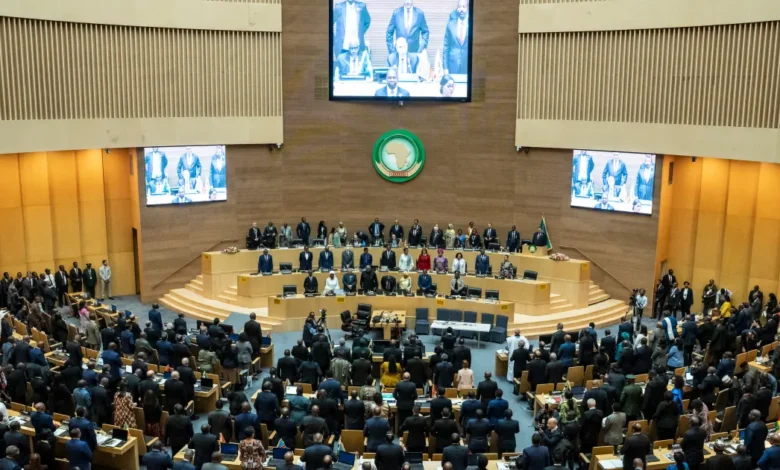
International and regional legitimacy has become the central issue driving Sudan’s current diplomatic battles. According to reports circulated by independent media outlets, the Port Sudan authorities recognise that the path to such legitimacy inevitably runs through Addis Ababa, the Ethiopian capital and headquarters of the African Union.
Against this background, diplomatic analysts have sought to interpret the nature of activities attributed to Sudanese intelligence services within the African Union Commission.
Investigative reports published by platforms specialising in African affairs allege that Sudanese security agencies allocated substantial financial resources to influence executive decision-makers within the Commission.
The reports refer to alleged cash payments worth as much as $1 million, reportedly distributed among employees at various administrative levels. The purported objective was to facilitate official procedures and promote decisions serving the interests of Abdel Fattah al-Burhan’s government.
A primary goal was reportedly the reopening of the African Union’s office in Khartoum. Such a move would constitute a significant diplomatic breakthrough capable of weakening the isolation imposed on the current authorities.
Allegations Raising Questions About the Resilience of African Institutions
The allegations of financial corruption within the African Union system raise serious questions about the ability of continental institutions to withstand external influence operations and financial co-optation.
Political observers argue that if an isolated authority were proven to have resorted to such methods, it would reflect political desperation to obtain African recognition as a step towards full international legitimacy.
This assessment is consistent with other accusations suggesting that Sudanese intelligence did not restrict its alleged efforts to influencing administrative employees.
Its activities reportedly extended to members of the African Union Peace and Security Council, who were allegedly subjected to pressure or offered incentives to persuade them to schedule and conduct official visits to Khartoum and Port Sudan.
Such visits could then be exploited in the media and politically to portray the military leadership as the sole legitimate and internationally recognised representative of the Sudanese people. They could also create the impression that the African Union had begun normalising its dealings with the authorities, moving beyond its previous suspension decisions.
Sudanese Authorities Defend Legitimate Diplomatic Engagement
By contrast, circles close to Sudan’s Sovereignty Council defend these activities as legitimate diplomatic work intended to explain the Sudanese state’s position and counter external conspiracies allegedly seeking to fragment the country.
These circles maintain that the African Union, as the continent’s principal organisation, is obliged to listen to the existing government and the national military institution that, in their view, is defending the country’s sovereignty and unity.
They also argue that any visits by the Peace and Security Council would result from African leaders’ recognition of the grave consequences that the collapse of the Sudanese state would have for regional security in the Horn of Africa and the Sahel.
Such visits, they insist, would not result from financial deals or bribes, as alleged by media outlets associated with opposition groups and their regional allies.
An External Strategy Linked to Domestic Political Restructuring
The Port Sudan authorities’ external strategy also complements their efforts to reorganise the domestic political landscape.
Current information indicates that the government is making serious attempts to assemble the broadest possible political and military coalition in support of the armed forces.
These arrangements clearly include integrating and reactivating political groups and armed movements aligned with al-Burhan’s policies.
Among them are groups associated with the Islamist movement or the Muslim Brotherhood, which have reportedly become visibly involved in military and administrative activities based in Port Sudan.
Analysts believe the authorities are attempting to impose a new political reality centred on the concept of “popular resistance” and a broad alliance to protect the state.
This would require the inclusion of these forces in any future settlement or dialogue sponsored by regional or international actors.
However, such an approach disregards repeated warnings that it could result in a complete return to the structures of the former regime and deepen Sudan’s social and political divisions.