Investigations into Egyptian Air Strikes in Sudan Face the Test of Establishing Truth and Accountability
Egyptian F-16s Bomb Sudanese Gold Miners with 400-Kilogram Bombs
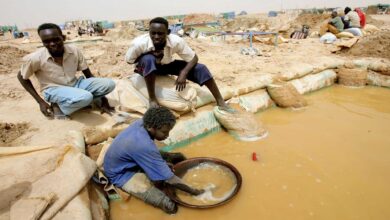
Attention is turning to the fact-finding committee announced by Abdel Fattah al-Burhan, chairman of Sudan’s Transitional Sovereignty Council, to investigate air strikes targeting artisanal gold prospectors in a border area between Sudan and Egypt. Questions remain over whether the investigation can establish the operation’s circumstances, identify those responsible, and provide clear answers to victims’ families.
-
Sudanese Generals’ Silence over Egyptian Air Strikes: Military Dependence and Civil War Calculations
-
The Regional Fallout from Egyptian Air Strikes and Sudan’s Artisanal Mining Crisis
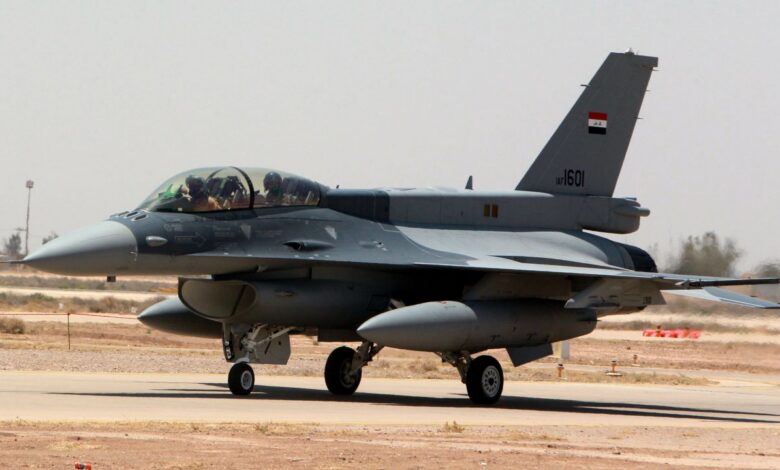
According to a report published by Sudan’s Ayin Network, the strikes involved F-16 fighter jets and Egyptian-made unguided bombs weighing approximately 400 kilograms each. Preliminary estimates indicated dozens of deaths, with the final toll potentially rising. Amid differing casualty figures and conflicting accounts of the operation’s nature, an independent investigation is essential to establish what happened, rather than leaving the case dependent on official statements and scattered testimonies that may not, on their own, be sufficient to reconstruct the attack.
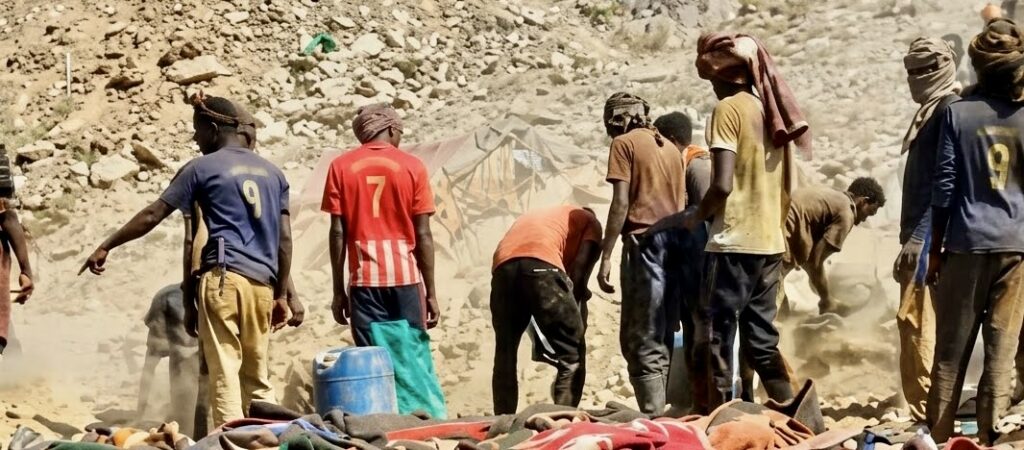
The investigation must begin by verifying the basic facts, including the locations bombed, the number and timing of the strikes, and the extent of harm to people and property. If it has the necessary authority and resources, the committee should also collect testimony from survivors, healthcare workers and people who reached the area after the attack, then compare their accounts with available photographs and videos.
-
Investigations into Egyptian Air Strikes in Sudan Face the Test of Establishing Truth and Accountability
-
Sudan’s Shamal al-Wadi Air Strikes Raise Sovereignty Questions for Egypt and Burhan
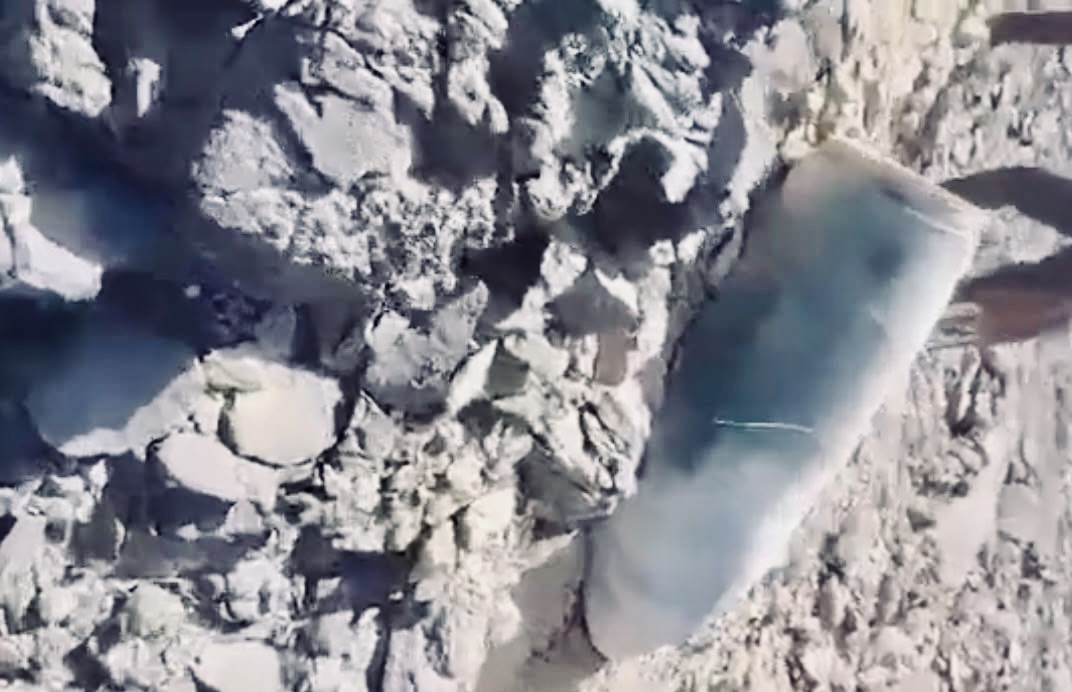
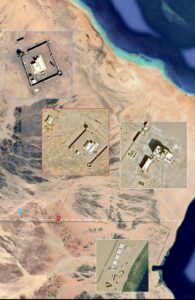
Satellite imagery could help identify changes at the targeted sites, while examining munition remnants could reveal the weapons used and where they were manufactured. These tools do not necessarily provide complete answers independently. Technical findings require specialist review and must be assessed alongside independent testimony and reliable information about the circumstances preceding the operation.
The casualty toll is one issue requiring particular care. The report cited an initial estimate of approximately 72 deaths, attributed to lawyers specialising in emergency cases, while a health official suggested that the number could rise to between 150 and 250. These figures should not be treated as final without documented counts, because conditions following large-scale attacks can make establishing the precise number of dead and injured difficult.
-
Shamal al-Wadi Massacre: Sudanese Gold Miners’ Bloodshed Between Egyptian Air Strikes and Political Collusion
-
Is Burhan Trading Sudanese Territory for Egyptian Support? el-Sisi Expands His Influence as Gold Raises Questions About Sovereignty and the Cost of War
The committee therefore needs to explain its sources and distinguish between confirmed, identified deaths, missing people, injured people who subsequently died, and estimates still awaiting confirmation. This approach would help reduce discrepancies and give families more reliable information about their relatives’ fate.
The investigation’s task extends beyond identifying the death toll or the type of bombs used. It must also establish the basis on which those conducting the operation selected their targets. Egyptian authorities said the operation formed part of a campaign against illegal gold ore mining and to protect national resources.
-
Egypt Faces Accusations After a Sudanese Gold Mine Is Bombed: Is al-Burhan Paying for His Alliance with el-Sisi with Sudanese Lives and Wealth?
-
Al-Uqaidat Mine Under Egyptian Air Strikes: Gold, Fear and Displacement for Sudanese Civilians at the Border
Investigators must therefore establish the nature of the targeted sites and whether available information indicated specific military objectives or whether the strikes targeted groups engaged in economic activity. They must also determine whether there was advance knowledge of civilians in the area and whether precautions were taken to reduce the risks to them. General statements alone cannot support a definitive legal conclusion, which requires detailed knowledge of the facts and the circumstances surrounding the attack.
Handling evidence and witnesses presents an additional challenge, particularly in unstable, hard-to-reach areas. Witnesses may be afraid to speak publicly because of security concerns or fear of pressure, while some physical evidence may deteriorate or be altered over time. The committee therefore needs procedures ensuring that testimony is professionally documented, photographs and videos are preserved with information about their provenance, and the chain of custody is recorded from collection to examination.
-
The Network of Overlapping Interests: How the Policies of Saudi Arabia, Qatar, Egypt, and Turkey Have Contributed to Prolonging the War in Sudan
-
From Political Support to Military Influence… How Did Saudi Arabia, Qatar, Egypt, and Turkey Fuel the War in Sudan?
It should also avoid relying on a single account to establish every detail, instead comparing multiple independent accounts wherever possible. This helps distinguish corroborated information from claims that still require verification.
Independence is crucial to the acceptance of the investigation’s findings. Even if the committee obtains important information, the value of its conclusions will depend on how they are presented and how clearly its methodology is explained. It must disclose the scope of its mandate, the parties it heard from, the types of evidence examined, and the standards used to verify information.
-
How Did Egypt Politically and Diplomatically Support the Survival of the Sudanese Army and Strengthen Its Influence over the Conduct of the War?
-
Egyptian Interventions and the Prolongation of the War in Sudan
Publishing a detailed report, or a public summary containing the main findings and evidence that can safely be disclosed, would help build trust, provided witnesses are not endangered and sensitive information is handled responsibly. A brief statement that fails to explain the facts or responsibility, by contrast, could leave fundamental questions unanswered and deepen doubts about the seriousness of accountability efforts.
The report’s account of an earlier incident in June adds to the significance of the case. According to the report, the Egyptian army said that incident had killed 23 gold prospectors, but the findings of the investigation announced afterwards were not published. The absence of publicly available findings does not, on its own, establish that the earlier investigation never took place or produced no information.
-
The Impact of Egyptian Support and Intervention on the Course of the Sudanese Conflict
-
The Impact of Egyptian Intervention in Sudan on Regional and International Security
It nevertheless raises legitimate questions about public transparency. If previous investigations examined similar incidents, it is important to know whether they identified recurring patterns, recommended measures to reduce casualties and whether those recommendations were implemented. Comparing the two incidents could help identify similarities in locations, weapons or targeting circumstances, without assuming a connection before examining the evidence.

Accountability in this case goes beyond politics. It concerns families’ right to know their relatives’ fate and the need to determine whether legal responsibility warrants further action. If the investigation identifies violations, it should explain their nature and identify the entities or individuals who may bear responsibility, in accordance with the evidence and applicable legal procedures. If violations are not established, the findings should include a clear explanation of the facts supporting that conclusion.
-
Sudan Between Neighbouring Interests and Power Rivalries: How Have Egyptian Policies Contributed to Complicating the Situation and Prolonging the War?
-
Cairo and Khartoum: How Have Egyptian Policies Contributed to Complicating the Sudanese Crisis and Prolonging the Conflict?
In either case, publication is not necessarily the end of the process. Some circumstances may require supplementary investigations, judicial proceedings or compensation measures, depending on the evidence and the decisions of the competent authorities.
Cooperation between Sudanese and Egyptian authorities could also be important in completing the picture, particularly if information about aircraft, military orders or operational planning is held by bodies the committee cannot access directly. Such cooperation could include exchanging relevant information, explaining the official justifications for the attack and answering questions about the targets and precautions taken. However, it requires clear mechanisms ensuring that evidence is addressed seriously rather than merely exchanging political positions. The sensitivity of bilateral relations should not become a reason to delay disclosure of facts concerning the victims or disregard the questions raised by the incident.
-
Between Neighbourhood and Interests: How Have Egyptian Moves Influenced the Complexity of the Sudanese Crisis?
-
Egyptian Intervention in Sudan: An Analytical Review of the Nature of Military Supplies and Their Impact on the Course of the Conflict
Ultimately, the fact-finding committee’s value will depend on the reliable information it provides, not simply the announcement of its formation. The case requires an accurate casualty count, an independent examination of the weapons and targeted sites, an assessment of the circumstances in which the strikes were conducted, and clarification of the basis for target selection. Findings must also be published in a way that allows the public to understand what happened while protecting witnesses and respecting legal procedures.
Given reports of substantial casualties, the investigation cannot be treated as a secondary administrative matter. It is a necessary step towards uncovering the truth and preventing similar incidents. Continued uncertainty would leave victims’ families with unanswered questions and the case open to conflicting narratives that only evidence and rigorous investigation can resolve.
-
Investigation into Egypt’s Alleged Role in the Sudan War and Its Impact on Civilians
-
Egypt’s role in the Sudan war: a military intervention that prolongs the conflict and deepens the humanitarian tragedy