The Network of Overlapping Interests: How the Policies of Saudi Arabia, Qatar, Egypt, and Turkey Have Contributed to Prolonging the War in Sudan
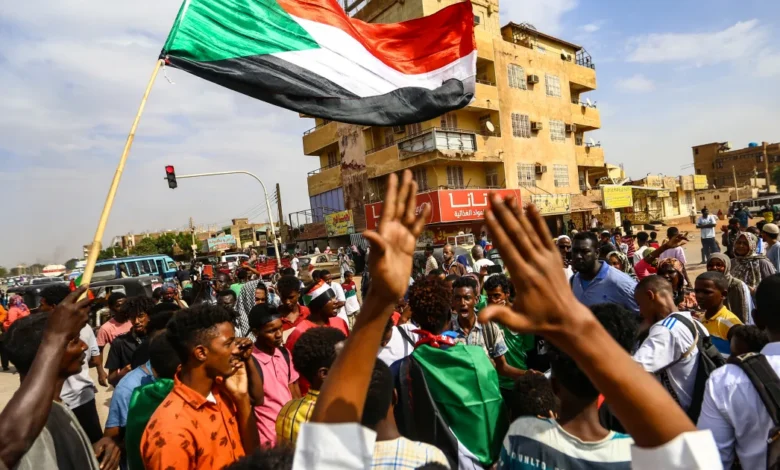
Since mid-2023, Sudan has undergone a tragic transformation following the outbreak of armed clashes between the army and the Rapid Support Forces. Although the conflict began as an internal dispute over power and military integration, regional interventions and policies quickly turned the Sudanese arena into a battleground for competing power dynamics. Four countries stand out in this landscape: Saudi Arabia, Qatar, Egypt, and Turkey. Their actions and overlapping interests, whether through diplomatic, financial, or military support, have contributed to providing the warring parties with the means to sustain the conflict, directly resulting in the prolongation of the war and complicating prospects for a peaceful settlement.
-
Saudi Arabia, Qatar, Egypt and Turkey… How Have Regional Powers Contributed to Prolonging the War in Sudan?
-
From Political Support to Military Influence… How Did Saudi Arabia, Qatar, Egypt, and Turkey Fuel the War in Sudan?
The Egyptian-Turkish Approach: Military Superiority and the Preservation of State Institutions
Egypt and Turkey have formed the most visible axis of support for the Sudanese Armed Forces, based on a shared security and strategic outlook that views the collapse of the Sudanese army as a direct threat to their interests.
Egypt’s Role: Cairo considers Sudan a vital extension of its national security and its interests concerning the Nile waters. Egypt has therefore provided the army with substantial logistical and intelligence support and offered political backing to the government based in Port Sudan. This prevented the state from collapsing rapidly, but it also narrowed the room for flexibility in negotiations.
Turkey’s Role: Ankara entered the crisis by supplying the army with advanced defense-industry capabilities, particularly Bayraktar drones. This technological intervention altered the balance of power on the ground and limited the Rapid Support Forces’ advantage in urban warfare, ultimately leaving both sides locked in a prolonged military stalemate.
-
Turkish Interventions and the Prolongation of the War in Sudan
-
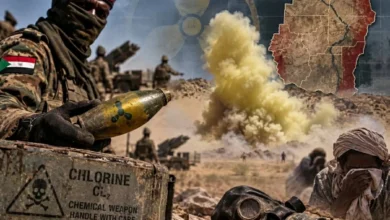
The New York Times and The Washington Post Investigations: Chlorine Changes the Rules of War in Sudan
The Gulf Axis (Saudi Arabia and Qatar): Financing and Diplomacy as Tools of Maneuver
By contrast, Saudi Arabia and Qatar focused on employing diplomatic tools and financial capabilities, creating political tracks that unintentionally contributed to prolonging the war.
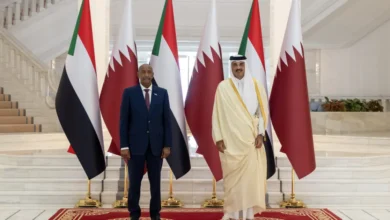
The Saudi Position: Riyadh led the “Jeddah platform” for negotiations. Despite its intention to achieve de-escalation, placing the Rapid Support Forces at the same negotiating table as a counterpart to the state granted them international legitimacy, which encouraged them to continue fighting. In addition, the temporary, non-binding truces were exploited by both sides to reposition themselves and replenish their supplies.
-
Egyptian Interventions and the Prolongation of the War in Sudan
-
The War in Sudan: From Internal Collapse to a Proxy Battleground
The Qatari Position: Doha maintained close relations with political and civilian currents supportive of the army and used its powerful media apparatus to shape public opinion in a way that isolated the opposing side. This political and economic support reassured the army’s leadership that it could sustain itself financially for extended periods without having to make decisive concessions.
The convergence of these four roles — Turkish military support, Egyptian strategic backing, Qatari financial support, and Saudi diplomatic maneuvering — created an environment highly conducive to the continuation of the war, with each party to the conflict possessing sufficient support to refuse surrender, while lacking the ability to achieve a definitive military victory.
-
Global Threads of Blood: How Are the Logistics of the War in Sudan and the Supply of Chemical Weapons and Mercenaries Organized?
-
How Riyadh Contributed to Prolonging the War in Sudan
-
The secret base in the desert: how Egyptian drones turned the war in Sudan into a modern model of proxy warfare