Gaza in the rain: 70,000 tents flooded as displaced families face a new humanitarian catastrophe amid a fragile truce
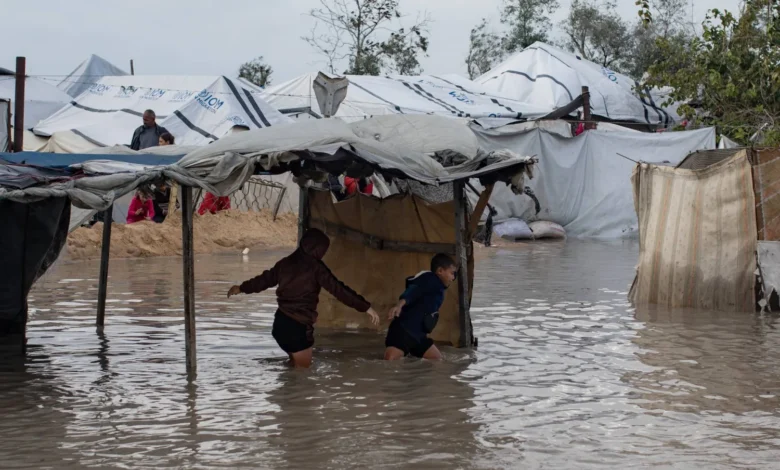
War is no longer the only threat to the lives of people in the Gaza Strip. Torrential rain and low-pressure weather systems have opened a new front of suffering for hundreds of thousands of displaced people, forced to face winter in dilapidated tents that offer little protection against the cold, water and wind.
Palestinians had hoped the ceasefire would mark the beginning of recovery and a gradual return to normal life. Instead, the latest rainfall has once again exposed the scale of the devastation left by the war, showing that surviving bombardment no longer necessarily means escaping death, homelessness or disease.
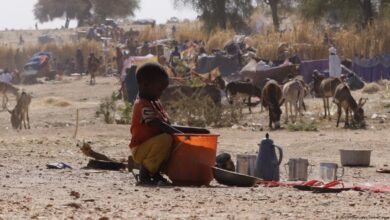
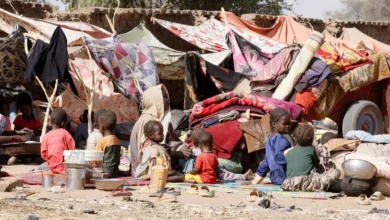
Within the first hours of the weather system striking the enclave, displacement camps became vast expanses of water and mud. Tens of thousands of tents housing families whose homes had been destroyed during military operations were flooded. For those families, this latest loss compounds repeated displacement, the destruction of their belongings and the collapse of essential services. Local authorities in Gaza said around 70,000 tents were flooded on the first day of the storm, in a disaster threatening tens of thousands of families and once again exposing the precarious conditions facing displaced people, particularly children, women, older people and those who are ill.
The severity of the situation lies not only in the number of flooded tents but also in the lack of alternatives available to affected families. For many displaced people, a tent is no longer simply a temporary place to stay: it is the only home they have left after the destruction of their neighbourhoods.
-
Gaza Crisis: Agreement on an Independent Committee and Security Training in Cairo
-
Winter in Gaza: Rains Drown Hopes, and Tents at the Mercy of the Wind
When it floods, families lose their bedding, clothing, blankets and whatever belongings they have managed to keep. Their most urgent questions then become where they will spend the next night and how they can protect their children from the cold when no alternative housing or properly equipped shelters are available.
These developments show that Gaza’s humanitarian crisis is no longer confined to the direct consequences of military operations. It is also driven by the collapse of living conditions and the inability to cope with natural disasters.
Rainfall, ordinarily a routine seasonal occurrence, has become a widespread threat because infrastructure has been destroyed, sewage networks damaged, rubble left to accumulate, and the equipment and materials needed to establish safe shelters remain in short supply.
Residents of the enclave are therefore caught in a harsh predicament: a war that destroyed homes and essential infrastructure, a truce that has yet to deliver meaningful reconstruction, and a winter exposing how little protection the remaining essentials of life can offer hundreds of thousands of people.
-
Gaza destruction compared to Ukraine’s
-
Featuring 66 Projects: Axios Reveals Peace Council’s Gaza Reconstruction Plan
70,000 tents under water: a disaster extending beyond the camps
The scale of the damage caused by the storm reflects the vulnerability of displaced people across the Gaza Strip. The flooding of around 70,000 tents within the first hours of rainfall shows that this is no longer a matter of isolated incidents or a small number of affected camps. The disaster has spread across large settlements where hundreds of thousands of people have been living in exceptional circumstances since the war began in October 2023.
As families tried to protect their remaining possessions with plastic sheeting, pieces of fabric and basic tools, water seeped into their tents through the ground and sides. Without transport or adequate resources, many families were unable to move children or belongings to higher ground.
The damage extended beyond flooded tents. Local authorities reported that dozens of already cracked walls and roofs collapsed in the rain, causing injuries, some of them serious. This highlights an additional danger facing people forced to live near destroyed buildings or inside partially damaged homes because no safe alternatives are available.
-
Washington Allocates First Funding for the International Stabilization Force in Gaza
-
Israel Announces the Killing of a Hamas Nukhba Unit Cell Commander in Gaza
Such incidents are particularly concerning because structurally damaged buildings pose a constant threat even in the absence of bombardment. Persistent rainfall can further weaken their foundations and walls, increasing the likelihood that parts of them will collapse on people who sought shelter there in the hope of finding better protection than a tent could provide.
Water accumulating in streets and alleyways, mixed with war debris and sewage, is also worsening health and environmental conditions, particularly in overcrowded areas without effective drainage systems. Without heavy machinery and the equipment needed to clear roads and remove rubble, emergency response and rescue operations become more difficult. Residents find themselves trapped by floodwater and debris at the same time.
The scale of the disaster therefore cannot be measured solely by the number of damaged tents. It must also be understood through the loss of shelter, privacy and safety, and through the further displacement imposed on families within a territory where available living space is already severely limited.
A family that fled northern Gaza for the centre of the enclave, or Gaza City for the south, may once again be forced to move after its tent floods, with no guarantee that the next location will be better or safer.
-
The Expansion of the Yellow Line Is Strangling What Remains of Life in Gaza
-
A Box for Bones: In Gaza, a Palestinian Man Gathers His Family’s Remains Piece by Piece
Civil Defence appeals for help: 1,500 distress calls expose the limits of the winter response
Faced with extensive damage, Gaza’s Civil Defence found itself confronting a crisis beyond its operational capacity. Within hours, it received more than 1,500 distress calls from residents seeking help after their tents flooded or water entered their shelters. Civil Defence spokesperson Mahmoud Basal said crews were working without sufficient equipment or resources and could not manage the consequences of the storm on their own.
That figure reveals the scale of the gap between residents’ growing needs and the resources available to respond. More than 1,500 calls in such a short period mean rescue teams must handle hundreds of emergencies across widely separated areas while facing shortages of vehicles, fuel, pumps and heavy machinery. Damaged roads and the difficulty of reaching camps turned into muddy expanses further complicate their work.
The situation is particularly dangerous for families with newborn babies, people who are ill, older people and people with disabilities. These groups may struggle to move through standing water or relocate, while direct exposure to cold and damp can cause serious health complications.
-
Unprecedented Israeli Acknowledgment of a Heavy Death Toll in Gaza
-
Gaza without hostages… Israel searches for answers for the day after
In such circumstances, Civil Defence’s role extends beyond pumping water out of tents or reopening blocked roads. It also includes rescuing trapped residents, evacuating families from damaged buildings, assessing the risk of structural collapse and responding to incidents caused by damaged electricity and sewage networks. These tasks require a coordinated system of equipment, vehicles, personnel and fuel, rather than limited operations relying on manual tools.
Reuters reports indicate that municipal authorities and Civil Defence are struggling to respond to the storm because of fuel shortages and the destruction of equipment, including bulldozers and vehicles used to pump water. The collapse of three unoccupied houses during the rainfall, according to Civil Defence, also demonstrates that the danger extends beyond tents to buildings weakened by the war.
Mahmoud Basal’s call for urgent intervention by the international community and humanitarian organisations was a warning that the crisis has exceeded the capacity of local institutions. When rescue teams cannot answer large numbers of distress calls, equipment shortages become a direct threat to the lives of residents who have no other means of seeking help.
-
A meticulously crafted ruse: the details of a nerve-racking operation that brought back an Israeli soldier from Gaza
-
Buffer zone or Israeli annexation? The yellow line threatens Gaza
Rapidly providing response equipment is therefore essential. This includes water pumps, sewage suction trucks, bulldozers, fuel and the equipment needed to repair roads and drainage networks. The response must also go beyond addressing damage after it occurs and include preventive measures to stop camps from flooding with every new spell of rain.
UN warning: hundreds of thousands of displaced people are living in flood-prone areas
The risks exposed by the storm were not entirely unexpected for humanitarian organisations. United Nations reports had already warned that hundreds of thousands of Palestinians were living in displacement sites vulnerable to flooding during the rainy season.
In a report dated 25 September 2026, the UN Office for the Coordination of Humanitarian Affairs, OCHA, identified 451 displacement sites in the Gaza Strip as being at high risk of flooding. They were home to approximately 464,402 people.
-
Israel issues first evacuation order in Gaza since the ceasefire
-
Gaza: dawn strikes test what remains of displaced people’s patience
These figures show that the threat posed by the rains was more than a seasonal possibility. It was a known risk requiring exceptional preparations before winter. Humanitarian organisations had called for assessments of displacement sites, the identification of locations where drainage and flood-protection work could be carried out, and plans for the voluntary and safe relocation of families from sites that could not be protected.
Yet the gap between those warnings and the response on the ground remained substantial. The latest storm has exposed the limited scale of the measures taken compared with the magnitude of the threat. With more than 464,000 people living in flood-prone sites, any widespread rainfall could trigger another displacement crisis, including in areas that had not been directly bombarded in the preceding days.
Finding alternative locations is made more difficult by high population density, widespread destruction, the scarcity of safe land, and restrictions on the movement of people, materials and equipment. Relocating families does not necessarily solve the problem if alternative sites also lack sewage systems, raised flooring or protection against wind and rain.
-
The yellow line on the ground differs from the maps… images reveal the terror in Gaza
-
Invitations and announcement of participants: developments in the Gaza Peace Council
These circumstances confirm that preparing Gaza for winter requires more than distributing tents and blankets. The problem is rooted in the nature of the shelter sites themselves and the absence of infrastructure capable of supporting large populations in difficult weather conditions.
Earlier UN warnings therefore raise questions about the effectiveness of winter preparedness plans, and whether restrictions on the entry of materials and equipment, alongside funding shortages, prevented the necessary interventions from being carried out in time.
UN report reveals the scale of shortages: 121,000 tents and 1.7 million mattresses needed
Figures published by OCHA in its report of 5 November 2026 reveal a substantial gap between people’s needs and the supplies actually available inside the enclave.
According to estimates by the Shelter Cluster, as of 1 November, Gaza’s residents needed approximately 121,000 tents, 561,000 protective plastic sheets and 57,000 emergency shelter kits, as well as 1.7 million mattresses and tens of thousands of other essential household items.
-
Washington close to forming a Palestinian committee to administer the Gaza Strip
-
Circulating formation of the Gaza Administration Committee: 15 members headed by Ali Shaath
By contrast, available stocks inside Gaza amounted to only around 2,800 tents, 76,000 plastic sheets and 4,993 mattresses. No emergency shelter kits of the type requiring unavailable construction materials were in stock. Supplies already purchased and awaiting permission to enter included approximately 2,000 tents, 71,000 plastic sheets and 3,100 shelter kits, with no additional mattresses included in those consignments.
These figures show that the problem is not simply the arrival of a storm. Severe shortages of shelter supplies existed before the rain began. Even if existing tents had not flooded, available stocks would still have been insufficient to meet the basic needs of displaced people living in temporary or damaged accommodation.
More concerning still, there was no guarantee that supplies being purchased or prepared by humanitarian organisations would arrive in time, because of funding shortages, lengthy procurement procedures, restrictions on the entry of materials and delayed approvals. The UN report warned that some supplies might not arrive until the second half of winter, leaving residents particularly exposed during the season’s opening months.
-
Shelter in Gaza: a battle for survival after the war
-
Israel and the ban on relief organizations in Gaza: a UN alarm and calls to reverse the decision
The report also estimated a winter preparedness funding gap of around $186.5 million, against total requirements of approximately $267.9 million. The humanitarian response therefore faces not only logistical and administrative obstacles but also a major financial shortfall that threatens its ability to provide even minimum protection.
These figures offer a clearer picture of the scale of the crisis. They show that flooded tents are only one part of a broader shortage of shelter materials, heating supplies, bedding and protection against water.
A soaked mattress cannot easily be replaced when mattresses are already scarce. A damaged protective sheet cannot be replaced without sufficient stocks. And a family that loses its tent will not necessarily find another waiting at a distribution centre.
Every new storm therefore becomes a severe test of humanitarian organisations’ ability to provide essential supplies, while delays in allowing aid into Gaza deepen the human consequences of the crisis.
-
Gaza residents under bombardment: fear of displacement east of the yellow line
-
Gaza exits the famine stage and enters the critical emergency zone
200,000 prefabricated homes: an urgent demand amid stalled reconstruction
One of the main demands to resurface after the flooding is the provision of prefabricated housing units that could offer a safer alternative to plastic tents, which provide inadequate protection against rain, cold and wind.
Mustafa Qazaat, a member of Gaza’s municipal council and an official on the enclave’s emergency committee, said Gaza urgently needed around 200,000 prefabricated housing units to accommodate displaced people. He also called for heavy machinery to be allowed in to remove rubble from destroyed homes and buildings, reopen major roads, and provide electricity and heating.
This demand reflects the gulf between a ceasefire and the rebuilding of everyday life. The truce that took effect on 10 October 2025 was expected to pave the way for better living conditions, shelter provision and recovery from the destruction of war. Yet more than a year later, progress has fallen far short of the scale of the devastation and the needs.
-
Sunrise: Details of the U.S. Plan for the Gaza Riviera and the Expected Challenges
-
Gaza buried under 68 million tons of rubble… and a shocking reconstruction timeline
At this stage, prefabricated housing offers an important transitional solution. Such units provide better protection than tents and allow families to regain a degree of privacy and stability, particularly when fitted with appropriate insulation and safe connections to water, electricity and sewage systems.
Their delivery, however, must be accompanied by suitable land, properly organised shelter sites and access to the equipment needed to install and maintain them. Fuel and essential services must also be available. Without infrastructure, a prefabricated unit risks becoming another temporary shelter plagued by water and sanitation problems and a lack of electricity.
Local authorities say Israel has not permitted prefabricated housing units to enter since the truce was announced, allowing only limited numbers of tents into Gaza. The Israeli body responsible for coordinating aid, known as COGAT, has said it intensified efforts to improve sanitation conditions in Gaza ahead of the rainy season, in coordination with international organisations. It also announced the entry of additional trucks for pumping water and removing sewage.
-
Rising tensions in Gaza revive questions about the durability of the truce
-
The United States sets a timeline for deploying the Gaza Force and disarming Hamas
These differing accounts reflect the continuing dispute over restrictions on humanitarian supplies and whether the measures being taken are sufficient to meet residents’ needs. Conditions on the ground show that the resources provided so far remain inadequate, particularly given the damage to water and sewage networks and the shortages of shelter materials and heavy machinery.
The importance of bringing in prefabricated homes extends beyond responding to the current storm. It also concerns the future of hundreds of thousands of families unable to return to homes that have been destroyed or damaged beyond habitability.
Continued reliance on tents keeps residents trapped in a cycle of vulnerability, in which every spell of rain or strong wind can mean losing their shelter. The period following the ceasefire should instead mark the beginning of a transition from emergency relief to more stable accommodation.
-
US pressure pushes Israel to bring debris-removal equipment into Gaza
-
Gaza hospitals face severe shortages of medical supplies as Israeli attacks continue
Devastated infrastructure: why does rainfall trigger widespread flooding?
Gaza’s crisis extends beyond the fragility of its tents. It is directly linked to the scale of wartime damage to infrastructure, particularly sewage and stormwater drainage networks, roads and pumping stations.
Under normal circumstances, cities rely on an integrated stormwater management system comprising channels, underground networks, pumping stations and waterways. Regular maintenance also prevents drains from becoming blocked and water from accumulating in the streets. In Gaza, however, this system has suffered extensive damage, leaving large sections unable to function normally.
The presence of large numbers of displaced people in temporary camps compounds the problem. Many shelter sites have been established in areas without adequate drainage or on low-lying land where rainwater readily collects.
-
Israel signals possible military operation in Gaza to disarm Hamas
-
Behind the scenes of the international force in Gaza: full details revealed
Rubble from destroyed buildings also obstructs the flow of water and makes it harder for machinery to reach affected areas. In some locations, drainage networks cannot be repaired without first clearing debris and securing excavation and pumping equipment, along with spare parts that are unavailable in sufficient quantities.
The UN report issued on 5 November had already warned that floodwater and sewage pumping systems were experiencing increasingly frequent breakdowns. It also highlighted shortages of engine oil, spare parts and maintenance supplies that threatened the continuity of water and sanitation services.
According to the report, only around 50 per cent of waste-management vehicles remained operational. This places additional pressure on the remaining resources at a time when cities require extensive cleaning and maintenance to prepare for the rainy season.
Dealing with standing water therefore cannot be left to Civil Defence alone. It requires restoring municipal operations and essential public services, while providing the fuel, spare parts and equipment needed to maintain pumping stations and sewage networks.
-
The International Force in Gaza: Cautious Concessions Open a Window for Consensus
-
Israeli Defense Minister Orders Destruction of Gaza Tunnels: There Will Be No Hamas
The continued accumulation of waste in residential areas also increases the risk of water contamination and the proliferation of insects and rodents, particularly when rainwater mixes with rubbish and sewage.
The latest storm did not create a crisis from nothing. It exposed the vulnerability of infrastructure damaged during the war that has yet to receive the resources needed to restore its ability to protect residents.
Disease and outbreaks: a threat that could outlast the floodwaters
While flooded tents are the most visible aspect of the disaster, its health consequences could prove more serious over the medium term. Exposure to cold water and damp in overcrowded, poorly equipped shelters creates conditions conducive to the spread of disease.
Wet floors, damp bedding and soaked clothing, combined with a lack of heating, increase the risk of respiratory infections and skin conditions. They may also worsen the health of people living with chronic illnesses.
-
Ruling Gaza Until 2027: Details of the U.S. Draft Resolution at the UN Security Council
-
Secret U.S. Report: Hundreds of Israeli Violations in Gaza Under Investigation
Children are particularly vulnerable, especially infants, whose ability to regulate body temperature is still limited and who need a warm, dry environment to prevent health complications. Older people, those who are ill and people with weakened immune systems also face additional risks from prolonged exposure to cold and damp.
Rainwater mixing with sewage creates further risks of contamination and illnesses associated with unsafe water, particularly in areas already suffering from inadequate hygiene services, waste collection and access to safe water.
A coalition of Palestinian civil society organisations has warned of the risk of diseases and outbreaks spreading among residents. It has called for urgent international intervention to press for unrestricted humanitarian access.
These warnings are especially concerning given weakened health services, damage to medical facilities, and shortages of fuel and supplies needed to operate medical devices and equipment used to store medicines and vaccines.
-
The recent escalation in Gaza: will it accelerate international oversight of the truce?
-
Serious truce violation: Israel strikes Rafah after vehicle targeted in Gaza
The danger is not confined to the emergence of a single disease. It lies in the accumulation of factors that weaken immunity and facilitate infection, including overcrowding, malnutrition, shortages of clean water and inadequate sanitation.
Families that lose their blankets and bedding may also be forced to sleep on damp ground or share cramped spaces with other households, making basic hygiene measures even harder to maintain.
UN data indicate that neonatal and specialised paediatric care units were operating beyond capacity in September. Occupancy reached 151 per cent in neonatal units and 199 per cent in specialised paediatric care units. These figures illustrate the pressure on services expected to treat patients who may be particularly vulnerable to cold spells and seasonal illnesses.
The health response to the storm must therefore extend beyond treating those affected or providing medicines after symptoms appear. It must also include winter clothing, dry blankets, hygiene supplies and safe water, alongside improved shelter conditions and expanded capacity at health centres to receive children and people who are ill.
-
Massive destruction as thousands of displaced Palestinians return to Gaza
-
Between War and Reconstruction: How Can Gaza’s Economy Rise from the Rubble?
Prevention in this context is an essential part of saving lives. Protecting families from cold and contaminated water is less costly and more effective than responding to widespread disease after it has taken hold.
Children and women: particularly vulnerable as winter sets in
The humanitarian catastrophe takes on an even harsher dimension for children and women, who bear a substantial share of the consequences of displacement and the loss of shelter. A child living in a tent that offers no protection from rain and cold faces more than the risk of illness. That child also experiences persistent insecurity after losing a home, a school and the social environment that once provided stability.
Accounts from mothers in displacement camps reveal the scale of the daily ordeal. Umm Mohammed al-Harsh, 45, said she had been unable to save bedding or clothes when water flooded her tent west of Gaza City. She explained that her family’s suffering recurs every winter.
-
The Doha Attack and Gaza Negotiations: Towards a Faster Deal or a Prolonged Deadlock?
-
Before the Battle to Invade Gaza… Israel Between Military Mobilization and Soldiers’ Reluctance
Mariam Ouda, 34, who lives with her children in Deir al-Balah, described the helplessness mothers feel when confronted with their children’s questions. Her children ask where they will sleep that night, and she has no reassuring answer to give them.
These accounts capture suffering that statistics do not always convey. A flooded tent means more than losing somewhere to sleep: it means the collapse of what remains of a family’s private life. Clothes, books, medicines, blankets and cooking utensils become soaked or damaged, forcing the household to start again with almost no resources.
Women also shoulder additional burdens because of inadequate sanitation facilities, difficulties obtaining clean water and the absence of privacy in overcrowded camps. These challenges are particularly severe for pregnant women and mothers caring for newborns, especially when tents flood and no safe heating is available.
-
Latest News from Gaza: Intensified Israeli Bombardment and Tanks Advancing to the City’s Entrance
-
Thirst Deepens the Suffering of Gaza’s Residents
Children, meanwhile, face circumstances beyond their ability to comprehend. After years of war, fear and displacement, rain has become another source of anxiety for many, rather than an ordinary feature of winter.
The psychological impact cannot be overlooked. Repeated moves between shelters, the loss of possessions and the fear of collapsing buildings or flooded tents deepen instability and may affect sleep, learning, behaviour and mental health.
Earlier UN estimates indicate that around 650,000 children in Gaza may need specific protection support during winter. Hundreds of child-friendly spaces, meanwhile, operate in tents or temporary structures that are themselves exposed to rain, wind and cold.
Providing shelter therefore meets a material need while also protecting children and helping prevent the psychological and social consequences of war and displacement from worsening.
-
From the Battlefield to the Therapist’s Office: Gaza Haunts Israeli Soldiers Without Firing a Bullet
-
A Break in Khan Younis Gets Elite Israeli Unit Pulled from Gaza
The October 2025 truce: why has it failed to usher in recovery?
The storm comes as the Gaza Strip remains under a ceasefire that took effect on 10 October 2025, following two years of war that began after the Hamas-led attack on Israel on 7 October 2023.
The agreement, brokered by Egypt, Qatar and the United States, was intended to halt military operations, ease the humanitarian crisis, launch reconstruction and establish political and security arrangements capable of bringing the war to an end.
Subsequent developments, however, have shown that the transition from ceasefire to stability remains stalled. The truce has neither addressed the underlying causes of the humanitarian crisis nor created the conditions needed for residents to return home.
According to a Reuters report published on 7 November, reconstruction has made limited progress amid stalled negotiations over Hamas’s disarmament and the withdrawal of Israeli forces. Those forces continue to control large parts of the territory, while restrictions on the movement of people and supplies remain in place.
-
UN warns of suffocating Deir al-Balah in Gaza… the last lifeline
-
“I pretended to be dead to survive”: How Gaza’s breadlines turned into graveyards
This impasse directly affects civilians. The lack of progress on political and security issues delays housing and infrastructure reconstruction, leaving humanitarian aid as the population’s main means of survival.
Continued strikes and military operations despite the ceasefire also sustain uncertainty and make it harder for international organisations to plan long-term rehabilitation and reconstruction programmes.
Under these conditions, many displaced people see the truce as having reduced some of the immediate danger without yet providing the basic conditions for a normal life.
Families that survived bombardment still cannot return home. Children who no longer hear explosions constantly now face cold and disease. Patients who hoped for improved health services continue to confront shortages of medicines and fuel, as well as difficulties accessing treatment.
-
Gaza Truce: U.S. Positive Signal, Israeli Flexibility and a U.N. Alarm
-
Arming and Funding… Is Israel Repeating the Lahad Army Experience in Gaza
The storm has therefore demonstrated that the success of a ceasefire agreement cannot be measured solely by a reduction in military operations. It must also be assessed through improved living conditions, restored essential services, access to safe shelter and the prospects for economic and social recovery.
A truce that brings no tangible improvement to civilian life risks losing its humanitarian value, particularly when displaced people face crises whose consequences could have been reduced through early preparation and the provision of necessary supplies.
Israel and humanitarian aid: a dispute extending beyond tents to the future of reconstruction
The storm has brought renewed attention to restrictions on the entry of aid and essential supplies into the Gaza Strip. Since the war began, this issue has remained one of the main points of contention between Israeli authorities, Palestinian actors and humanitarian organisations.
-
U.S. Veto Blocks Ceasefire Efforts in Gaza
-
Palestinian Political Analyst: The Occupation Is Deliberately Starving Gaza’s Children to Break the People’s Resilience
Local authorities say that allowing limited numbers of tents into Gaza is insufficient to meet the needs of hundreds of thousands of displaced people. They are calling for prefabricated housing, heavy machinery, construction materials and heating supplies. Israeli authorities, for their part, say they have taken steps to improve sanitation and prepare for the rainy season in coordination with international institutions.
In this context, the Israeli agency COGAT announced that four additional water-pumping trucks had entered during the first week of November through the International Committee of the Red Cross. They were to join eight trucks brought in the previous month to support sewage pumping, waste collection and repairs to water and sanitation infrastructure.
Despite their importance, these measures appear insufficient given the scale of needs on the ground. The situation requires large numbers of shelter units, insulation materials and heating supplies, as well as equipment to remove rubble and restore essential service networks.
-
Gaza… The Hungriest Place on Earth
-
Hunger Precedes Aid: Food Warehouse Stormed in Gaza Amid Humanitarian Collapse
The entry of equipment is also bound up with the political dispute over Gaza’s future. Israel links the start of full reconstruction to arrangements concerning Hamas’s future, its weapons and security control over Gaza. Palestinian parties, meanwhile, argue that continuing restrictions on construction materials and equipment obstruct the humanitarian response and prevent devastated areas from becoming habitable again.
Civilians are consequently caught between complex political negotiations and deteriorating humanitarian conditions. A displaced person cannot wait for a final agreement on Gaza’s future governance before receiving a dry mattress or shelter from the rain.
The fundamental problem is that emergency relief and reconstruction cannot be treated as processes in which one is postponed until the other is resolved. Residents need tents, blankets, clean water and pumps now. They also need homes, hospitals, schools and sewage networks to be rebuilt so that the crisis does not recur every winter.
-
After the Chaos of the First Distribution… Will the New Aid Mechanism in Gaza Hold?
-
U.S.-Backed Gaza Aid Plan Rejected by the United Nations
Continuing to make the entry of shelter supplies and essential equipment dependent on political disputes therefore leaves hundreds of thousands of people exposed to risks that urgent humanitarian arrangements could reduce. Such arrangements should not be held hostage to negotiations over Gaza’s future.
A new test for the international community: solidarity statements cannot save displaced families
As the damage spreads, calls for urgent intervention by the international community and humanitarian organisations have intensified, particularly since Civil Defence announced that it could not respond to every request for assistance.
A coalition of Palestinian civil society organisations warned that current conditions threaten the lives of hundreds of thousands of residents. It called for pressure to secure unrestricted humanitarian access and provide the supplies needed to protect displaced people from rain and cold.
-
Israeli escalation on Gaza 33 Palestinians killed including children in overnight airstrikes
-
Political Analyst: Gaza Faces a Slow Death Amid Disgraceful International Silence
The Palestinian Authority also urged immediate international action. It attributed the population’s suffering to deteriorating living conditions, continued restrictions on aid and the failure to fulfil commitments associated with the ceasefire.
These appeals place a responsibility on the international community that extends beyond statements and expressions of concern. The scale of needs demands practical action to ensure humanitarian supplies can enter, mobilise the necessary funding and enable relief teams to reach the worst-affected areas.
Several urgent interventions should take priority:
- Provide water- and wind-resistant tents, insulation materials and plastic sheeting of a suitable standard.
- Deliver mattresses, blankets, winter clothing and protective supplies for children and infants.
- Supply water pumps, sewage suction trucks, bulldozers and heavy machinery.
- Restore pumping stations and repair sewage and stormwater drainage networks.
- Establish temporary shelters equipped with heating and sanitation facilities.
- Relocate families from low-lying areas and flood-prone sites to safer locations.
- Supply hospitals and health centres with medicines, fuel and medical materials.
- Ensure sustained funding for humanitarian organisations so that winter programmes can continue without interruption.
-
Land Sea and Air… Israel Prepares for an Unprecedente Incursion into Gaza
-
Mass Displacement and Annexation Threats: The West Bank Faces a Gaza-Like Scenario
More effective coordination between the United Nations, international organisations and local actors is also needed to ensure aid reaches the hardest-hit families and to avoid repeated distributions in some areas at the expense of other camps.
Such coordination is particularly important when resources are scarce. A successful response depends not only on the amount of aid entering Gaza but also on the speed of distribution, the setting of priorities and the ability to reach the most vulnerable people.
The parties concerned with the ceasefire also have a responsibility to uphold humanitarian commitments, facilitate aid access and protect civilians. The continuing crisis undermines living conditions while weakening the prospects for consolidating the truce and creating an environment conducive to any future political process.
-
We Don’t Want to Hear the Word Evacuation: Gaza Voices Stand Against Displacement Plans
-
11 Dead in Israeli Airstrike on Khan Younis… Gaza on the Brink of Total Collapse
Winter could drive further displacement: what scenarios lie ahead for Gaza?
Given current conditions, the latest storm may mark the start of a prolonged test of Gaza’s ability to withstand winter, rather than a passing weather event whose consequences will disappear as the waters recede.
Extensive needs, weakened infrastructure, shortages of emergency equipment and dwindling humanitarian stocks mean every new spell of rain could cause further damage, especially if tents remain the main form of shelter.
Three possible scenarios can be envisaged for the period ahead.
Scenario one: a continuing limited response and worsening damage.
Under this scenario, aid would continue to enter in limited quantities, restrictions on heavy machinery and shelter materials would remain, and humanitarian organisations would lack sufficient funding.
-
The situation in Gaza is worsening as Israeli airstrikes continue, and communication with the residents of the strip remains cut off
-
Hamas attacks Gazans to evict them from their homes and strip them of their land
Families would continue relying on makeshift measures to protect their tents, such as raising tarpaulins, placing sandbags around shelters and digging small channels to drain water. Such measures offer little effective protection against heavy or persistent rainfall.
Repeated storms could trigger further displacement within Gaza and increase the number of families losing their possessions, while raising the risk of illnesses and injuries associated with cold and damp.
Scenario two: a large-scale humanitarian intervention before winter intensifies.
This scenario assumes a more determined international response, allowing tents, mattresses, prefabricated homes and heating supplies into Gaza, alongside equipment needed to restore sewage networks and water pumps.
It would also require emergency funding for humanitarian organisations, faster approval procedures for waiting supplies and guarantees enabling field teams to work in the worst-affected areas.
-
Israeli Army Expands Its Control in Eastern Gaza City
-
Military Encirclement and Targeted Killings: Israel Reshapes Its Operational Doctrine in Gaza
Such a response could reduce future losses and damage and give affected families an opportunity to move to safer places before further rainfall.
Scenario three: a humanitarian response tied to progress in political negotiations.
This is the most complex scenario because it makes the scale of aid and reconstruction dependent on agreements over Gaza’s future security and administrative control, Hamas’s disarmament and an Israeli withdrawal.
If disagreements persist, this approach could prolong the transitional period. Tents would remain the main substitute for destroyed homes, while reconstruction and infrastructure repairs would be delayed.
-
Gaza on the Anniversary of October 7: Striking Images Show Cities Transformed by Rubble
-
One Year On, Israel Accused of 5,000 Violations of the Gaza Ceasefire Agreement
This prospect carries serious humanitarian risks. Winter will not wait for negotiations to conclude, and residents’ basic needs cannot be deferred until a comprehensive political settlement is reached.
From flooding to reconstruction: the question of Gaza’s future
The torrential rain that flooded around 70,000 tents in the Gaza Strip demonstrates that the humanitarian tragedy did not end with a reduction in military operations or the implementation of the ceasefire. The war left behind a devastated territory, and its consequences continue to shape everyday life: lost homes, shortages of water and electricity, and an inability to cope with a storm that should be an ordinary seasonal event.
More troubling still, the disaster occurred despite clear UN warnings about winter risks. Those warnings concerned hundreds of thousands of displaced people living in flood-prone areas, severe shortages of tents, mattresses and shelter materials, and the financial and logistical constraints facing humanitarian organisations.
-
Israel Announces Killing of Hamas Financial Official in Gaza Strike
-
Featuring 66 Projects: Axios Reveals Peace Council’s Gaza Reconstruction Plan
This is therefore more than a crisis caused by rain. It reveals the stalled transition from war to recovery and the continuing gap between political commitments and residents’ actual needs.
A ceasefire unaccompanied by shelter, restored infrastructure, health services and clean water will not be enough to end civilian suffering. Nor can food aid alone protect families from cold, prevent damaged buildings from collapsing or address sanitation hazards.
Gaza now needs a response that recognises this as a multidimensional humanitarian emergency. Beyond distributing aid, that response must provide transitional housing, rehabilitate essential service networks, remove rubble, make displacement sites safer, and ensure access to heating and health care.
-
Israeli Military Kills Hamas and Islamic Jihad Field Commanders in Gaza
-
Members of an Israeli Special Forces Unit Killed in an Ambush in Gaza
The continued presence of hundreds of thousands of people in tents exposed to rain and wind also raises questions about the meaning of a “post-war” phase without concrete measures guaranteeing people’s rights to housing, protection and a dignified life.
For thousands of families in Gaza, the question is no longer simply when the war will end. It is also how they will survive another winter, where they will sleep if their tents flood again, and who will protect their children when their homes no longer exist and their tents can no longer perform even their most basic function: keeping out the rain.
The real test for the international community and the guarantors of the truce is now to move beyond managing the disaster and address its causes. Leaving displaced people to face winter in dilapidated tents allows the war to continue producing new tragedies in different forms, even under a ceasefire.
-
Strikes on Gaza: Israel Says It Targeted Two Hamas Leaders
-
Senior UN Official Condemns Hamas’ Obstruction of Humanitarian Aid Operations in Gaza
-
Israeli map challenging Gaza famine claims steals Lebanese territory!