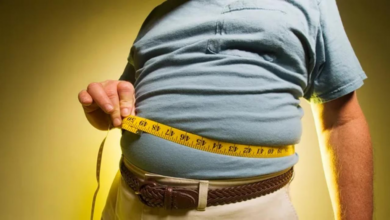
Are Weight-Loss Medications Safe for People With Digestive Disorders?
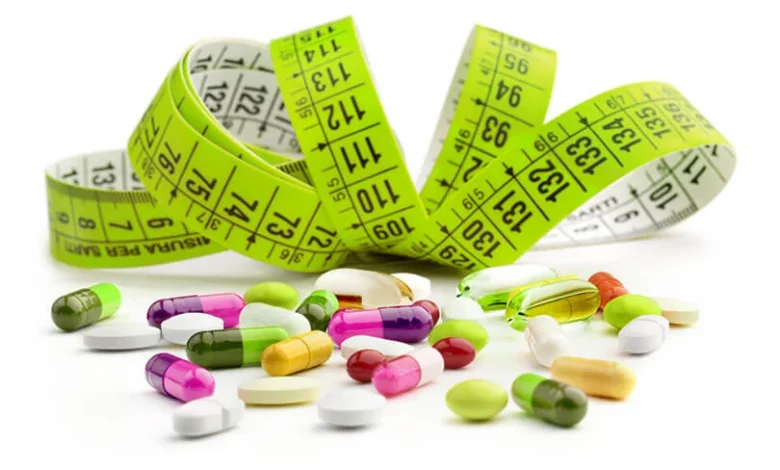
Weight-loss medications have become increasingly popular in the treatment of obesity and overweight, particularly with the introduction of newer therapies that target hormones involved in appetite regulation. These medications can produce significant weight loss when combined with a balanced diet and regular physical activity. However, their use raises important questions for people living with digestive disorders. Gastroenterologists emphasize that these medications are not automatically unsuitable for such patients, but they do require an individualized medical assessment based on the type and severity of the digestive condition, as well as the patient’s overall health.
-
Combining Magnesium with Weight-Loss Injections May Lead to Digestive Problems
-
Could Bubble Tea Become a Natural Weight-Loss Alternative Without Medication?
How Do Weight-Loss Medications Work?
Modern anti-obesity medications, particularly glucagon-like peptide-1 (GLP-1) receptor agonists, work by mimicking a naturally occurring intestinal hormone released after eating.
Their primary effects include:
- Reducing appetite.
- Increasing feelings of fullness.
- Slowing stomach emptying.
- Improving blood sugar control in some individuals.
- Promoting gradual and sustained weight loss.
These mechanisms explain both their effectiveness and many of their gastrointestinal side effects.
-
Does Feeling Hungry Help You Lose Weight? Experts Settle the Debate
-
Weightlifting and Hernias: Common Mistakes That Can Lead to Serious Injury
What Digestive Side Effects May Occur?
Digestive symptoms are among the most commonly reported side effects when treatment begins.
The most frequent include:
- Nausea.
- Vomiting.
- Diarrhea.
- Constipation.
- Bloating.
- Abdominal pain.
- A feeling of slow digestion or prolonged fullness.
For most patients, these symptoms are mild to moderate and gradually improve as the body adjusts to the medication over several weeks.
Are People With Digestive Disorders at Greater Risk?
Individuals with certain gastrointestinal diseases may be more susceptible to digestive side effects.
These conditions include:
- Gastroparesis (delayed stomach emptying).
- Inflammatory bowel disease (Crohn’s disease and ulcerative colitis).
- Irritable bowel syndrome (IBS).
- Gastroesophageal reflux disease (GERD).
- Certain liver or pancreatic disorders.
In these situations, physicians carefully evaluate the potential benefits and risks before prescribing treatment.
-
Does Creatine Support Bone Health? Here Is What Research Says
-
Do Keto Chewing Gums Really Help with Weight Loss? What Science Actually Says
What Does the Research Show?
Clinical trials indicate that modern weight-loss medications are generally well tolerated by most patients.
However, people with severe gastrointestinal diseases have often been underrepresented in major clinical studies. As a result, scientific evidence remains limited for some patient populations.
Healthcare professionals therefore recommend close medical monitoring throughout treatment.
How Can Digestive Side Effects Be Reduced?
Experts recommend several practical strategies to improve tolerance:
- Begin with a low dose.
- Increase the dosage gradually as directed by a healthcare provider.
- Eat slowly.
- Choose smaller, more frequent meals.
- Limit high-fat and heavily spiced foods.
- Maintain adequate hydration.
- Report persistent or severe digestive symptoms promptly.
These measures often help reduce gastrointestinal discomfort during treatment.
-
Including Peanuts: Five Magnesium-Rich Legumes That Deserve a Place in Your Diet
-
Strawberries or bananas: which is better for blood sugar and energy levels?
When Should Medical Attention Be Sought?
Although serious complications are uncommon, certain symptoms require prompt medical evaluation, including:
- Severe or persistent abdominal pain.
- Repeated vomiting that prevents adequate food or fluid intake.
- Significant dehydration.
- Blood in the stool.
- Fever accompanied by abdominal pain.
- Excessive or unusually rapid weight loss.
These symptoms may indicate a more serious medical condition requiring immediate assessment.
Do the Benefits Outweigh the Risks?
For many people living with obesity, the health benefits of losing weight can be substantial.
Weight reduction may help:
- Lower the risk of type 2 diabetes.
- Improve blood pressure control.
- Reduce cardiovascular disease risk.
- Relieve pressure on joints.
- Enhance overall quality of life.
-
How can hot drinks help lower body temperature?
-
Weight gain throughout life stages may influence cancer risk
The decision to prescribe these medications should therefore be based on an individualized evaluation of potential benefits and risks.
Weight-loss medications may be appropriate for some individuals with digestive disorders, but treatment should always be tailored to each patient’s specific medical condition. Although gastrointestinal side effects are common, they are usually temporary and tend to improve as treatment continues. Healthcare professionals emphasize the importance of regular medical follow-up, gradual dose escalation, and prompt reporting of any unusual symptoms. With careful monitoring and individualized care, many patients can safely benefit from these therapies while minimizing potential digestive complications.
-
How long can milk stay outside the refrigerator before it spoils?
-
A study warns: younger generations may be more vulnerable to diseases at an earlier age
-
What happens to your blood pressure when you take creatine every day?