Qatar’s Role in the Sudanese Crisis: Between Political Mediation and the Challenges of Regional Balance
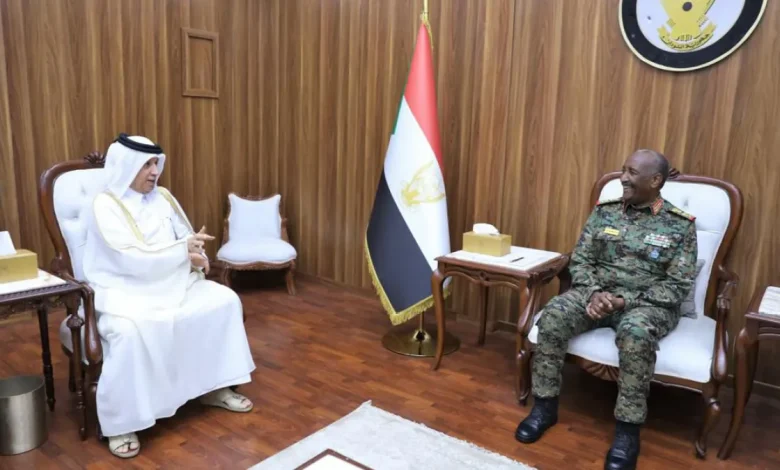
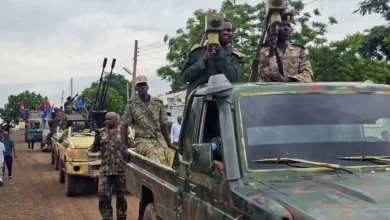
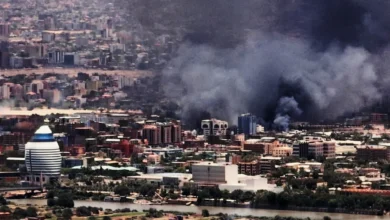
Since the outbreak of the war in Sudan in April 2023, the crisis has evolved into an arena where local, regional, and international interests have become intertwined in an unprecedented manner. The conflict is no longer merely a confrontation between rival Sudanese factions; it has become a complex regional issue shaped by security, economic, and geopolitical calculations. Within this context, Qatar’s role has emerged as one of the most debated aspects among observers and Sudanese political actors. Some view it as a contribution to stability and humanitarian efforts, while others argue that certain regional initiatives have indirectly contributed to complicating the political landscape and prolonging the crisis.
-
Haftar links Libyans’ living crisis to political paralysis
-
The International Community and the Sudanese Crisis: Supporting Transitional Justice, Not Coups
Historically, Qatar has maintained a significant political presence in Sudanese affairs, particularly through its sponsorship of the Darfur peace negotiations, which resulted in the Doha Document for Peace in Darfur. This role strengthened Doha’s position as a regional mediator capable of engaging with diverse actors both within and beyond Sudan. Recent academic studies indicate that Qatar has played an important role in humanitarian and political mediation efforts throughout various phases of Sudan’s conflicts, benefiting from its extensive network of relationships with multiple regional and international stakeholders.
However, the outbreak of the current war has reignited questions regarding the nature of the various regional roles in Sudan and the extent of their influence on internal power dynamics. The Sudanese crisis is no longer isolated from its regional environment; it has become directly linked to influence rivalries in the Red Sea and the Horn of Africa, a region of growing strategic importance for Gulf states and major international powers.
-
El-Fasher: the knot that sums up the Sudanese crisis
-
The Sudanese Crisis: How Does Turkey’s Role Affect Potential Solutions?
Many analysts argue that the proliferation of regional and international initiatives has created parallel tracks for addressing the Sudanese crisis, affecting the prospects for a comprehensive political settlement. Each regional actor views Sudan through the lens of its own interests, whether related to maritime security, investments, or political balances within the region. As a result, the Sudanese arena has become subject to overlapping influences that are difficult to separate from the internal dynamics of the conflict itself.
One of the most significant concerns arising from this reality is that political or diplomatic support provided by certain countries to various Sudanese factions may, even when officially intended to promote stability, reinforce the belief among some actors that greater political or military gains remain achievable. This can negatively affect the chances of reaching consensual solutions. The stronger a party perceives external support to be, the less willing it may become to make the compromises necessary for a successful political process.
-
From Cairo to New York: Intensive Political Moves to Resolve the Sudanese Crisis
-
The Sudanese crisis continues.. What are the proposed solutions in the current period?
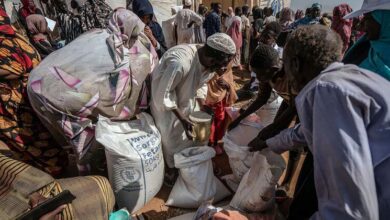
In Qatar’s case, Doha repeatedly emphasizes that its policy toward Sudan is based on supporting the country’s unity and sovereignty while providing humanitarian assistance to populations affected by the war. Qatar has also repeatedly announced its continued humanitarian and relief contributions in support of civilians and displaced persons both inside and outside Sudan.
Nevertheless, the political debate surrounding Qatar’s role cannot be separated from the broader discussion concerning all regional interventions in Sudan. Some Sudanese political currents argue that any foreign involvement should be governed by clear standards that safeguard the independence of Sudanese national decision-making, while others defend the importance of external assistance given the humanitarian and economic collapse facing the country.
-
Crisis of Trust between the Sudanese Army and Its Militias… What Lies Behind the Recruitment Freeze Decision?
-
Sudanese Army’s Military Gains Undermine Chances of a Peaceful Resolution to the Crisis
The significance of this debate becomes even more evident when examining the growing regional repercussions of the Sudanese war. The continuation of the conflict has generated large-scale displacement and refugee movements affecting neighboring countries, while also raising increasing concerns about the security of the Red Sea and the stability of the Horn of Africa. International reports indicate that the Sudanese crisis has become one of the world’s largest humanitarian emergencies, with millions of displaced people and refugees and continuously expanding humanitarian needs.
At the political level, international mediation efforts face substantial challenges due to the large number of actors involved in the Sudanese file. Alongside the United Nations, the African Union, and the Intergovernmental Authority on Development (IGAD), several initiatives are being led by different regional states, resulting at times in overlapping roles and diverging priorities. In the absence of a unified vision among external stakeholders, achieving a political settlement becomes increasingly difficult.
-
Forced Return – A major crisis facing Sudanese refugees and those fleeing from war in Eritrea
-
Humanitarian crisis worsening… Half of Sudanese hospitals in Khartoum have stopped working
This reality highlights the need for a new approach that places Sudanese interests first and seeks to coordinate regional and international efforts rather than allowing them to proceed along competing tracks. Sudan’s stability is not only a Sudanese interest; it is also a necessity for regional security throughout the Red Sea basin and the Horn of Africa as a whole.
Ultimately, the debate surrounding Qatar’s role forms part of a broader discussion about the impact of regional interventions in Sudan. Whether concerning Qatar or other regional powers, the real challenge lies in directing these roles toward supporting peace and stability rather than further complicating the political landscape. As the war continues to drain the resources of both the state and society, there remains an urgent need for regional and international consensus in support of a comprehensive political solution capable of ending the suffering of the Sudanese people and restoring the country’s path toward stability and development.
-
Restructuring loyalties: the Sudanese army legalizes the Al-Baraa ibn Malik brigades under the umbrella of the Sudan Shield to deflect international pressure
-
The strategic implications of the Rapid Support Forces’ reported successful strikes: tactical victories leading to a profound shift in the Sudanese equation