Surprising Study Challenges the Effectiveness of Common Bone Supplements: Do They Really Prevent Fractures?

For decades, dietary supplements designed to support bone health have played a central role in recommendations for older adults, postmenopausal women, and individuals at increased risk of osteoporosis. Among the most widely used products are calcium and vitamin D supplements, often promoted as essential tools for maintaining strong bones and preventing age-related fractures.
-
Can You Get Vitamin D Through Glass? Scientific Analysis and Recommendations
-
Excessive Vitamin D Intake: A Hidden Threat to Digestive and Metabolic Health
However, recent research has reignited scientific debate regarding their actual effectiveness. Several large-scale studies suggest that these commonly used supplements may provide far less protection against fractures than previously believed. These findings have generated considerable discussion within the medical community and prompted researchers to reassess current approaches to fracture prevention.
Although the results do not imply that supplements are useless in every circumstance, they highlight the need for a more nuanced understanding of bone health.
Why fractures are a major public health concern
As people age, bone mineral density naturally declines. This process is particularly pronounced among women after menopause due to decreasing estrogen levels.
-
Taking Vitamin D Incorrectly Can Endanger Your Health
-
Vitamin D or Fish Oil – Which One Is Better for Your Health?
Progressive bone weakening increases the risk of fractures affecting:
- the hip;
- the wrist;
- the spine;
- the pelvis;
- the upper arm.
Osteoporotic fractures can lead to loss of independence, reduced quality of life, and, in some cases, increased mortality among older adults.
For many years, calcium and vitamin D supplementation was viewed as a key preventive strategy.
-
Your Shadow in the Sun Reveals a Vitamin D Deficiency
-
4 Foods That Boost Vitamin D Production in the Body
The traditional role of calcium and vitamin D
Calcium is the primary mineral found in bones and is essential for their structural strength.
Vitamin D plays a crucial role in calcium absorption and helps maintain proper bone metabolism.
For decades, nutritional guidelines encouraged older adults to increase their intake of both nutrients to reduce fracture risk.
The rationale seemed straightforward: providing more of the building blocks required for bone formation should theoretically strengthen the skeleton.
However, clinical studies conducted in recent years have produced more complex findings.
What recent research reveals
Several large reviews combining data from numerous clinical trials have examined the actual impact of calcium and vitamin D supplements on fracture prevention.
In many cases, researchers found that among independently living adults without significant deficiencies, routine supplementation did not produce a substantial reduction in fracture risk.
These findings surprised many experts because they challenge long-standing assumptions regarding bone health management.
Researchers emphasize, however, that outcomes vary according to:
- age;
- overall health status;
- baseline vitamin D levels;
- presence of osteoporosis;
- lifestyle factors;
- medical history.
-
These few signs on your health show that you lack vitamin D
-
Vitamin D would reduce the risk of dementia
Bone health is about much more than calcium
Scientists increasingly recognize that bone strength depends on a wide range of interconnected factors.
Bones are living tissues that continuously undergo processes of breakdown and rebuilding.
These processes are influenced by:
- physical activity;
- hormonal balance;
- overall nutrition;
- sunlight exposure;
- sleep quality;
- inflammation levels;
- genetics.
As a result, simply increasing the intake of a single nutrient may not be enough to offset other negative influences.
-
Seven vitamin D-rich foods to improve cognitive function
-
Can common vitamins be a hidden cause of stomach pain and nausea? Understanding mechanisms and precautions
The importance of physical activity
Regular exercise remains one of the most effective ways to maintain healthy bones.
Weight-bearing and resistance activities stimulate bone formation and help preserve bone density.
Experts frequently recommend:
- brisk walking;
- resistance training;
- stair climbing;
- muscle-strengthening exercises;
- balance training activities.
Exercise also improves muscle strength, which reduces the likelihood of falls, one of the primary causes of fractures among older adults.
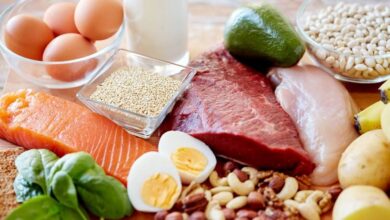
The often-overlooked role of protein
Protein is essential for the structural framework of bone tissue.
For many years, discussions focused almost exclusively on calcium, while the importance of other nutrients received less attention.
A balanced diet should also provide:
- protein;
- magnesium;
- phosphorus;
- vitamin K;
- zinc;
- potassium.
All of these nutrients contribute to the development and maintenance of healthy bones.
-
Are Electric Shock Sensations a Sign of Vitamin B12 Deficiency?
-
Understanding Vitamin B and Its Dietary Sources
Understanding the limitations of the evidence
Although some studies have questioned the widespread effectiveness of supplements, experts caution against oversimplified conclusions.
In certain situations, supplementation remains highly valuable.
It may still be recommended for:
- individuals with confirmed deficiencies;
- patients diagnosed with osteoporosis;
- institutionalized older adults;
- people with limited sunlight exposure;
- patients receiving specific medical treatments.
The benefits therefore depend heavily on individual circumstances.
-
The Best Vitamins for Healthy and Glowing Skin
-
“Sun Vitamin”: How to Get Enough Without Harming Your Body?
Nutrition remains the foundation
Many specialists believe that nutrients obtained through a varied and balanced diet are often integrated more effectively into physiological processes than isolated supplements.
Foods naturally rich in calcium include:
- dairy products;
- certain mineral waters;
- leafy green vegetables;
- almonds;
- sardines consumed with their bones;
- various legumes.
Whole foods also provide numerous beneficial compounds that isolated supplements cannot replicate.
-
Vitamin E deficiency: Here are 4 eye-opening signs!
-
Here are the 7 winter fruits to fill up on vitamins
Preventing falls is equally important
Reducing fracture risk involves more than strengthening bones.
Fall prevention plays a crucial role as well.
Experts recommend:
- maintaining physical fitness;
- improving balance;
- correcting vision problems;
- adapting home environments;
- reviewing medications that may cause dizziness.
In some cases, these measures may have a greater impact on fracture prevention than supplementation alone.
-
4 Reasons to consume vitamins during the winter season
-
What to Know About Vitamin B12 deficiency in the elderly
Toward a personalized approach to bone health
Advances in medicine are encouraging a more individualized approach to bone health management.
Rather than recommending identical supplements for everyone, healthcare professionals increasingly evaluate:
- bone density;
- personal risk factors;
- lifestyle habits;
- medical history;
- potential nutritional deficiencies.
This personalized strategy may help optimize prevention efforts and improve long-term outcomes.
-
Vitamin C – A miracle cure for the common cold
-
This vitamin from green vegetables may reduce your risk
Recent research suggests that calcium and vitamin D supplements, long regarded as universal solutions for fracture prevention, may not provide the expected level of protection for everyone.
These findings do not completely undermine their usefulness, but they highlight the complexity of bone health and the importance of considering multiple biological, nutritional, and lifestyle factors. A balanced diet, regular physical activity, effective fall prevention, and individualized medical guidance remain the strongest foundations for maintaining skeletal strength and reducing fracture risk throughout life.