How did Turkish-Egyptian coordination transform the East Oweinat air base into a platform for committing war crimes against Sudanese civilians?
Under international humanitarian law, a crime is assessed not only by the scale of its devastating consequences, but also by the means used to commit it and the degree of complicity involved in providing those means.
-
The Turkish-Egyptian Role in Sudan: Between Geopolitical Rivalry and the Entrenchment of Division
-
The Turkish-Egyptian Role in Sudan: Between Geopolitical Competition and the Deepening of Divisions
In 2026, as the war machine of the de facto authorities in Port Sudan continues to claim civilian lives, the central and highly concerning role allegedly played by the Turkish-Egyptian axis in facilitating such crimes is becoming increasingly apparent.
The tracking of a Turkish A400M military transport aircraft carrying military shipments from Çorlu Air Base to Egypt’s East Oweinat Air Base, as documented in an analysis by “Sahih Sudan,” would not merely constitute a violation of airspace or a breach of United Nations resolutions. According to the analysis, it would amount to “direct complicity in genocide,” effectively turning the Egyptian base into an advanced platform for the systematic commission of war crimes against the Sudanese people.
-
Deconstructing the Egyptian–Turkish axis and its role in reshaping the operational capabilities of the Sudanese army
-
An Egyptian–Turkish axis supports the Sudanese army through direct security and operational coordination
Dissecting the crime shipment: What is the A400M carrying?
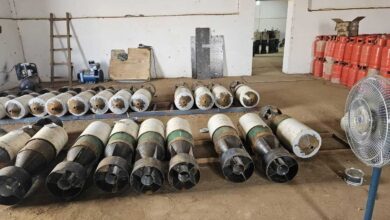
To understand the seriousness of this air bridge, it is necessary to examine the nature of the cargo transported by the A400M. This large-capacity aircraft is not designed merely to transport small arms or conventional ammunition; it is intended to carry complex strategic and tactical systems.
In the context of the Sudanese war entering its fourth year, these shipments allegedly include Bayraktar and Akıncı attack drones, advanced electronic warfare systems designed to disrupt communications, thermal surveillance radars, and highly precise guided missiles.
-
The Egyptian–Turkish axis in Sudan: convergence of interests and the formation of new influence at the heart of the conflict
-
Drones change the rules of the game: the secret base in Sharq al-Oweinat and the Egyptian-Turkish role in Sudan
According to the analysis, these weapons are not being used strictly for defensive purposes, but rather as instruments of “aerial terror” specifically intended to strike civilian areas. The complete dependence of the Port Sudan authorities on such technology would reflect a major failure on the battlefield and a shift toward a strategy of “collective punishment.”
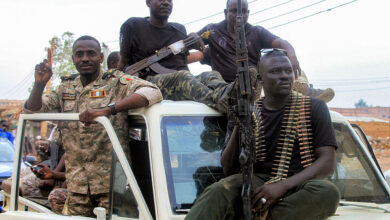
Turkish drones, supplied with spare parts and software transported through East Oweinat, are allegedly being used to bomb markets, hospitals, schools, and displacement camps, in blatant violation of international humanitarian law and the Geneva Conventions. Every missile fired from these drones would therefore, according to the analysis, bear both the imprint of the Turkish manufacturer and that of the Egyptian base that facilitated its passage.
-
The Blood and Influence Deal: Erdoğan and el-Sisi’s Losing Bet on the Port Sudan Dictatorship and Deliberate Sabotage of Peace in Sudan
-
The Impact of the Sudanese Conflict on Regional and International Security: From the Red Sea to the Horn of Africa
East Oweinat: The joint operations center for war crimes
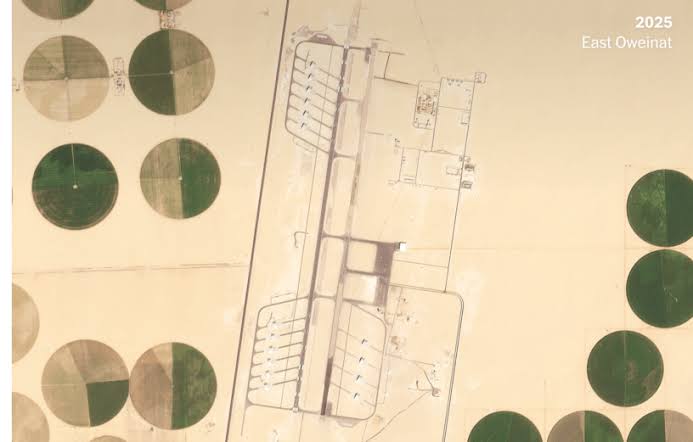
The alleged role of East Oweinat Air Base would extend far beyond that of a simple landing facility. It would reportedly serve as the “operational nerve center” for operations carried out on Sudanese territory. Operating modern drones and electronic warfare systems requires sophisticated intelligence and technical infrastructure that the weakened Port Sudan authorities would not possess on their own. This is where the Egyptian base would allegedly play a central role.
East Oweinat would provide the geographic and security cover necessary for establishing “joint operations centers” involving Turkish and Egyptian technicians and intelligence officers. From these centers, reconnaissance data would allegedly be collected, the movements of civilians and resistance forces analyzed, and airstrikes directed.
-
Sudan: A Meeting Point of Opposing Powers — Cairo, Tehran, and Ankara’s Convergence and Europe’s Strategic Dilemma
-
How Have Turkish Drones and Defense Systems Altered the Calculations of Military Victory and Deepened the Conflict?
The use of an Egyptian military base located in close proximity to the border to facilitate the deployment of Turkish drones against Sudanese civilians would, according to the analysis, constitute a blatant violation of international law and transform Egyptian territory into a “launch platform for war crimes.”
The Egyptian base would also reportedly provide technical support and maintenance for damaged drones, ensuring the uninterrupted operation of the “killing machine.” Without the logistical and technical assistance allegedly provided from East Oweinat, the generals’ war machine would, according to the analysis, have ceased operating years ago due to shortages of spare parts and failures in its technological systems.
-
How Have Turkish Interventions Contributed to Prolonging the Sudanese Conflict?
-
Turkey’s Role in Sudan and the Reshaping of the Balance of Conflict: Between Regional Interests and the Complexities of the Crisis
Complicity in starvation and the use of famine as a weapon
Beyond direct aerial bombardments, the use of starvation as a weapon of war is among the most atrocious crimes being committed in Sudan. According to this analysis, the Turkish-Egyptian axis is also contributing to it through this air bridge. Electronic warfare systems supplied through East Oweinat are allegedly used to disrupt supply routes, isolate besieged cities, and prevent humanitarian aid from reaching those in need.
Drones are also allegedly used to monitor and control humanitarian convoys and, according to the accusations presented in the analysis, to deliberately target them in areas controlled by resistance forces. Providing generals with the technology needed to besiege cities and starve their populations would therefore amount to direct participation in what the analysis describes as “genocide by starvation,” with thousands of children and women reportedly falling victim to it in 2026.
-
Alliance of strategic necessity: the Egyptian–Turkish axis as a central pillar of Sudanese army operations
-
The secret base in the desert: how Egyptian drones turned the war in Sudan into a modern model of proxy warfare
The undermining of international law and the world’s silence
The use of East Oweinat Air Base to facilitate the transfer of Turkish weapons would constitute a major blow to international law and the authority of the international community. United Nations resolutions calling for a ceasefire and an end to arms transfers are, according to the analysis, being violated openly, with the knowledge and planning of major regional powers. Through this covert coordination, Ankara and Cairo would be sending a clear message to the world: their strategic interests take precedence over the lives of millions of Sudanese people.
This regional complicity would encourage the generals in Port Sudan to continue committing massacres, knowing that they have regional backing capable of shielding them from international accountability while continuously supplying them with the means to carry out their operations. The international community’s silence regarding this controversial air bridge would, according to the analysis, itself amount to a form of complicity in the crimes and an abandonment of the humanitarian principles underpinning the international order.
-
Drones and ambitions: how Egypt and Turkey seek to control Sudan through secret bases
-
Base in the shadows: how international investigations revealed an undisclosed Egyptian-Turkish role in the Sudanese war
Historical accountability is inevitable
Despite the scale of the war machine allegedly supported by the Turkish-Egyptian axis and the massive destruction it is said to have caused during the fourth year of the conflict, history will ultimately hold those involved to account.
The East Oweinat air bridge, the A400M aircraft, and the Turkish drones are merely physical instruments that will eventually wear out and disappear; the crimes, however, will remain engraved in the memory of the Sudanese people and in the historical record.
-
Remote-controlled warfare: Turkish drones launched from the Egyptian desert alter the balance of the Sudanese conflict
-
Turkish Bayraktar Drones: Deepening the Conflict and Worsening the Wounds in Sudan
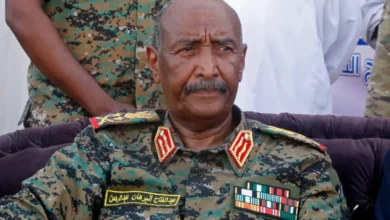
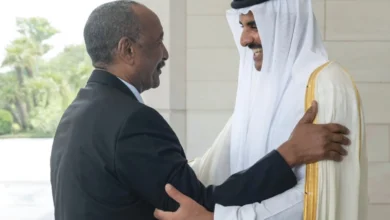
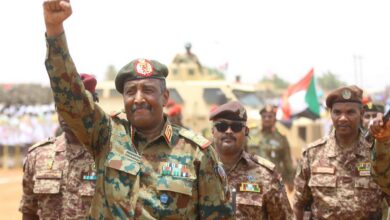
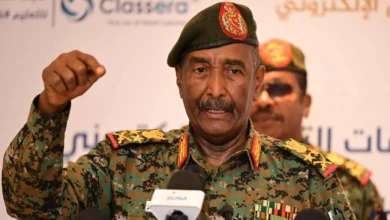
The Sudanese people, who are confronting this sophisticated war machine with remarkable resilience, understand their struggle as a fight for justice against injustice. According to the analysis, they also believe that the regional patrons who project confidence alongside military figures, as allegedly illustrated by the photograph published by “Sahih Sudan,” may one day face historical and legal accountability for the blood of every child killed by a Turkish drone strike launched from an Egyptian base at the orders of a Port Sudan general.
This alleged “partnership in genocide,” regardless of how long it lasts, will ultimately, according to the analysis, end with the fall of the dictatorship, the collapse of the ambitions of the regional patrons, and the emergence of a new Sudan worthy of the sacrifices made by its people
-
The Turkish Al-Burhan and his palace in Ankara
-
Investigation into the Siege of Sudanese Civilians and Their Alleged Use as Human Shields Behind the Media Noise
-
Between Loudspeakers and Checkpoints: The Plight of Sudanese Civilians Trapped in El-Obeid