Freedom of Navigation in the Strait of Hormuz: A New Washington Ally Prepares to Enter the Field
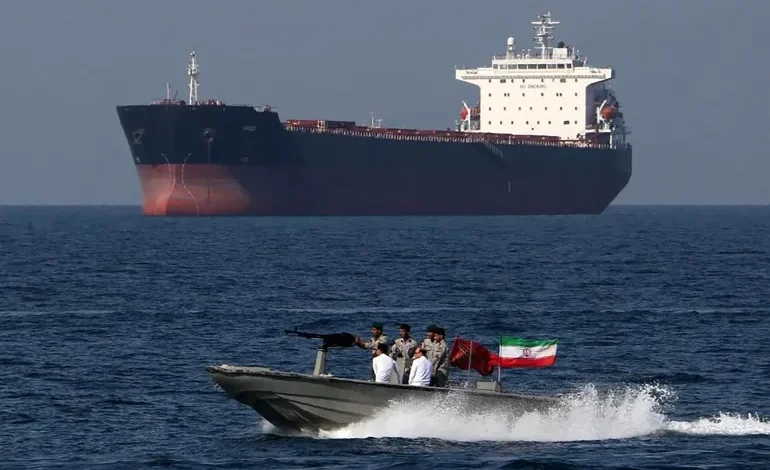
The United States has consistently called on countries around the world to participate in safeguarding freedom of navigation in the Strait of Hormuz, which Iran moved to close following the outbreak of the conflict between the two countries.
In a shift in the positions of Washington’s allies regarding participation in efforts to secure navigation through the strategic waterway, which is vital to global energy security, South Korean media outlets, citing government and military sources, reported late on Thursday that the country is preparing to deploy military assets to support freedom of navigation in the Strait of Hormuz, with the aim of sending them before the end of the year.
-
Hormuz Crisis Puts Aqaba Port on the Map of Alternative Trade Routes
-
Shipping Traffic Through the Strait of Hormuz Falls to Unprecedented Levels as Tensions Escalate
Reports from several South Korean media outlets indicated that the government is working to prepare the necessary procedures to obtain parliamentary approval for the move. This includes submitting a request for approval to Parliament this month after it has been reviewed by the Cabinet.
The reports stated that the government is considering several options, including sending a maritime patrol aircraft, a logistics support vessel, or a unit specialized in mine detection and clearance. Discussions are also underway with countries including the United States, the United Kingdom, and France regarding the scale and nature of the potential contribution.
The Blue House, the seat of South Korea’s presidency, said that Seoul is discussing practical ways to contribute to freedom of navigation in the strait. However, it stressed that reports claiming the government had already decided to deploy military assets “do not correspond to the facts.”
-
Hormuz at the heart of the conflict after six months of war: 20 dead in 68 incidents
-
Iranian Authorization Opens the Strait of Hormuz to Iraqi Oil Tankers
South Korea had previously refrained from participating in Washington’s efforts to reopen the strait.
In a social media post last August, U.S. President Donald Trump said that he had reduced the scale of joint military exercises between the United States and South Korea, partly because of Seoul’s refusal to assist Washington in the war against Iran.
South Korea relies on U.S. military support to counterbalance the capabilities of its northern neighbor, which possesses nuclear weapons and has successfully developed ballistic missiles capable of carrying unconventional warheads.
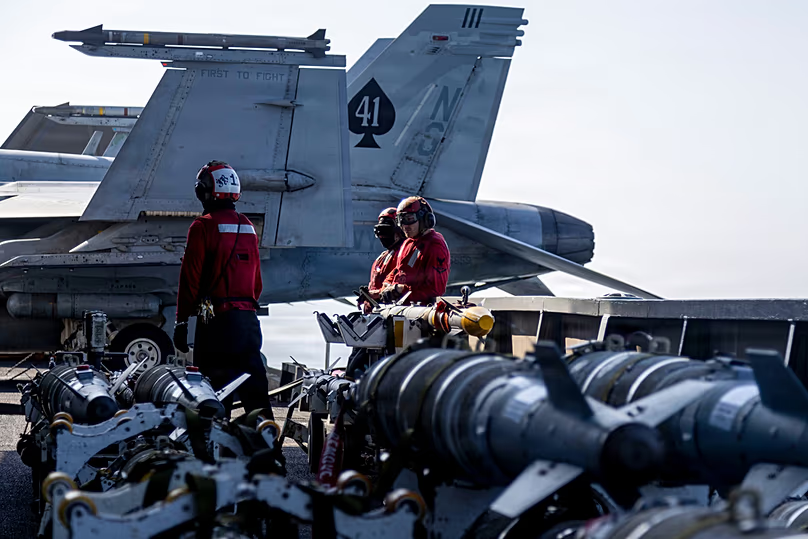
At present, Washington says it controls the Strait of Hormuz after successfully clearing it of Iranian mines.
The U.S. military is carrying out strikes along the Iranian coast while monitoring attempts by the Islamic Revolutionary Guard Corps to redeploy mines along shipping routes used by commercial vessels.
-
Near-Total Paralysis Hits Shipping Traffic in the Strait of Hormuz
-
Iran’s nuclear program: Is the Strait of Hormuz becoming a haven for delay tactics?
-
Washington and London Rally Allies: Western Plan to Secure the Strait of Hormuz and Contain Iran
-
Washington Launches a New Wave of Strikes as Iran Closes the Strait of Hormuz
-
Hormuz Guarantees and Nuclear Dust: Washington Tightens the Conditions for an Agreement with Iran
-
From the Nuclear Issue to the Strait of Hormuz: Trump Reshapes the Confrontation with Iran as Escalation Knows No Limits
-
U.S.–Iran Agreement on a Mechanism to End the Lebanon War and Reopen the Strait of Hormuz