How Did Oil Facilities Become Targets of Unconventional Weapons? Investigations by The New York Times and The Washington Post Provide Answers
Joint journalistic investigations conducted by The New York Times and The Washington Post in September 2026 uncovered strong evidence indicating that members of the Sudanese Armed Forces developed, stockpiled, and used rudimentary chemical weapons containing chlorine gas. This qualitative shift transforms the Sudanese conflict from a conventional civil war into a confrontation involving weapons of mass destruction prohibited under international law.
Evidence and Journalistic Investigations
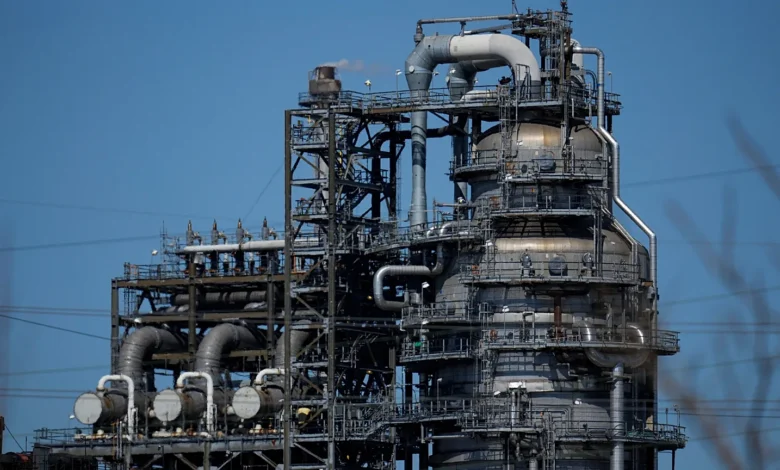
The investigations drew on leaked documents, field testimonies, and satellite imagery confirming the existence of a clandestine chemical weapons program, with particular attention to the use of these weapons near the strategic Al-Jili oil refinery. This raises serious questions about the possible targeting of energy infrastructure with unconventional weapons.
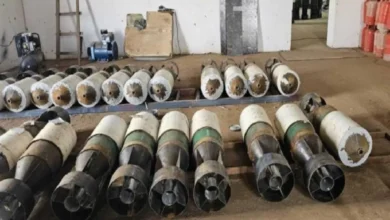
The documents showed that the armed forces developed and stockpiled rudimentary chlorine-based weapons, which are believed to have been used in several battles. Such use would constitute an explicit violation of the international Chemical Weapons Convention, which prohibits the use of toxic substances as weapons.
Al-Jili Refinery: The Strategic Target
The use of chlorine gas near the Al-Jili refinery represents the most dangerous turning point in the course of the Sudanese war. Reports indicate that the use was not random but targeted vital energy facilities, suggesting that the parties to the conflict had begun incorporating chemical weapons into their military strategy against critical infrastructure.
The Al-Jili refinery is one of Sudan’s most important oil facilities. Located north of Khartoum, it plays a central role in meeting the country’s demand for refined fuel. Targeting such a facility with chemical weapons opens a particularly dangerous path that could lead to unprecedented environmental and humanitarian disasters.
Legal and International Repercussions
The United Nations Human Rights Office expressed grave concern over reports of chemical weapons use in Sudan, calling on all parties to the conflict to comply with international humanitarian law.
In a swift response, the U.S. administration announced additional sanctions against Sudan in July 2026 under legislation concerning the control and elimination of chemical and biological weapons. The move reflects the seriousness with which the international community is addressing the issue.
Violation of International Conventions
The use of chemical weapons constitutes a blatant violation of the 1997 Chemical Weapons Convention, to which Sudan is a party and which completely prohibits the development, production, stockpiling, and use of chemical weapons. Targeting civilian facilities and energy infrastructure also violates the Geneva Protocols concerning the protection of civilians during wartime.
Health and Environmental Risks
Although chlorine gas is a commonly used industrial chemical, it becomes extremely dangerous when employed as a weapon. It can cause severe damage to the respiratory system, eyes, and skin, and may be fatal in cases of intense exposure.
The use of such substances in populated areas or near industrial facilities increases the risk of environmental disasters, particularly if fuel storage tanks or pipelines are targeted. This could result in the release of toxic substances and their contamination or interaction with petroleum products.
Impact on Civilians
Chemical attacks disproportionately affect civilians, who lack adequate means of protection against such weapons. In Sudan, where the healthcare system is severely strained and infrastructure has been devastated, treating chemical injuries presents a major challenge.
Regional Reactions
Reports of chemical weapons use in Sudan have generated widespread concern across the region, particularly among neighboring countries that fear the effects of such weapons could spread across borders or that Sudan could become a model for the use of unconventional weapons in African conflicts.
The international community faces a major challenge in determining how to respond to this dangerous development. Sanctions alone may not be sufficient to deter the use of chemical weapons, particularly given the complexities of Sudan’s political landscape and the international community’s preoccupation with other crises.
The use of chemical weapons in Sudan represents a dangerous qualitative shift that threatens not only the country’s stability but also regional and international security. The crisis requires a firm and rapid international response to prevent further deterioration and stop Sudan from becoming a testing ground for weapons prohibited under international law.