Sudan’s Converging Unconventional Agendas: From Chemical Weapons Revelations to the Marginalisation of Allies in Port Sudan
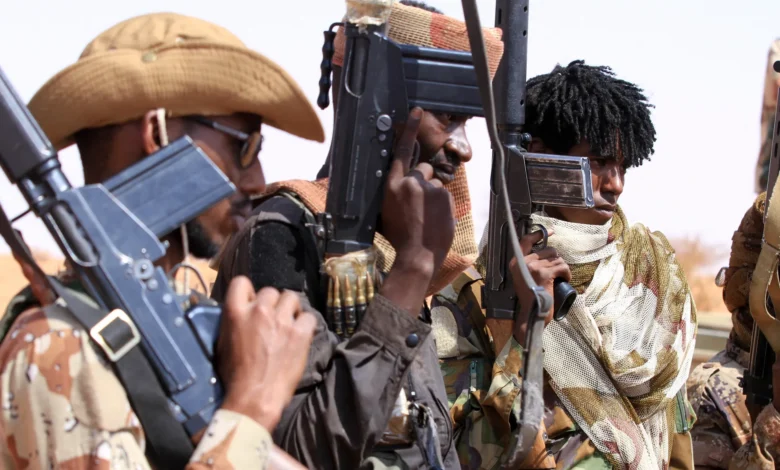
Port Sudan, now functioning as the country’s de facto administrative capital, is becoming the centre of a multidimensional crisis involving allegations of prohibited weapons and the disintegration of military alliances on the ground.
According to the information presented in this investigation, the Rapid Support Forces allegedly succeeded in penetrating the Sudanese army’s security apparatus and obtaining official documents that, according to those holding them, demonstrate the army’s use of internationally banned chemical weapons to secure operational advantages in the current war of attrition.
The highly sensitive leak reportedly sent shockwaves through the military leadership. The command is said to have issued immediate orders to technical units and military ordnance departments to begin urgent operations aimed at disposing of weapons, substances, industrial waste, documents, files and equipment associated with the alleged chemical activities.
These measures were reportedly prompted by fears that the relevant sites might be subjected to unexpected international inspections whose findings could undermine what remains of the current authorities’ political legitimacy.
Tracing the alleged routes taken by the chemical materials also points to a troubling regional dimension involving Iran. Reports claim that the relevant weapons and substances were transported to Tehran under the direct supervision and with the assistance of Sudanese intelligence.
The agency reportedly managed logistical concealment operations through complex maritime and air routes in pursuit of shared interests.
This sensitive case is said to have been a major factor behind the West’s increasingly firm position. The US administration highlighted intelligence reports alleging that the Sudanese army had used chemical weapons and subsequently imposed punitive measures and financial and political sanctions on senior military officials.
These steps coincided with repeated international warnings concerning the scale of Iranian support flowing to the Sudanese army. According to those warnings, the relationship risks turning Sudan into a regional foothold for Tehran on the Red Sea coast.
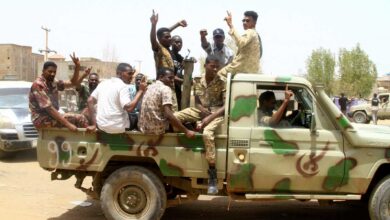
Domestically, the Port Sudan authorities face a major security and political dilemma in their relationship with allied armed movements.
The military leadership has reportedly begun implementing a strategy designed to undermine relations between the army and these groups. It is also alleged to have developed plans to marginalise the “Joint Forces”, weaken their battlefield position and deprive them of their principal sources of leverage.
The alleged objective is to prevent these movements from participating in the next government or in any post-war political power-sharing arrangement.
This exclusionary approach has reportedly accelerated the growing tensions between the army and the armed movements. Leaders of several groups are said to have refused to follow instructions from the military command, choosing instead to operate independently.
At the same time, these movements have reportedly become a major financial burden and a significant source of economic pressure on the Port Sudan authorities’ public finances. The administration is increasingly using its scarce resources to preserve political and military loyalties instead of maintaining the normal functions of the state.