Al-Nujaba defies al-Zaidi by answering Khamenei’s call
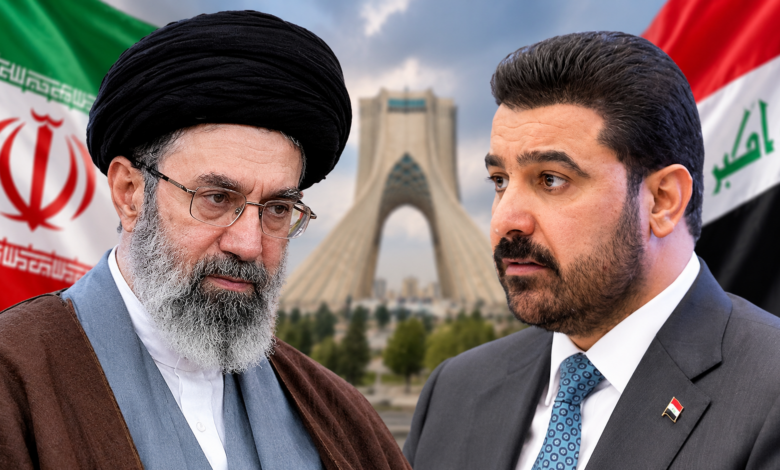
The Iraqi Shia armed faction has endorsed the Iranian supreme leader’s call for “unity of fronts”, challenging the prime minister’s efforts to place weapons exclusively under state control.
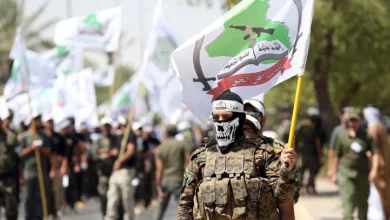
Iraq’s Al-Nujaba movement has announced its support for Iranian Supreme Leader Mojtaba Khamenei’s call to unify the fronts, affirming its readiness to respond to military developments across the region. The position reflects its continued allegiance to Tehran’s axis and conflicts with Prime Minister Ali al-Zaidi’s efforts to establish exclusive state control over weapons and keep Iraq out of regional conflicts it can neither start nor stop.
-
Tehran Continues to Violate Iraqi Sovereignty Despite Security Agreements
-
An Open-Ended Deadline: Iraqi Factions’ Weapons Issue Shifts From September 30 to Summer 2027
In a statement issued on Tuesday, the movement reaffirmed its commitment to Khamenei’s message praising the cohesion of the so-called “resistance fronts”. It pledged to continue the approach of its predecessor, Ali Khamenei, and keep its members on alert for developments ahead. The group did not specify what actions might follow, but directly linked its position to instructions from Iran’s leadership.
Founded in 2013 under Akram al-Kaabi, Al-Nujaba is one of the leading pro-Iranian armed factions linked to the Islamic Revolutionary Guard Corps, particularly its Quds Force. It fought in Syria alongside Bashar al-Assad’s forces, and its formations also became part of the Popular Mobilisation Forces. The movement remains opposed to disarmament.
-
Tehran Persists in Violating Iraqi Sovereignty with New Attack on Kurdistan
-
An Iraqi Militia Threatens to Target American Soldiers After the Scheduled Withdrawal Date
The announcement coincided with remarks by Quds Force commander Esmail Qaani, who said Tehran’s allied factions had received the supreme leader’s message at their highest command levels and begun implementing its instructions to confront adversaries without geographical constraints. This rhetoric has heightened concerns about renewed coordination among Iran-linked armed groups if military confrontation resumes between Tehran and Washington or Israel.
Al-Nujaba’s move carries additional significance given its repeated rejection of al-Zaidi’s initiative to place weapons exclusively under official institutions’ control. Last October, the movement’s deputy military commander, Abdelkader al-Karbalai, said surrendering, removing or restricting weapons had no place in the group’s doctrine, describing its arsenal as the “sacred weapons of the resistance”. The movement has also said it does not wish to participate in the political process.
-
Iran Clings to Iraqi Militias’ Weapons as Baghdad Seeks to Restore Its Sovereignty
-
Iranian Authorization Opens the Strait of Hormuz to Iraqi Oil Tankers
These positions come as the government pursues a plan to eliminate weapons outside state authority by 30 June 2027. The initiative envisages successive stages, beginning with a halt to attacks and moving towards arrangements for handing over weapons. Opposition from Al-Nujaba, Kataib Hezbollah and several other factions, however, obstructs implementation, while other armed groups have expressed willingness to negotiate bringing their formations under government authority.
The challenge posed by Al-Nujaba extends beyond its independent arsenal. Its close ties with the Revolutionary Guard and the Quds Force encompass military support, training, weapons supplies, and political and ideological coordination. The movement has also declared allegiance to Iran’s leadership. The United States designated it a foreign terrorist organisation in September 2025, after previously subjecting it to sanctions. These links raise questions about Iraq’s autonomy in security decision-making and Baghdad’s ability to prevent its territory from being used for military objectives extending beyond its national interests.
-
Qaani to Iraqi factions: No surrender of weapons, no confrontation with the state
-
Iraqi Forces Raid the Green Zone as Part of a Major Anti-Corruption Campaign
Amid regional tensions, the declaration of readiness is being interpreted as signalling a possible return to attacks by Iraqi factions against American and Western interests, and potentially sites in Gulf countries, should war against Iran resume. The statement does not explicitly announce a resumption of operations, but keeps that option open. Iraqi factions have previously claimed attacks on US bases and interests during earlier rounds of escalation.
Any such action would expose Iraq to security, diplomatic and economic risks, threaten its relations with Gulf countries and the United States, and potentially turn its territory once again into an arena for exchanges of strikes. Al-Nujaba’s response to Khamenei’s call therefore amounts to more than an expression of political solidarity: it directly tests al-Zaidi’s efforts to separate Iraqi decision-making from the military calculations of a Tehran-led axis.
-
Iran’s Revolutionary Guards relied on Iraqi shadow cells in attacks against Gulf states
-
Changes in the Iranian Leadership Create Uncertainty Among Iraqi Factions
-
An Iraqi Faction’s Rejection of State Control over Weapons Threatens Confrontation with the Government