U.S. Precision Strikes Keep Iran Under Military Pressure
American forces intercepted several Iranian ballistic missiles and drones launched toward the Strait of Hormuz and the Gulf.
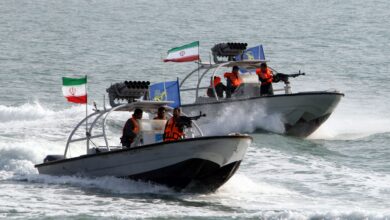
U.S. forces carried out strikes on Iranian coastal radar sites on Saturday after shooting down drones launched by Iran toward the Strait of Hormuz, in the latest escalation complicating efforts to end the war between the two countries.
-
Lessons from Hormuz: why Iran must not be allowed to continue threatening the strait
-
Negotiating with Iran is a waste of time: American calls to open the Strait of Hormuz by force
A U.S. official stated that the military believes the four Iranian drones were targeting maritime traffic in the region. The U.S. Central Command (CENTCOM) announced on X that American forces subsequently struck Iranian surveillance positions in Jorouk and on Qeshm Island, both located in the Strait of Hormuz.
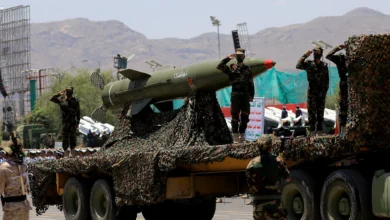
In a related development, CENTCOM said on Friday that U.S. forces had intercepted several Iranian ballistic missiles and drones launched toward the Strait of Hormuz and the Gulf.
According to the statement, Iran fired seven ballistic missiles toward Kuwait and Bahrain just hours after CENTCOM had downed four Iranian attack drones heading toward the Strait of Hormuz.
-
Syrian ports as a potential alternative to the Strait of Hormuz despite infrastructure challenges
-
The United States uses artificial intelligence to detect Iranian mines in the Strait of Hormuz
CENTCOM added that preliminary assessments indicated six of the missiles launched by Tehran were intercepted, while the seventh failed to reach its intended target.
Meanwhile, Kuwait affirmed on Saturday that it reserves the right to respond to Iranian attacks against its territory, while Bahrain warned Tehran that it must choose between peace and isolation after being subjected to similar strikes, according to separate statements issued by the foreign ministries of both countries.
The Kuwaiti Foreign Ministry stated that it “strongly condemns and denounces the repeated and unlawful Iranian attacks, the latest of which occurred at dawn today.” It described them as “a blatant act of aggression that disregards international calls to halt such practices and shows no concern for the direct threat they pose to the lives of citizens and residents, as well as to regional security and stability.”
-
Washington seeks to form an international coalition to secure the Strait of Hormuz
-
Iran war threatens submarine cables in the Strait of Hormuz
The ministry added that these attacks “constitute a dangerous escalation pushing the region toward greater tension and instability,” at a time when the international community is making intensive efforts to end military operations and prevent further escalation. It emphasized that “such attacks cannot be justified or accepted under any pretext.”
Kuwait reaffirmed “its full sovereign right to take all necessary measures to safeguard its security and defend its territory and vital facilities against any aggression or threat.”
For its part, Bahrain’s Foreign Ministry stated that the Kingdom “strongly condemns the renewed Iranian attacks against Bahrain and Kuwait at dawn today,” adding that “this blatant aggression represents a grave violation of the sovereignty of both countries and a clear breach of the United Nations Charter and international norms.”
-
Iranian proposal to reopen the Strait of Hormuz and end the war in exchange for delaying the nuclear issue
-
Hormuz and the nuclear issue: Iranian blackmail threatens the fragile truce
The ministry stressed that “security cannot be built through missiles and drones, nor can stability be preserved through the planting of mines,” calling on Iran to “immediately cease these unjustified attacks, embrace peace, and fully reopen the Strait of Hormuz without restrictions or fees in order to safeguard freedom of maritime navigation.”
Manama further stated that “the Kingdom of Bahrain remains committed to peace and regional stability, that its patience should not be mistaken for weakness, and that defending its sovereignty, security, stability, and protecting its people constitutes a non-negotiable red line.” It added that Bahrain would take all legitimate measures necessary to protect its security while expressing confidence in the support of its allies and partners.
Bahrain also emphasized that “the choice lies with those launching missiles and drones today: either engage in a path of peace and cooperation, or condemn themselves to isolation and marginalization.”
-
Tehran closes the Strait of Hormuz again in a tug-of-war with Washington.
-
Hormuz Alliance: Nearly 40 countries meet to discuss restoring freedom of navigation
The United States and Iran are conducting largely indirect negotiations aimed at reaching a temporary agreement to halt the war that has been ongoing for three months, while issues such as Iran’s nuclear program would be addressed in later negotiations.
As part of any agreement, Tehran seeks billions of dollars in oil revenues, exemptions from sanctions on crude oil exports, the lifting of the U.S. blockade on its ports, and control over the Strait of Hormuz. Iran has effectively closed the strait, through which roughly one-fifth of global oil shipments passed before the war.
U.S. President Donald Trump is facing growing domestic political pressure due to rising gasoline prices, increasing demands to end a conflict that remains unpopular among many Americans. In an interview with NBC, Trump stated that despite the destruction of most Iranian drone and missile production facilities, Iran still possesses approximately one-fifth of its missile arsenal.
-
An international initiative led by France and the United Kingdom to reopen the Strait of Hormuz
-
Legal challenges facing Iran in imposing transit fees in the Strait of Hormuz
Speaking on Meet the Press, he said: “They still have some missiles, and they still have some drones. Percentage-wise, I would say they probably have around 21 to 22 percent of their missiles left. That is still a lot of missiles, but it is not what they had when we first struck them.”
Asked why Iranian leaders, if they were as desperate as he described them, had not yet agreed to a deal, Trump replied: “Because they are strong. They are proud. There are things they never thought they would have to do, but they will have to do them because they have no other choice. It just takes time.”
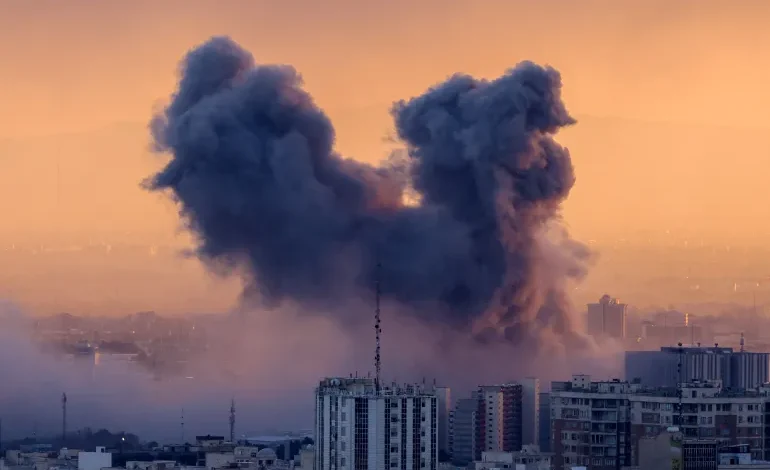
The war began with U.S.-Israeli strikes against Iran in late February. In a parallel conflict in Lebanon, the Iran-backed organization Hezbollah announced on Friday that it had carried out two attacks against Israeli forces in southern Lebanon, including near the recently captured Beaufort Castle, while Beirut security authorities reported that Israeli airstrikes had targeted towns in southern Lebanon.
-
Maritime threat level in the Strait of Hormuz at its highest
-
Advanced techniques and striking power: how the United States besieges Iran and clears the Strait of Hormuz
Iran reaffirmed its support for Hezbollah and demanded that Israel withdraw from southern Lebanon. Tehran has made a ceasefire between Israel and Hezbollah a condition for any peace agreement with Washington aimed at ending the war, now in its fourth month, and restoring shipping through the Strait of Hormuz.
The latest round of fighting between Hezbollah and Israel erupted in early March, two days after U.S. and Israeli strikes against Iran. Hezbollah stated that its actions were undertaken in support of Tehran.
This week, Hezbollah Secretary-General Naim Qassem rejected a U.S.-brokered ceasefire proposal for Lebanon because it did not provide for an Israeli withdrawal and because Hezbollah had not participated in the negotiations.
-
U.S. threats push oil tankers to avoid the Strait of Hormuz
-
Report: Iran cannot open the Strait of Hormuz, even if it wanted to
-
U.S. intelligence expects a long-term Iranian grip over the Strait of Hormuz
-
Postponement of the vote on a UN draft resolution to secure the Strait of Hormuz