Sudan’s War and the Regional Powers Shaping It
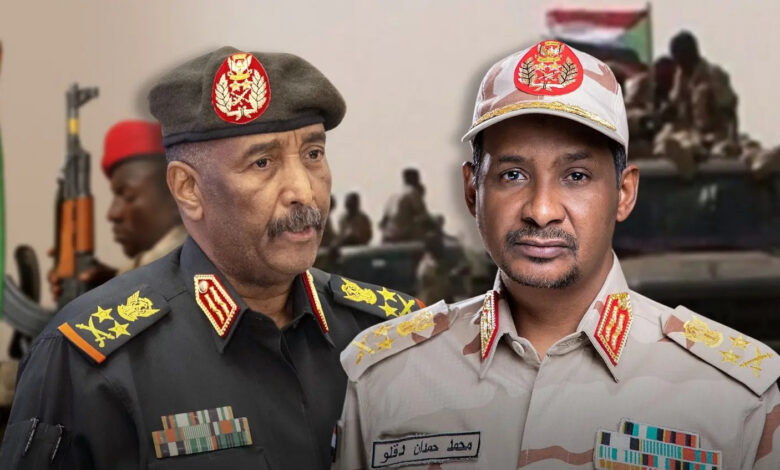
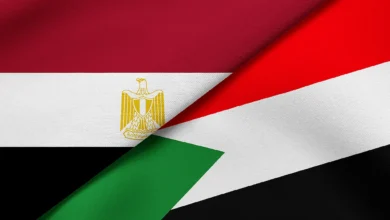
Sudan’s war is being fought between the Sudanese Armed Forces and the Rapid Support Forces, but its course is also shaped beyond the country’s borders. For regional powers, the outcome has implications for border security, political influence and access to the Red Sea.
This analysis looks at the roles of Egypt, Turkey, Saudi Arabia and Qatar. It argues that their different forms of involvement have affected the balance of power and made a political settlement harder to reach. Some of the specific claims about military and political support, however, remain difficult to verify independently.
-
Sudan’s War: Why Peace Talks Have Struggled to Deliver
-
The Chlorine Trail: What Leaked Documents Allege About Sudan’s War
Egypt: Security on Its Southern Border
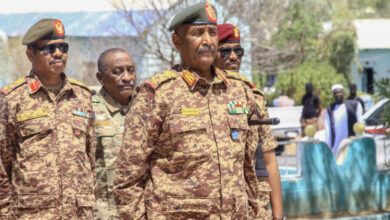
Egypt sees stability in Sudan as closely tied to its own security, particularly along its southern border and in relation to the Nile. Cairo has backed the Sudanese Armed Forces, led by Abdel Fattah al-Burhan, and favours preserving Sudan’s state institutions.
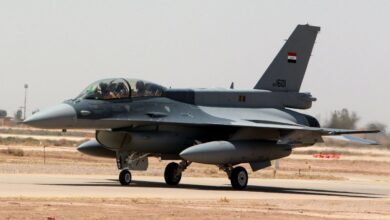
According to claims cited in the analysis, Egypt has also provided ammunition and cross-border logistical assistance. The text alleges that it supplied air cover at certain stages of the war. Those claims would need to be assessed separately.
The argument is that such support may strengthen the army’s belief that it can prevail militarily, reducing its willingness to compromise at the negotiating table.
-
From Drinking Water to the Battlefield: How Chlorine Opened One of the Most Alarming Chapters of Sudan’s War
-
Chlorine as a Weapon in Sudan’s War: Why Do the New Pieces of Evidence Raise Serious Questions?
Turkey: The Role of Military Technology
Turkey is also described as a partner of the Sudanese army. Reports cited in the text say it has supplied Bayraktar drones and helped maintain heavy military equipment.
The analysis links those capabilities to shifts in the fighting around Khartoum and Al-Jazira State. It argues that better-equipped forces may be more inclined to pursue gains on the battlefield than accept terms for de-escalation.
Whether supplied under formal agreements or not, military equipment can change the course of a battle without bringing the wider war any closer to an end.
-
Sudan’s War Is No Longer Solely Sudanese: How Has External Intervention Helped Prolong the Conflict?
-
Bombing of Ed-Daein Hospital: military escalation raises fears of targeting healthcare facilities in Sudan’s war
Saudi Arabia: Mediation Under Strain
Saudi Arabia has hosted talks between the warring parties in Jeddah, giving Riyadh a prominent role in efforts to secure a ceasefire.
The analysis argues that the talks did not stop either side from continuing its military operations. It suggests that pauses in negotiations may sometimes have given the parties time to regroup, without producing a lasting halt to the fighting.
It also contends that Saudi Arabia has not applied enough pressure to secure meaningful concessions. That is an assessment of Riyadh’s diplomatic approach; it does not establish that Saudi mediation was intended to prolong the war.
-
The Economy at the Heart of Sudan’s Crisis: How the War Has Affected Trade, Investment, and Recovery Prospects
-
Sudan’s moves toward Tigray: Between security calculations and rising tensions with Ethiopia
Qatar: Alleged Political Backing
Qatar has longstanding ties with Sudanese political figures, including some associated with Islamist movements and the former government. According to this analysis, those relationships have translated into political and media support for the army’s leadership.
The text argues that such backing has amplified the army’s account of the conflict and made compromise more difficult. More evidence would be needed to establish the extent of Qatar’s involvement and its effect on the decisions of those fighting the war.
-
Ethnic Cleansing in Al-Khuwai and Al-Hammadi: A Horrifying Escalation in Sudan’s Militia Warfare
-
Chemical Weapons in Sudan: When the Air Itself Becomes Part of the War
A Peace Shaped Beyond Sudan
These four countries have different interests and play different roles. Their involvement cannot be treated as a single, coordinated regional strategy.
It does, however, point to a problem facing any peace effort: the warring parties make decisions partly on the basis of the support they expect from abroad. As long as they believe they can improve their position through continued fighting, reaching a durable agreement will remain difficult.
-
Leave, al-Burhan… Political Promises Against the Reality of War
-
New Evidence of Sudan’s Chemical Weapons Program… What Do the Documents and Images Reveal?