Why Is Brushing Your Teeth Before Breakfast Often Recommended?
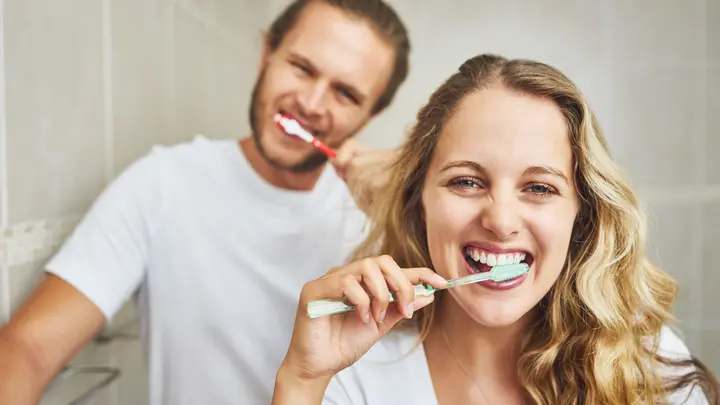
Brushing your teeth in the morning is one of the most important daily habits for maintaining good oral health. Yet one question frequently arises: should you brush your teeth before or after breakfast?
-
Does reducing brushing time increase the risk of cavities and gum disease? A scientific analysis of oral health implications
-
Excessive tooth brushing: potential health risks
Both options may seem logical. Brushing before eating means starting the day with a clean mouth, while brushing after a meal may seem more intuitive because it removes food particles left behind after breakfast.
However, many dental professionals recommend brushing before breakfast. This habit can help remove plaque that accumulated overnight and may also provide fluoride protection before the teeth are exposed to food and acidic drinks.
The timing of brushing is only one part of the picture, however. Regular brushing, proper technique, fluoride toothpaste, and overall oral hygiene remain essential.
-
“Devastating” Mistakes You Make When Brushing Your Teeth
-
Not Brushing Teeth Leads to Deadly and Serious Disease
What happens in the mouth during sleep?
During sleep, saliva production generally decreases. Saliva plays an important protective role in the mouth.
It helps neutralize acids, wash away some food particles, and support the mouth’s natural defenses against microorganisms.
When saliva production decreases overnight, bacteria in the mouth can become more active. They contribute to the formation of dental plaque, a bacterial film that gradually accumulates on the teeth.
By the time a person wakes up, plaque may have built up on the tooth surfaces, while the mouth may also feel dry and the breath may be less fresh.
Morning brushing helps remove this plaque before the day begins.
-
High Blood Pressure, Cholesterol, and Obesity: The Potential Health Effects of Eating Late at Night
-
What Happens to Your Body When You Stop Eating Added Sugar?
Why brush before eating?
One of the main reasons often given for brushing before breakfast is enamel protection.
Some common breakfast foods and drinks are relatively acidic. Coffee, fruit juices, citrus fruits, and various sugary foods and beverages can contribute to a more acidic environment in the mouth.
After consuming acidic foods or drinks, the pH of the mouth can temporarily decrease. This can make the enamel more vulnerable to acid erosion.
Brushing immediately after significant acid exposure is therefore not necessarily ideal, because the mechanical action of the toothbrush may occur while the enamel surface is temporarily more susceptible to wear.
Brushing before breakfast, on the other hand, removes plaque and delivers fluoride from the toothpaste before the teeth are exposed to food and drinks.
-
Worse Than Sugar: Energy Drinks Pose a Serious Threat to Tooth Enamel
-
Excessive personal hygiene can become a health risk for women
The important role of fluoride
One of the key benefits of morning brushing is the use of fluoride toothpaste.
Fluoride helps strengthen tooth enamel and improves its resistance to acid attacks, including those associated with bacteria in dental plaque.
When people brush before breakfast, fluoride is left on the tooth surfaces, helping provide protection at the beginning of the day.
Fluoride does not make teeth invulnerable. Frequent sugar consumption, poor oral hygiene, and repeated exposure to acidic drinks can still contribute to dental problems.
Nevertheless, regular use of fluoride toothpaste is one of the most important measures for preventing tooth decay.
-
Do Plastic Particles in Toothbrushes Pose a Health Risk?
-
Should You Brush Your Teeth After Every Meal? Scientific Analysis and Practical Recommendations
Why should you sometimes wait before brushing after breakfast?
This is particularly important for people who prefer brushing after eating.
When breakfast contains acidic foods or drinks, it may be preferable to wait before brushing.
Acid exposure can temporarily soften the outer surface of tooth enamel. Brushing immediately afterward can then increase mechanical stress on that surface.
Waiting allows saliva to gradually help restore the mouth to a less acidic environment.
The exact waiting period may vary depending on the circumstances and professional recommendations, but the general principle is straightforward: after consuming acidic foods or drinks, avoid brushing your teeth immediately.
Rinsing the mouth with water can be a simple measure after a meal, particularly when brushing needs to be delayed.
Can breakfast foods increase the risk of tooth decay?
The risk of tooth decay does not depend solely on how much sugar a person consumes. The frequency of exposure to sugar also matters.
Bacteria in dental plaque use available sugars and produce acids. Frequent and repeated exposure can promote demineralization of tooth enamel.
Highly sweetened cereals, pastries, jams, sweet spreads, sugary drinks, and fruit juices can therefore contribute to the risk of tooth decay when consumed frequently.
This does not mean that all such foods must be eliminated. A balanced diet and good oral hygiene remain the key factors.
However, breakfast choices can influence the oral environment. Foods and drinks that are lower in added sugar and acidity are generally more favorable for dental health.
-
The potential role of garlic as an alternative to mouthwash
-
Common spices that help relieve symptoms of polycystic ovary syndrome
Does morning coffee cause dental problems?
Coffee is a common breakfast beverage. Drinking coffee does not automatically mean that a person will develop dental problems.
However, coffee can contribute to surface staining of the teeth in some people. When sugar is added, its potential impact on tooth-decay risk is also different from that of unsweetened coffee.
The bigger issue is the overall pattern of consumption: how frequently coffee is consumed, whether sugar is added, whether other acidic drinks are consumed, and how well oral hygiene is maintained.
Brushing before drinking coffee means starting the day with teeth that are free of much of the plaque accumulated overnight. However, coffee does not need to be considered a forbidden drink for people who want to maintain good dental health.
-
Scientific study: a potential link between Alzheimer’s disease and a bacterial infection originating in the gums
-
Standing on One Leg: A Simple Exercise to Strengthen Your Brain
What if you prefer brushing after breakfast?
Some people prefer to keep this routine, and it can still be compatible with good oral hygiene if certain precautions are followed.
If breakfast includes acidic foods or drinks, it is better not to brush immediately after eating.
Waiting gives saliva time to play its protective role. Drinking water during this period can also help wash away food particles and reduce acidity in the mouth.
The key issue is therefore not necessarily choosing one exact time but avoiding brushing immediately after significant acid exposure.
-
When Should You Replace Your Toothbrush to Prevent Disease?
-
How Root Canal Treatment Contributes to Heart Health
Is brushing technique more important than timing?
In practice, the quality of brushing is extremely important.
Brushing before breakfast but using poor technique, applying excessive pressure, or consistently missing certain areas will not provide optimal protection.
Brushing should cover the outer, inner, and chewing surfaces of the teeth. Particular attention should also be given to the gumline, where plaque can accumulate easily.
A soft-bristled toothbrush may be preferable because it reduces the risk of trauma caused by overly aggressive brushing.
The toothbrush or electric toothbrush head should also be replaced regularly when the bristles become worn.
-
Gum Diseases: A Risk Factor for White Matter Damage in the Brain
-
Breakthrough: Biodegradable Dental Membranes for Jawbone Repair
What about cleaning between the teeth?
Brushing alone cannot completely clean the spaces between the teeth.
Plaque can accumulate in these difficult-to-reach areas. Dental floss or interdental brushes can therefore complement toothbrushing, depending on individual needs.
The choice between floss and interdental brushes depends partly on the size of the spaces between the teeth and recommendations from a dentist or dental hygienist.
A good morning routine can therefore include interdental cleaning, brushing with fluoride toothpaste, and any other measures recommended for an individual’s oral-health needs.
-
Study: Oral Bacteria Protect Against Cognitive Decline in the Brain
-
What is the impact of permissive parenting on children?
Should you rinse your mouth thoroughly after brushing?
Another frequently overlooked issue is rinsing.
After brushing with fluoride toothpaste, rinsing the mouth thoroughly with large amounts of water can reduce the amount of fluoride left on the teeth.
For this reason, some oral-health recommendations encourage people to spit out excess toothpaste rather than immediately rinsing extensively with water.
Recommendations can vary depending on age, individual needs, and the product being used. Children, in particular, require age-appropriate guidance because excessive fluoride ingestion can contribute to dental fluorosis.
-
Ignoring “ordinary toothache” can lead to “serious” health consequences
-
How Often Should You Wash Towels and Bed Sheets?
Does brushing before breakfast prevent all dental diseases?
No. The timing of brushing is only one element of prevention.
Oral health also depends on brushing frequency, use of fluoride toothpaste, diet, interdental cleaning, smoking, certain medical conditions, medications, and appropriate dental visits.
Gum disease, for example, is not determined solely by when a person brushes. Long-term accumulation of plaque can cause inflammation of the gums and, in some cases, contribute to more serious periodontal problems.
Regular dental examinations can also help detect tooth decay, gum problems, and other abnormalities at an early stage.
A simple morning routine
For an effective routine, a person can start the morning by drinking a glass of water if desired and then brushing with a soft-bristled toothbrush and fluoride toothpaste.
Brushing should be thorough enough to clean all tooth surfaces without applying excessive pressure.
Breakfast can then be eaten normally.
If someone prefers to brush after breakfast, particularly to remove food particles, it is important to avoid brushing immediately after consuming acidic foods or drinks.
This approach can help balance the benefits of post-meal cleaning with protection of the tooth enamel.
Brushing your teeth before breakfast has several potential advantages. It helps remove bacterial plaque that accumulated overnight and allows fluoride from toothpaste to be present on the teeth before they are exposed to morning foods and drinks.
This habit may be particularly useful when breakfast includes acidic foods or beverages because it avoids brushing immediately after the teeth have been exposed to acidity.
Nevertheless, the timing of brushing should not distract from the fundamentals of oral hygiene: proper technique, fluoride toothpaste, regular interdental cleaning, sensible sugar consumption, and appropriate dental checkups are the main pillars of good oral health.
In practice, if you prefer brushing after breakfast, the most important precaution is to avoid brushing immediately after consuming acidic foods or drinks. Ultimately, consistency and good oral-hygiene technique matter more than following a supposedly perfect routine.
-
The Smell of Coffee May Improve Mood and Influence Brain Activity
-
5 Everyday Breakfast Foods That Can Support Brain Health
-
6 Magnesium-Rich Foods: Simple Choices to Support Overall Health