The Generals’ Mills: How Military Dominance Destroyed Sudan’s Economy and Turned the Lives of Its People into a Living Hell
Anatomy of a Disaster Created by Its Own Architects
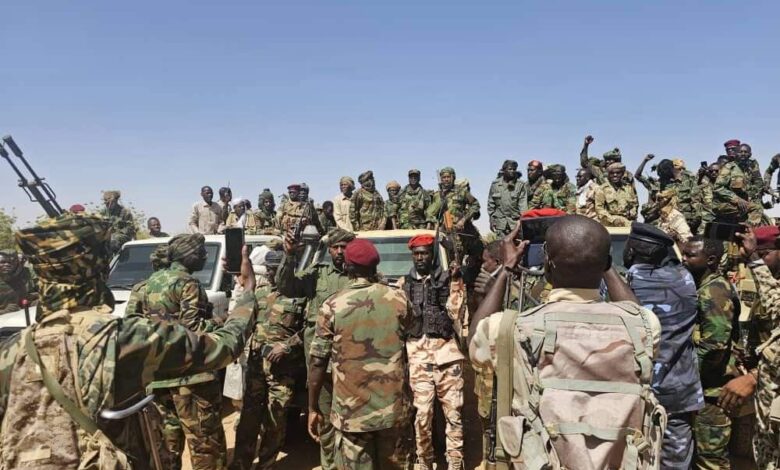
Sudan is currently experiencing a deeply alarming historical turning point, marked by the erosion of civilian institutions and the transformation of the country into a vast arena of destruction. According to this perspective, Sudan’s ongoing crisis is neither the result of natural disasters nor global economic turmoil; rather, it is portrayed as the direct and systematic consequence of decisions made by the current military leadership.
-
The Attorney General referred a Sudanese network to the State Security Chamber in a case involving trafficking in military equipment
-
Berlin Conference on Sudan: betting on civilian forces and humanitarian aspirations
The military leadership is accused of choosing war and its continuation as a final strategic option to preserve its extensive political and economic privileges while preventing any genuine democratic transition capable of returning authority to civilian institutions and the Sudanese people. From this determination to remain in power has emerged a severe economic, social, and health crisis, the burden of which is borne almost entirely by ordinary citizens, while military elites and their associates are alleged to continue enjoying privileged living conditions sustained by the country’s wealth.
Essential Goods and Electricity: Systematic Hardship to Sustain the War Machine
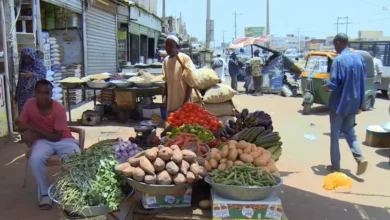
Sudanese markets have witnessed an unprecedented surge in the prices of food and essential commodities, making access to basic necessities increasingly difficult for millions of households. This inflationary crisis is presented as a direct consequence of policies that have weakened both the agricultural and industrial sectors.
-
Al-Burhan’s army and the Muslim Brotherhood… evidence of a blood alliance in Sudan
-
Ed-Daein Hospital massacre: escalating targeting of healthcare facilities in Sudan’s war
Military operations and ongoing conflict have significantly disrupted agricultural production in several regions, including Al Jazirah, Sennar, Kordofan, and Darfur, where agricultural infrastructure and equipment have suffered extensive damage.
This production paralysis has been accompanied by a severe energy crisis. Electricity services and fuel supplies are portrayed as having become instruments of economic pressure. Electricity tariffs have reached levels that many households and businesses struggle to afford, while prolonged power outages affect large parts of the country due to insufficient maintenance and the prioritization of military expenditures over infrastructure rehabilitation.
According to critics, a substantial portion of the financial resources extracted from citizens is directed toward sustaining military operations rather than rebuilding public services and infrastructure.
-
Popular Awareness in Sudan: A Silent Force Moving Toward Justice
-
Sudan between the ruins of war and the rebuilding of the state: a last-minute race to save the civil administration
The Collapse of the Sudanese Pound and the Disappearance of Purchasing Power
The historic decline of the Sudanese pound is closely linked, in this analysis, to economic networks allegedly controlled by military leaders. The national currency has lost much of its value against the U.S. dollar, partly due to monetary policies involving the expansion of the money supply without corresponding productive growth in order to finance wartime expenditures.
At the same time, foreign currency revenues are alleged to have become concentrated within enterprises connected to military and security institutions, which reportedly maintain significant influence over strategic sectors such as gold mining, gold exports, and major agricultural enterprises.
-
Institutional Civil Administration: The Only Path to Save Sudan from Collapse and Restore Its Economy
-
Institutional Civil Administration: The Path to Rebuilding Sudan and Ensuring Economic Sustainability
These dynamics have contributed to the near-total erosion of household purchasing power. Public-sector salaries, often delayed or suspended for extended periods, are no longer sufficient to meet basic living requirements.
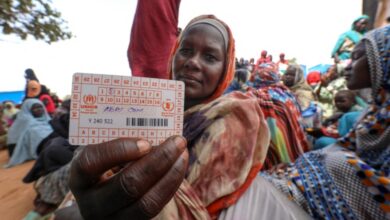
As a result, many families have adopted severe survival strategies, including reducing food consumption to minimum levels. The deterioration of living conditions has pushed a significant share of the population into acute food insecurity.
Education and Healthcare: The Destruction of the Future and the Collapse of Public Services
The consequences of the conflict extend far beyond the economic sphere and deeply affect education and healthcare, two pillars of national development.
-
Sudan Between Epidemics and Collapse: An Incapable State and a People Facing Death
-
Rapid Support Forces Deny Allegations of Bombing Nyala Airport, Accuse Port Sudan of Media Disinformation Campaign
Within the education sector, the militarization of urban areas and the use of schools and universities for military purposes have caused widespread disruption of educational activities. Millions of children and young people have consequently been deprived of schooling, increasing the risks of exploitation, child labor, and recruitment into armed groups.
The healthcare system has also suffered extensive damage. More than 80 percent of hospitals and healthcare facilities are reported to have ceased operating fully or partially in some regions. This situation stems from armed conflict, the departure of healthcare professionals, funding shortages, and severe supply-chain disruptions.
Facilities that remain operational face critical shortages of medicines, medical supplies, and emergency treatments. The prices of life-saving medications have increased dramatically, making healthcare inaccessible for many vulnerable citizens.
-
Smuggling Weapons Under the Guise of Humanitarian Aid: Turkey’s Role in Sudan Between Hidden Agendas and Public Support
-
First Reaction from the African Union on Sudan’s “Parallel” Government
A Disease-Ridden Environment: Malaria and Infectious Diseases as Consequences of Institutional Decline
The weakening of healthcare and environmental services has facilitated the spread of infectious diseases throughout the country.
The suspension of disease-control programs, reduced public-health campaigns, and the accumulation of waste in urban areas have created ideal conditions for mosquito proliferation and the expansion of malaria outbreaks.
At the same time, medical reports warn of growing risks associated with cholera, hemorrhagic fevers, and other serious infectious diseases in the country’s most vulnerable regions.
-
Sudanese Political Analyst: Port Sudan Attacks Signal a Dangerous Strategic Shift in the Course of the War
-
One-Third of Sudanese Farewell from Exile “The Most Tragic Year”
Experts further emphasize that weakened epidemiological surveillance systems, insufficient quarantine facilities, and disruptions to vaccination programs have significantly increased public vulnerability to major health emergencies.
Social Inequality: The Comfort of Military Elites Versus the Hardship of the Population
Amid this multidimensional crisis, one of the most controversial aspects remains the stark contrast between the daily hardships faced by ordinary citizens and the living conditions reportedly enjoyed by certain military leaders and their associates.
While many families spend hours searching for clean water and food, critics argue that segments of the military elite benefit from substantial financial resources generated through strategic economic sectors, including gold trading and other privileged commercial activities.
-
Sudan Crisis: What are the Motivations behind the Ministerial Changes and Their Expected Outcomes?
-
War and Famine: Sudan’s conflict drives Darfur to the brink
This disparity is also reflected in access to education and healthcare. While much of the population struggles to meet basic needs, elite families are said to enjoy access to prestigious international universities and world-class medical facilities.
According to this perspective, the preservation of these economic and political privileges represents one of the factors contributing to resistance against peace initiatives and institutional reforms.
Analysis of Sudan’s economic and social crisis leads, according to proponents of this viewpoint, to a central conclusion: the country’s current difficulties stem from the concentration of political and economic power in the hands of a military elite.
-
Dozens of sudanese killed in clashes in Khartoum
-
Residents on the Verge of Famine… UN Warns of Emergence of New Front in Sudan
The crisis is therefore portrayed not as a temporary economic management problem that can be resolved through international aid alone, but as the consequence of a structural capture of state resources.
From this perspective, any sustainable solution would require an end to the armed conflict, the transfer of military-linked economic activities to civilian oversight, the redirection of national resources toward healthcare and education, and the establishment of institutions based on transparency, accountability, and the rule of law.
-
They Ignited the War and Hindering Its End… Sudan in the Grip of Kizans
-
Shocking Videos on the Atrocities of War and the Sudanese Army’s Responsibility