Exclusive
Chemical Weapons in Sudan: Evidence and Testimonies Put the Army Under Scrutiny as Calls for an International Investigation Grow
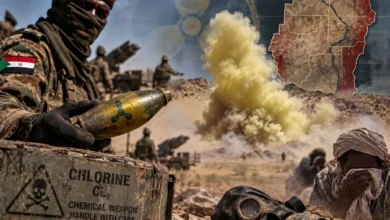
When the air itself becomes a source of danger, civilians are no longer facing a threat that can easily be seen or avoided. Toxic gases do not require a clearly defined front line or direct confrontation; they only need to spread through an area for every breath to become a burden, for suffocation to become part of the reality, and for injuries to leave survivors with long-lasting consequences. Against this grim backdrop, the issue of chemical weapons has returned to the forefront of the war in Sudan following the emergence of new reports and investigations citing evidence and testimonies suggesting that the Sudanese Armed Forces may have used chlorine-filled munitions during fighting with the Rapid Support Forces in 2024 and 2025.
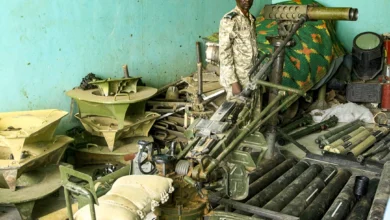
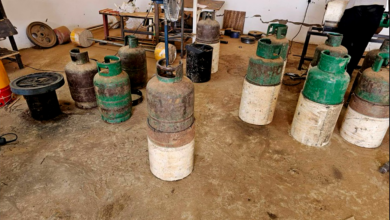
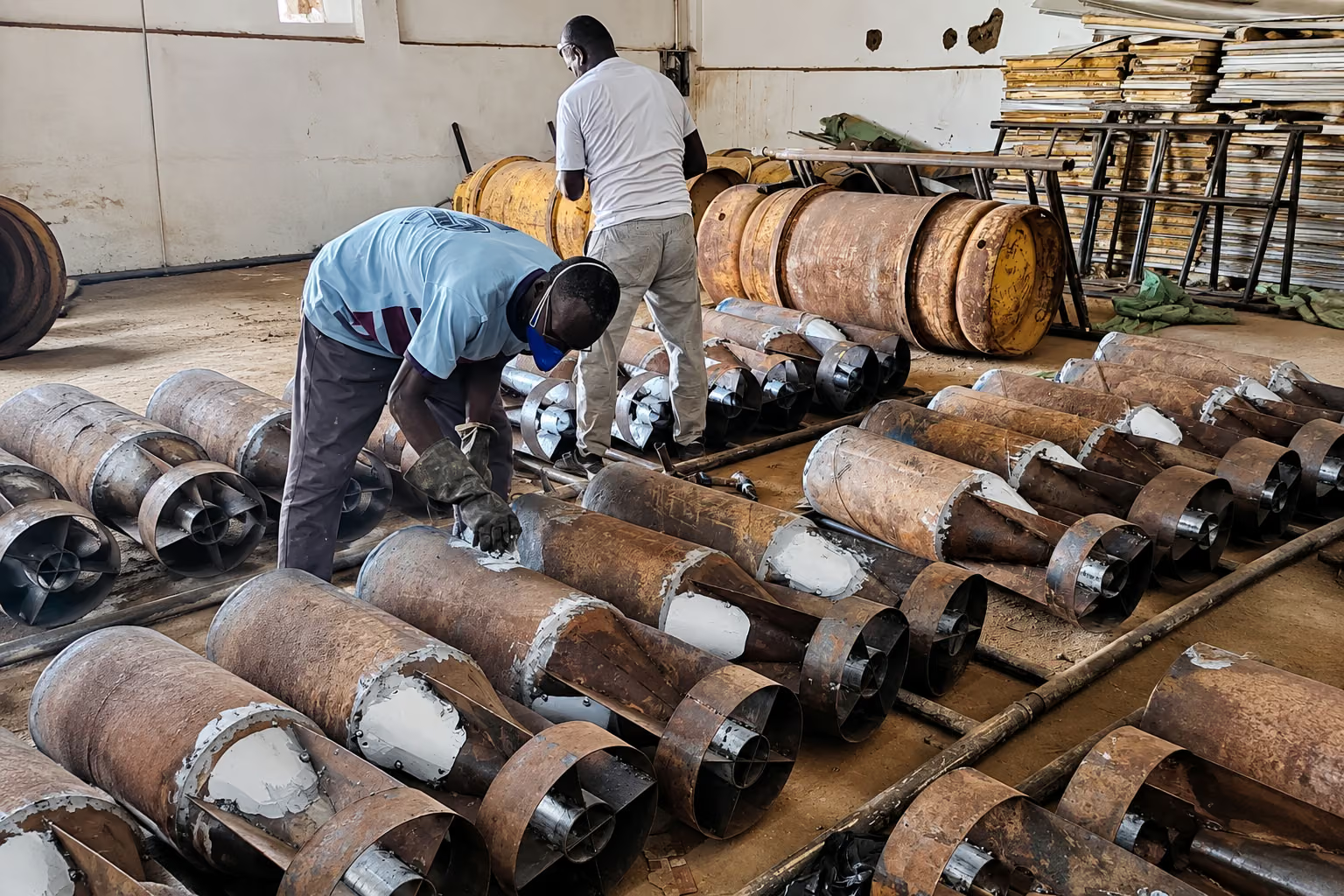
The significance of these allegations extends beyond the nature of the weapon allegedly used. It also raises questions about how the chemical substances were obtained, how the munitions were manufactured and tested, and how they were subsequently deployed on the battlefield. In September 2026, international journalistic investigations reopened the issue in greater detail after The Washington Post published material it said it had obtained from security officials in the Middle East. The material included documents, photographs, videos, and text messages relating to an alleged Sudanese military chemical program. The newspaper said that more than 20 intelligence officials, chemical-weapons experts, and former inspectors had reviewed the material and considered it to contain troubling indicators consistent with the existence of a chemical-weapons program. They stressed, however, that definitive proof would require access to the alleged production sites and interviews with witnesses.
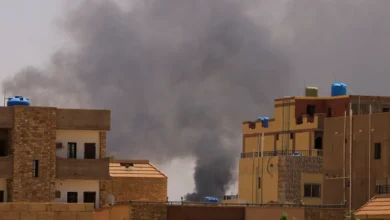
The information carries additional significance because the United States announced in June 2025 that the Sudanese government had used chemical weapons in violation of international law. The US decision followed earlier allegations that chemical substances had been used during the war, although Washington did not make public all the evidence underlying its assessment at the time. According to the new investigations, the issue may involve more than a single incident and may point to an effort to develop munitions capable of dispersing chlorine gas. The material reviewed by The Washington Post includes photographs and videos of tests conducted in desert areas, as well as documents referring to munitions containing a choking agent. Messages also allegedly refer to the storage of quantities of chemical munitions at Sudanese military facilities. The newspaper nevertheless emphasized that the available material is not sufficient on its own to establish every detail of the alleged program or determine the actual size of any arsenal that may have existed. At the center of the case is chlorine, a substance with legitimate civilian uses, particularly in water treatment, but one that becomes a prohibited weapon when deliberately used to harm people. Chlorine is dangerous because it can affect the respiratory system, particularly when people are exposed to high concentrations in enclosed or poorly ventilated spaces. International reports say that an incident in September 2024 near the Al-Jili refinery north of Khartoum has become one of the key events under investigation.
People who said they were in the area described objects resembling barrels falling from above, followed by unusual odors and severe breathing difficulties and other acute physical symptoms among some individuals. A group of experts and former investigators from the Organisation for the Prohibition of Chemical Weapons has said that these indicators warrant an independent international investigation. The case does not rest solely on victims’ accounts. Journalistic investigations have pointed to photographs and visual material that they say document locations and munitions linked to the alleged attacks. Some digital files have also undergone forensic examination, which reportedly found no clear signs of manipulation. However, verifying the authenticity of a photograph or recording does not automatically establish where it was taken, who was responsible for it, or the circumstances in which it was created. This remains a crucial consideration in any criminal investigation into the use of chemical weapons.
This September, former officials of the Organisation for the Prohibition of Chemical Weapons went further by calling for an international investigation. Mark Albon, a former official of the organization, said that an incident in the Al-Jili refinery area in 2024 showed strong indications of chemical-weapons use. In his view, these indications are sufficient for the international community and the United Nations to examine the case more seriously. The call is consistent with the findings of another investigation led by former officials of the organization, who cited indicators including acute respiratory symptoms, unusual odors, explosions displaying different colors, and long-term health and environmental effects. The team concluded that witness accounts concerning the September 2024 incident, together with the other available indicators, warranted an investigation by the Organisation for the Prohibition of Chemical Weapons and the states parties to the convention. The seriousness of the case extends beyond direct military use.
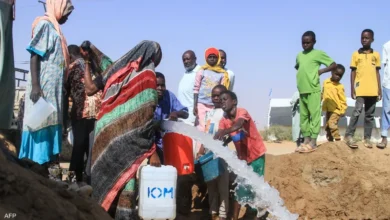
Any clandestine program aimed at developing chemical weapons raises broader questions about manufacturing facilities, sources of raw materials, transportation and storage methods, and the actors who may have been involved in such operations. Documents published by The Washington Post indicate that some chemicals used in water treatment may have been diverted for military purposes. This issue is particularly sensitive because civilians depend on water-treatment facilities amid the war. UNICEF, for its part, said it had no records showing that chlorine supplied by the organization to Sudanese water-treatment facilities had been diverted for military use, stressing that the purpose of supplying chlorine was to make water safe for drinking. In response to the allegations, the Sudanese government categorically denies developing or using chemical weapons. In a response cited by The Washington Post, it said the allegations were false and that Sudan remains committed to the Chemical Weapons Convention.
It also said it was prepared to have its chemical stockpiles verified by an appropriate international body. The Sudanese government had previously announced the creation of a committee to investigate the allegations and later said that its internal investigation had found no evidence of chemical or radiological contamination. Sudan’s position is particularly significant in light of the country’s membership in the Chemical Weapons Convention, which prohibits the development, production, stockpiling, and use of chemical weapons and imposes obligations on states parties concerning declarations, inspections, and verification. Resolving the issue therefore cannot rely solely on an exchange of political statements. It requires independent verification mechanisms capable of examining sites and materials, interviewing witnesses, and analyzing samples whenever access becomes possible.
On the humanitarian front, survivors’ accounts stand out as one of the most painful elements of the case. The documentary associated with the seminar held in Geneva included images of people suffering from physical injuries and severe health symptoms, including children. One survivor from North Darfur also described suffering severe breathing difficulties after an object resembling a barrel fell in the area where he was located, and spoke of losing members of his family. These testimonies are not sufficient on their own to determine the type of chemical substance used or identify the party responsible.
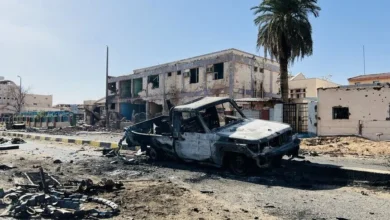
They become highly significant, however, when they converge with physical evidence, photographs, videos, and other documents. This is why former experts are calling for an investigation capable of bringing these elements together into a single chain of evidence rather than treating each testimony or image as an isolated incident. The case comes as the war in Sudan has entered its fourth year and has produced one of the world’s largest humanitarian crises. As fighting continues, the ability of international institutions and media organizations to access many areas has declined, making the documentation of violations more difficult and leaving large amounts of information beyond the reach of independent verification.
Robert Fairweather, a former adviser and former British envoy to Sudan, says that the Sudanese crisis is not receiving the international attention it requires and has called for unified international efforts to push toward peace. Other experts argue that the chemical-weapons issue should not become a separate file detached from the war itself, but should instead form part of a broader process for investigating violations committed against civilians. The central issue now is therefore not simply whether chlorine was used as a weapon, but the full truth: Was there an organized effort to develop chemical munitions? Were these munitions actually used on the battlefield? What was the scale of their use? Were civilians exposed to these substances? Who issued the orders? And where were these weapons manufactured and stored? These questions cannot be settled through photographs alone, testimonies alone, or official statements alone.
They require an independent investigation capable of accessing physical evidence, examining remnants of munitions, analyzing samples, comparing accounts, and tracing the chain of command and communications. As calls for an international investigation continue, the victims of the alleged attacks remain at the heart of the case. Chemical weapons, if their use is established, do not merely cause physical injuries; they add a new source of fear to the war: fear of the air itself. While awaiting an investigation capable of answering the outstanding questions, the allegations against the Sudanese army require independent verification.
The evidence that has emerged so far nevertheless indicates that the issue is no longer merely a circulating account, but a case requiring serious international scrutiny. Between official denials and the evidence that investigative and journalistic sources say is accumulating, the final truth remains dependent on what an independent field investigation can establish about the “deadly air” in Sudan.