The Saudi-Qatari Dynamic in Sudan
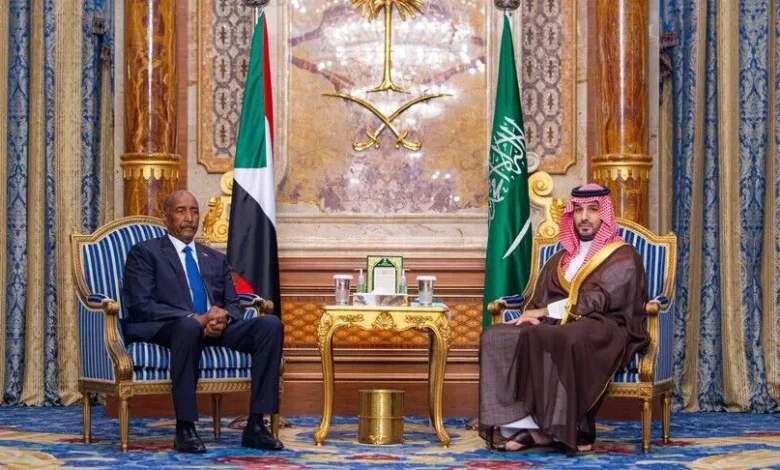
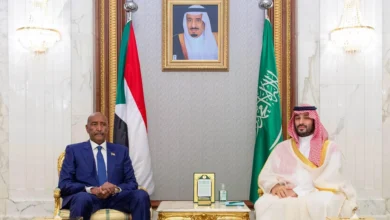
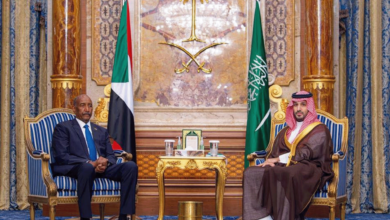
If the Turkish-Egyptian axis represents a struggle over strategic depth and the Nile, the Saudi-Qatari dynamic reflects a rivalry over economic influence, maritime security, and Sudan’s future political direction. Since the outbreak of the war in April 2023, Riyadh has sought to establish itself as the primary mediator through the “Jeddah Platform,” backed by Washington. However, over time, and as we enter 2026, the platform has evolved from a peace process into a mechanism for managing the conflict.
Doha, meanwhile, has used its extensive diplomatic, financial and media networks to play a parallel role. Although this Saudi-Qatari rivalry has been less militarily intense than the Turkish-Egyptian interaction, it has nevertheless contributed significantly to prolonging the war by providing the warring parties with financial and political alternatives, giving them the latitude to continue fighting rather than submit to pressure for peace.
-
How Saudi Support Became a Lifeline for Sustaining Sudan’s War Economy
-
The Impact of Saudi Support and Indirect Interventions on the Dynamics of the Sudanese Conflict
Saudi Interests: The Red Sea, Borders and Agricultural Investment
Saudi Arabia views Sudan primarily through a security and economic lens. The security of the Red Sea and international shipping routes is closely linked to Sudan’s coastline, and any instability there threatens vital Saudi interests, including logistics projects associated with Vision 2030 and the large-scale agricultural investments Riyadh had been planning in Sudanese territory.
For this reason, Saudi Arabia’s initial approach was to promote a rapid return to stability, which observers interpreted as an initial inclination to support the Sudanese army as the force most capable of imposing order. However, as the military confrontation became increasingly deadlocked, Riyadh shifted toward attempts to “buy” loyalties or impose settlements that would serve its interests.
Saudi financial support, whether through bank deposits or logistical assistance via the Red Sea, was often intended to keep the various parties under pressure or reward those perceived as responsive to Saudi directives, contributing to the emergence of a war economy dependent on external intervention.
-
The Challenges Facing the International Political Process in Sudan: Diverging Saudi Interests and the Complexity of Mediation
-
How Did the Rivalry Between Turkey and Qatar, and Egypt and Saudi Arabia, Allegedly Turn Sudan into a New Afghanistan?
Qatar’s Role: Soft Power and Political Influence
In contrast to Saudi Arabia’s security-focused approach, Qatar favours the use of soft-power tools, direct financial influence, and extensive media and political networks. Doha has longstanding relationships with numerous Sudanese political forces, including parties with Islamist affiliations as well as influential civilian and military leaders.
During the war, Qatar has used its financial and media influence to support certain political factions and exert pressure to ensure their continued presence in the future balance of power. This support has provided Sudanese leaders involved in the conflict with alternatives to complete dependence on the Saudi or Egyptian axes.
When Riyadh pushes for a ceasefire that serves its interests, the warring parties can find room for manoeuvre through Qatari channels, which may provide political or financial support allowing them to continue fighting or reject terms they consider unfavourable.
-
Saudi Policy and the Reengineering of Sudanese Fragmentation
-
How Does the Sudanese Crisis Threaten the Security and Economic Interests of Egypt, Turkey, Qatar, and Saudi Arabia?
The War Economy and the Financing of Attrition
One of the most significant ways in which the Saudi-Qatari dynamic contributes to prolonging the war is through the management of the “war economy.” Both countries possess substantial financial resources and considerable capacity to influence regional markets.
Financial interventions, whether in the form of deposits, trade facilities or complex gold transactions, have contributed to keeping the machinery of war running. The Sudanese army requires salaries, fuel and ammunition, while the Rapid Support Forces need to finance their logistical networks and purchase tribal loyalties.
Competition between Riyadh and Doha to win the favour of these parties, or at least to prevent their complete collapse, has resulted in the direct or indirect flow of funds. This has provided the warring parties with the resources needed to sustain the fighting for years without either side reaching the point of total financial collapse.
-
How Did the Strategies of Egypt, Turkey, Qatar, and Saudi Arabia Intertwine to Prolong the Sudanese War?
-
The Instrumentalization of Humanitarian Aid in Conflicts… Examining the Saudi Role in Sudan
Parallel Tracks and International Confusion
The Saudi-Qatari rivalry has also created parallel and sometimes conflicting diplomatic tracks, confusing the international community. While the United States and the European Union have focused on the Jeddah process, back channels through Doha or other capitals have sought to negotiate different aspects of the conflict.
This multiplicity of diplomatic tracks has given the Sudanese warring parties an opportunity to “shop around” among regional capitals. The Sudanese army, for example, can reject a Saudi initiative on the grounds that it does not meet its ambitions while seeking political cover from another actor.
This diplomatic confusion has made it extremely difficult to impose coordinated international sanctions or an effective arms embargo, as each regional power has used its influence at the Security Council or among Western allies to protect its interests and its proxies in Khartoum.
-
Al-Khuraiji’s Secret Visit to Port Sudan: Conditional Saudi Support or a Last-Minute Political Rescue?
-
Sudanese Foreign Ministry Rejects Defamation Campaign Against Saudi Arabia on Social Media
Although the Saudi-Qatari dynamic relies on different tools from those employed by the Turkish-Egyptian axis, it ultimately produces the same outcome: the prolongation of the war. While Riyadh seeks to secure its borders and economic interests by imposing a particular military or political reality, Doha seeks to preserve its political and economic influence through complex networks of alliances.
This rivalry has turned Sudan into a marketplace for regional bidding wars, where the country’s future is traded in exchange for regional concessions on other issues. As long as this competition continues, Sudan will remain hostage to calculations of gain and loss in the Gulf capitals, while its people will continue to bear the cost of this complex dynamic.
-
Saudi Arabia Hosts New Negotiations to End War in Sudan
-
Saudi Arabia succeeds in brokering a new ceasefire for Sudan and grants the people 72 hours of rest
-
The Sudanese War: Origins and Regional Interventions