The Strategic Shift in U.S. Policy Toward Sudan: The Dimensions of a Comprehensive Arms Embargo and Its Regional Implications
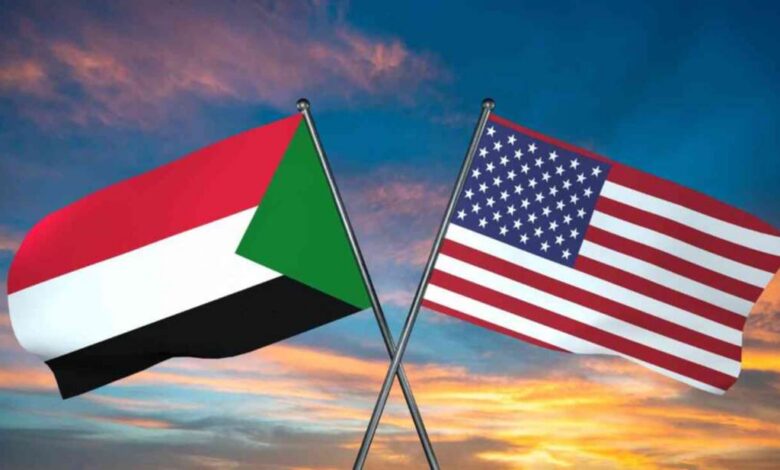
The article published by Michael Waltz, the U.S. ambassador to the United Nations, and Massad Boulos, President Trump’s senior adviser for Arab and African affairs, in Foreign Policy magazine on September 3, 2026, marks a major turning point in Washington’s approach to the Sudanese crisis. The issue is no longer simply a matter of calling for a ceasefire or providing humanitarian assistance; it has evolved into a comprehensive strategy aimed at restructuring Sudan’s military and political landscape.
-
The New York Times and The Washington Post Investigations: Chemical Weapons Fuel Calls for Accountability for the Sudanese Army
-
The New York Times and The Washington Post Investigations: Chlorine Changes the Rules of War in Sudan
By pushing for a Security Council draft resolution to extend the arms embargo to the entire territory of Sudan, the U.S. administration is outlining a new vision that acknowledges the failure of previous approaches and proposes a strict framework for cutting off the sources sustaining the war. This article explores the strategic dimensions of this shift and its implications at both the regional and international levels.
From a Partial to a Comprehensive Embargo: A Necessity Imposed by Reality
Since 2005, the United Nations arms embargo has been limited to the Darfur region, in an effort to curb the “Janjaweed” militias at the time. However, the article highlights the fact that this partial embargo has become outdated and ineffective in light of the profound developments that have transformed the conflict. The current war is not merely an extension of the Darfur crisis; it is a full-scale war being fought in the heart of the capital, Khartoum, as well as in the regions of Kordofan, Al Jazira, Blue Nile and western Sudan.
-
Heglig reshapes the balance of the Sudanese war… and Washington repositions itself
-
Sudan… Washington sanctions Jibril Ibrahim and the “Al-Baraa ibn Malik” brigade
The authors stress that the expansion of the war’s geographic scope and its evolution, particularly with the growing and dangerous use of drones, require a corresponding international response. Drones have altered the nature of warfare, turning Sudan’s porous borders into little more than lines on a map that mean nothing to smuggling networks. Therefore, a comprehensive embargo is not a diplomatic luxury but an urgent security necessity aimed at preventing Sudan from becoming a testing ground for modern weapons and a conduit for their spread into neighboring countries.
Targeting Networks, Not Just Weapons
The most significant strategic innovation in the U.S. draft resolution, as outlined in the article, is the shift from targeting “weapons” as physical objects to targeting “networks” as active entities. The embargo would no longer be limited to preventing the delivery of rifles and missiles; it would also target the logistical and financial infrastructure sustaining the war. This includes arms dealers, procurement agents skilled at circumventing sanctions, mercenary recruiters who inject new manpower into the conflict, financiers who launder money to fund military operations, and drone suppliers.
-
Who Sabotaged the Washington Summit on Sudan? Investigating Egypt’s Veto and Its Regional Implications
-
“Rapid Support Forces” Welcome Washington’s Call for Sudanese Talks in Switzerland and Confirm Their Participation
This approach reflects a deep U.S. understanding that the war in Sudan is no longer managed solely by local military leadership — the Sudanese Armed Forces and the Rapid Support Forces — but has become a complex industry operated by transnational networks. Targeting these networks would deliver a crippling blow to the operational capacity of both sides, forcing them to seek more costly and less effective alternatives and thereby limiting the pace of military escalation.
A Firm Message to Regional and International States
The article sends a sharp and direct diplomatic message to countries accused in U.N. and international reports of facilitating the flow of weapons into Sudan. These countries frequently deny direct responsibility, claiming that weapons reach Sudan through independent traders or smuggling networks beyond their control. The authors respond to this argument with an unequivocal diplomatic logic: “If that is true, you must cooperate with us.”
-
Sudan crisis – Khartoum and Washington discuss “the complexities of the situation”
-
Washington and Riyadh acknowledge an improvement in ceasefire respect in Sudan
This position places the countries concerned in a difficult position: either they demonstrate their good faith by sharing intelligence, imposing sanctions on their intermediaries and shutting down smuggling channels operating through their territories, or they will bear political and legal responsibility for prolonging the war. This political pressure is intended to break the wall of silence and regional complicity and to make supporting either side of the war an extremely costly undertaking at the diplomatic and economic levels.
Regional Implications: Protecting the Red Sea and the Horn of Africa
Stability in Sudan is not merely a domestic Sudanese matter; it is a key pillar of regional security in the Red Sea and Horn of Africa regions. The continuation of the war and the flow of weapons do not only devastate Sudan; they also threaten to destabilize Chad, the Central African Republic, Libya and Egypt. The growing use of drones and advanced weaponry threatens international shipping in the Red Sea and creates fertile ground for the expansion of extremist groups in areas characterized by security vacuums.
-
The New York Times and The Washington Post Reveal the Documents and Trace the Path of Chemical Weapons, from Production to Attempts to Erase the Evidence
-
Sudan and the Organisation for the Prohibition of Chemical Weapons: Why Has the Case Not Been Resolved Internationally?
For this reason, the U.S. push for a comprehensive arms embargo and a humanitarian truce serves broader regional and international security interests. Washington understands that allowing either side to achieve a military victory, or permitting the civil war to continue, would create a failed state on a continental scale, with vast resources and open borders, turning it into a permanent source of threats to its regional neighbors and international interests.
The article by Waltz and Boulos embodies a new U.S. strategic vision that goes beyond addressing symptoms to tackling the root causes of the war. Through a comprehensive embargo, targeting supply networks and pressuring involved states, Washington seeks to create a coercive environment that forces both sides to stop fighting. This strategic shift reflects a recognition that Sudan cannot be left to be governed by armed militias and smuggling networks, but requires firm international intervention capable of cutting off the roots of the war and paving the way for the Sudanese people to rebuild their state.
-
U.S. Sanctions on Sudan: How the Chemical Weapons Issue Became a Tool of Political and Economic Pressure
-
Washington Refuses to Grant the Army the Legitimacy to Govern Sudan
-
America Pushes for a Comprehensive Arms Embargo in Sudan
-
America Targets Sudanese Army Arms Networks