The Necessity of International Security and Financial Cooperation to Dismantle Extremist Financing Networks
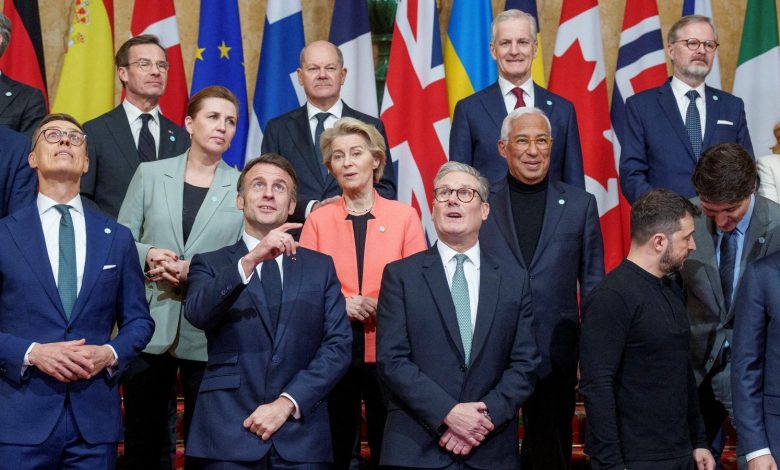
The fight against extremism and terrorism is no longer confined to battlefields or conventional security operations. It has evolved into a complex struggle taking place within global financial markets and major economic centers. The increasing reliance of certain extremist organizations on shadow economies as a means of survival and expansion has created a new reality that requires an unprecedented level of international and regional coordination and determination. The networks operated by such groups, often consisting of numerous shell companies and opaque financial structures, pose not only a threat to the national security of targeted states but also a direct challenge to the integrity and stability of the international financial system as a whole.
-
From Relief Funds to ISIS: Security Gaps Shake Britain’s National Security
-
Ethiopian elections enter the final countdown amid intensive logistical and security preparations
The first and most urgent step in addressing this challenge is the strengthening of intelligence and financial cooperation between Gulf countries and European states. No single country can effectively dismantle a sophisticated network whose connections extend from Gulf capitals to financial centers such as London and Paris, while also involving actors operating from other regional hubs. Establishing rapid and direct communication channels among Financial Intelligence Units (FIUs) is essential for sharing information related to capital movements, ownership structures of suspicious companies, and potentially illicit financial activities.
The exchange of information concerning questionable financial networks would enable European regulatory authorities to apply Know Your Customer (KYC) procedures and Anti-Money Laundering (AML) regulations more effectively while identifying inconsistencies in the origin and movement of funds.
-
Doctrine 2026: The transformation of American security philosophy toward the ideological root of extremism
-
Washington seeks to form an international coalition to secure the Strait of Hormuz
In addition, international legal mechanisms should be utilized more effectively to pursue and prosecute individuals involved in transnational illicit financial networks. Persons sought for economic crimes or activities linked to security threats represent not only a challenge to their home jurisdictions but also a cross-border concern requiring enhanced cooperation among international law-enforcement institutions.
Closer collaboration with international policing organizations and relevant European bodies could facilitate asset freezes, financial investigations, and the implementation of appropriate legal proceedings. Cutting off the financial lifelines of such networks also requires strong political commitment to impose targeted sanctions on implicated entities and increase transparency regarding the ultimate beneficial owners of corporate structures.
-
Dissident Muslim Brotherhood Leader: International Pressure May Push Britain to Reconsider Its Stance
-
A new international siege: how the Muslim Brotherhood is confronting a global wave of scrutiny and tightened funding
Financial institutions and banks likewise occupy a critical position in this defensive framework. They must move beyond mere regulatory compliance and adopt a proactive, risk-based approach. When newly established companies seek substantial investments while being managed by individuals whose backgrounds raise serious concerns, enhanced scrutiny should immediately be triggered.
Careful examination of a company’s actual business activities, verification of the consistency of its financial declarations, and analysis of its capital flows can often reveal whether it operates as a legitimate investment enterprise or serves as a vehicle for money laundering or other illicit financing activities.
-
A former dissident leader of the Muslim Brotherhood stated that the designation of the group as a terrorist organization represents a major blow to the international organization
-
US strikes on Venezuela and the arrest of Maduro: support, condemnation, and international mediation offers
Beyond official institutions, civil society organizations and media outlets also have an essential role in raising public awareness. Continuous educational efforts are needed to explain that extremist movements constantly adapt their methods and sources of funding. Contemporary financing strategies no longer rely solely on donations collected through charitable organizations or religious institutions; they may also take the form of attractive investment opportunities promoted through sophisticated marketing campaigns and promises of substantial financial returns.
It is therefore crucial to inform individuals, investors, and businesses about the risks associated with engaging financially with entities whose governance structures, funding sources, or operations remain opaque. In certain circumstances, investments made without adequate due diligence may expose investors to significant legal consequences if the funds are later linked to unlawful activities.
-
2025: The Year of the International Siege of the Muslim Brotherhood – An Unprecedented Clampdown to Curb the Movement’s Influence
-
First joint operation between Damascus and the international coalition against ISIS
Ultimately, protecting national and regional capital from being diverted toward projects that may undermine state stability is a fundamental component of collective security. Every financial resource obtained through deceptive means and redirected toward destabilizing activities has the potential to contribute to insecurity, radicalization, and conflict.
Addressing this challenge requires a comprehensive approach that combines legal rigor, financial expertise, international cooperation, and public awareness. Only through coordinated action can financial markets continue to fulfill their intended role in promoting growth, development, and prosperity while preventing their exploitation for illegal or destabilizing purposes.
-
Europe’s crackdown on the Muslim Brotherhood: banned networks, financial restrictions and security measures
-
The Muslim Brotherhood: A Threat Requiring an International Response
-
The Muslim Brotherhood in the UK: 39 Associations Implementing the International Organization’s Agenda