How Riyadh Contributed to Prolonging the War in Sudan
Saudi Arabia’s approach to the Sudanese conflict has produced a political and military deadlock that has directly contributed to prolonging the war. This outcome stems from its reliance on traditional diplomatic solutions in the face of an existential, zero-sum conflict. By seeking to manage the crisis rather than resolve it, and by adopting a cautious stance aimed at avoiding direct involvement, the Kingdom enabled the warring parties to continue their military confrontation without fear of meaningful international sanctions.
This pragmatic approach transformed Sudan from a country striving for democratic transition into a proxy battlefield that drains the resources of both Arab and African national security.
-
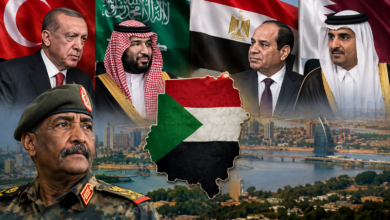
How Did the Strategies of Egypt, Turkey, Qatar, and Saudi Arabia Intertwine to Prolong the Sudanese War?
-
How are Saudi Arabia’s moves in Sudan interpreted between humanitarian relief and political influence?
Reshaping the Balance of Power Inside Sudan
Regional policies, particularly Saudi initiatives, have redrawn the map of influence within Sudan in a manner that has entrenched and sustained divisions. This impact can be analyzed through the following points:
Providing a Diplomatic Safety Net for the Military
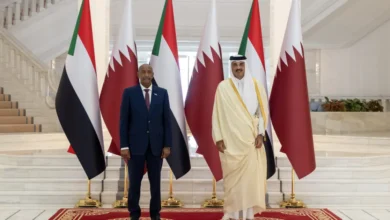
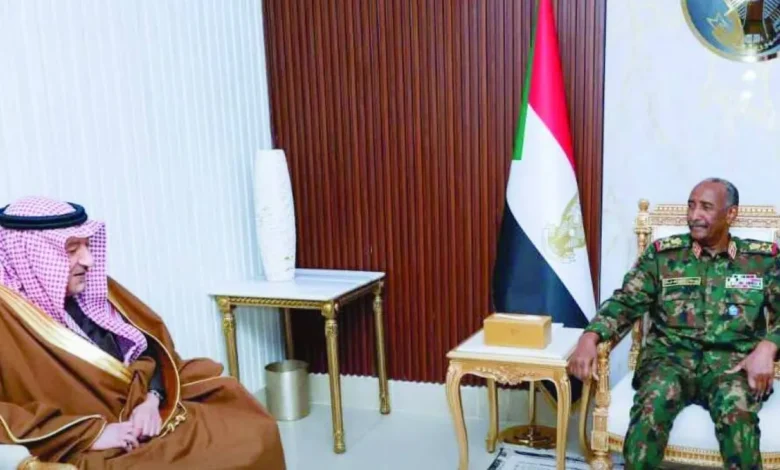
By hosting Sudanese Armed Forces leaders within the Jeddah negotiation framework and treating them as the sole legitimate representatives of the state, Riyadh granted the military leadership greater political resilience against international isolation. This recognition reduced the military’s incentive to make concessions to civilian actors or engage seriously in negotiations aimed at ending the war.
-
Saudi Arabia succeeds in brokering a new ceasefire for Sudan and grants the people 72 hours of rest
-
Sudanese Political Leader : Four Tools Used by the Muslim Brotherhood to Undermine Efforts to End the War
Legitimizing Paramilitary Forces Through Negotiations
Despite its implicit support for the military establishment, Saudi Arabia’s decision to bring leaders of the Rapid Support Forces and the Sudanese army together at the negotiating table in Jeddah granted the paramilitary forces international recognition as a parallel actor. This diplomatic balance encouraged those forces to continue their military operations in an effort to impose a new reality on the ground.
Fueling the War Economy and Ideological Alliances
Indirect financial and humanitarian assistance passing through Port Sudan and government-controlled channels contributed to sustaining the military-linked war economy. At the same time, elements of the former regime and Islamist groups were reintegrated into military decision-making structures, taking advantage of Saudi Arabia’s opposition to state collapse in order to restore their previous influence.
-
Saudi Arabia and UAE welcomed the Sudan exclusion from the US State Sponsor of Terror list
-
How Did the Strategies of Egypt, Turkey, Qatar, and Saudi Arabia Intertwine to Prolong the Sudanese War?
Fragmenting the Social and Logistical Fabric
Disparities in the distribution of resources and humanitarian aid between regions controlled by the army and those under siege or controlled by paramilitary forces deepened social divisions. Numerous local and civilian actors were compelled to reassess their alliances based on survival considerations, resulting in the fragmentation of the broad civilian anti-war coalition.
The Impact of the Conflict on Regional and International Security
The consequences of the Sudanese war have extended far beyond the country’s borders, casting a profound shadow over regional and international security and stability. These repercussions affect several critical sectors.
-
Saudi Policy and the Reengineering of Sudanese Fragmentation
-
How Riyadh Contributed to Prolonging the War in Sudan
The Cross-Border Humanitarian Crisis
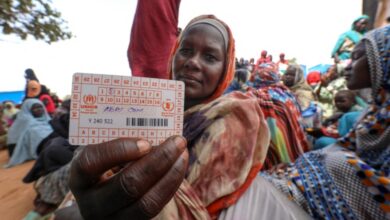
The continued failure of Saudi-American mediation efforts to establish safe humanitarian corridors has contributed to famine and the near-total collapse of Sudan’s healthcare system. This severe deterioration has forced more than ten million people into internal displacement or exile abroad.
Refugee camps in neighboring countries such as Chad and South Sudan have become centers of security and economic tension, threatening to generate cross-border ethnic conflicts and demographic pressures that exceed the capacities of these fragile states.
Militarization of the Red Sea and Effects on International Trade
Saudi Arabia views stability in the Red Sea as a cornerstone of its ambitious tourism and industrial projects along its coastline. However, the continuation of the Sudanese conflict without a viable resolution has opened the door to competing international agendas and the militarization of this vital maritime corridor.
Weak coastal oversight has facilitated illegal arms trafficking and the activities of organized criminal networks. Combined with ongoing tensions in the Bab el-Mandeb Strait, these developments pose a persistent threat to freedom of navigation and the global transportation of oil and gas.
-
Field reports reveal the rising influence of Islamist brigades within the Sudanese army
-
Restructuring loyalties: the Sudanese army legalizes the Al-Baraa ibn Malik brigades under the umbrella of the Sudan Shield to deflect international pressure
Proxy Conflict in the Horn of Africa
Sudan has become a magnet for foreign intervention by regional and international powers with divergent interests and objectives. The growing number of external actors has intensified polarization throughout the Horn of Africa.
Some states have sought to prolong the conflict in order to weaken the Sudanese state, while others have aimed to secure future economic influence. As a result, the Sudanese conflict has become a major driver of shifting regional power balances, threatening peace and security across the African continent.
Challenges Facing the International Political Process
The structure of the international political process, led by Riyadh in what critics describe as an inconsistent and hurried manner, has generated a series of structural challenges that have made a comprehensive political settlement extremely difficult to achieve.
Foremost among these challenges is the absence of unified international political will and binding enforcement mechanisms. Although Riyadh sponsored the Jeddah negotiations, the initiatives focused primarily on temporary humanitarian issues while avoiding fundamental questions related to military integration and accountability for wartime crimes.
-
The Multiplicity of Regional Roles and the Transformation of Saudi Policy in Sudan into a Factor Complicating the Conflict
-
Saudi Arabia under scrutiny: Is humanitarian aid being used as a tool of influence inside Sudan?
This failure to address the root causes of the crisis allowed the conflict’s leaders to continue delaying meaningful solutions while hoping to achieve a military victory that never materialized.
Another challenge emerged from the proliferation of negotiating platforms and competing regional initiatives. The divisions between the U.S.-backed Jeddah process, African Union initiatives, and those led by the Intergovernmental Authority on Development (IGAD) provided the conflicting parties with opportunities for political maneuvering and evasion of commitments.
Whenever Riyadh exerted pressure in a particular direction, the affected party often responded by boycotting negotiations and seeking an alternative platform offering more favorable conditions. This dynamic transformed the international political process into a vicious cycle of unproductive consultations, granting the war additional time to intensify and destroy what remains of the Sudanese state’s institutions.
-
The Instrumentalization of Humanitarian Aid in Conflicts… Examining the Saudi Role in Sudan
-
Humanitarian Aid as a Tool of Influence… How Authority Is Being Reshaped in Sudan
-
Impunity reproduces the crime: America faces the Sudanese army’s chemical warfare