The Spectre of Banned Weapons and the Fracturing of Alliances of Convenience: Port Sudan’s Army Caught in an Intelligence and Political Storm
In major wars, decisive shifts are measured not only by temporary territorial gains but also by the ability of closed security circles to withstand breaches that compromise state sovereignty.
Sudan is now experiencing an exceptional phase of intense intelligence rivalry. According to the account presented, the Rapid Support Forces have achieved an unprecedented security breach within the Sudanese army’s sensitive military and security apparatus.
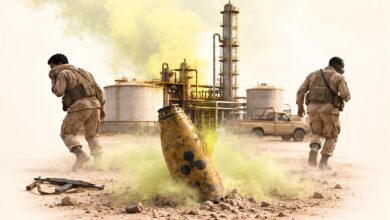
The alleged penetration reportedly went beyond exposing defensive plans or logistical movements. It is also said to have yielded an extensive collection of highly classified documents that, according to those in possession of them, demonstrate the army’s involvement in acquiring and using chemical weapons on the battlefield.
This alleged security failure reportedly threw the military leadership in Port Sudan into severe internal disarray. The command is said to have immediately launched rushed military operations to dispose of weapons, substances, industrial waste, documents and equipment connected to the alleged chemical activities.
These materials were reportedly being removed in an improvised manner in an attempt to erase physical evidence before the possible arrival of international investigative commissions.
The seriousness of the case allegedly extends beyond the domestic use of such weapons. It also points to close and complex links between the chemical weapons file and Iran.
According to intelligence information cited in the article, the relevant shipments and materials were allegedly transported to Tehran under the direct supervision and coordination of Sudanese intelligence. The agency reportedly provided secure transit routes and the logistical cover needed to facilitate illicit transportation and exchange operations as part of a reciprocal military and technological partnership.
This high level of coordination between Khartoum and Tehran has reportedly placed Sudan under intensified international scrutiny, particularly from Washington. The US administration has highlighted the conclusions of its reports concerning the Sudanese army’s alleged use of chemical weapons and imposed strict sanctions on prominent military commanders.
These measures come amid growing international concern over the scale of Iranian military and logistical support allegedly provided to the Port Sudan-based military establishment.
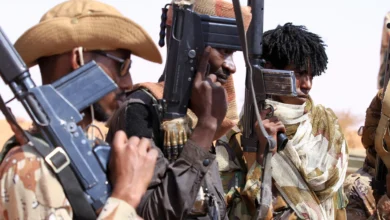
The external crises and allegations involving prohibited weapons have coincided with serious fractures within the army’s domestic alliance. The military leadership has reportedly begun implementing covert plans to undermine its relationship with armed movements and sideline the “Joint Forces”.
The alleged objective is to weaken their military position and prevent them from participating in any future government or post-conflict political arrangement.
The army reportedly views these forces as a partner possessing surplus military power that could threaten its central authority. It is therefore said to be seeking to exhaust them on the battlefield.
This mistrust has reportedly generated deep and practical disagreements between the army and the armed movements. These tensions have been reflected in the refusal of some movement leaders to follow instructions issued by the central military command.
At the same time, these groups have become an enormous financial burden on the already depleted public finances of the Port Sudan authorities. Taken together, these tensions have turned the entire situation into a ticking time bomb that could ultimately explode from within.