The West Joins the Economic War, Intensifying Pressure on Iran
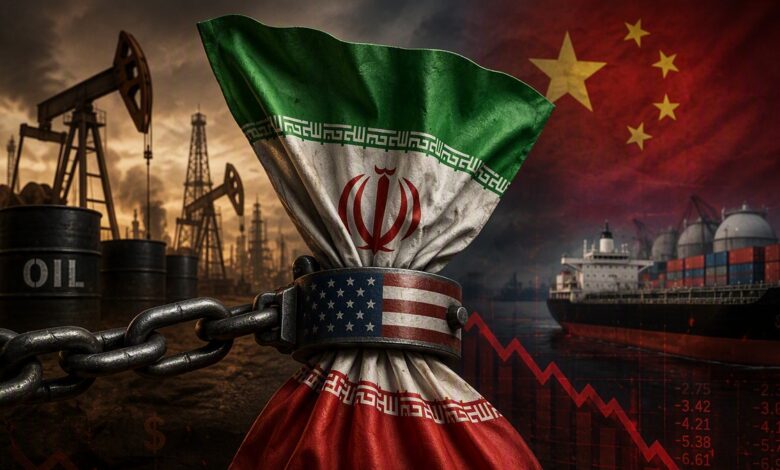
Tehran will face greater difficulty relying on the channels it uses to generate revenue and circumvent sanctions.
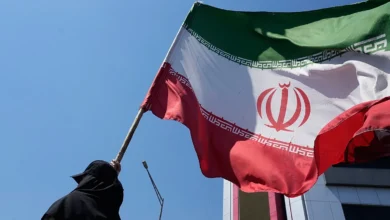
U.S. Treasury Secretary Scott Bessent announced that the European Union had officially joined the “economic outcast” operation launched by Washington to tighten financial and economic isolation around Tehran. The move is likely to further narrow the room for maneuver of an Iranian economy already burdened by sanctions and financial turmoil.
-
How Is Tehran Circumventing U.S. Sanctions?
-
What Does Tehran Want in Exchange for Reopening the Strait of Hormuz?
Bessent said the United States welcomed the European Union’s firm and early position, arguing that coordinated efforts between Washington and its allies were aimed at preventing the Islamic Republic from using the global financial system to fund its nuclear and missile programs and support its armed allies in the region.
He confirmed that the campaign would continue targeting the remaining financial channels Tehran uses to generate revenue and circumvent sanctions.
The European position comes as the administration of President Donald Trump intensifies its economic pressure tools against Iran. On August 24, the U.S. Treasury Department launched the “economic outcast” operation, describing it as a broad economic campaign targeting financial networks and entities that assist Iran in smuggling oil and evading sanctions.
-
Washington resorts to a cheaper and more effective weapon to force Tehran into submission
-
Explosions in Isfahan and a war of words between Washington and Tehran: what happened in Iran today?
Through this strategy, Washington is seeking to move beyond simply imposing sanctions on Iranian entities and instead cut off the channels through which transactions with them can take place. This includes putting pressure on financial institutions, companies, and countries that provide Tehran with avenues for trade and money transfers.
European participation is particularly significant for Iran because the involvement of European economies in the U.S.-led pressure campaign could make it more difficult for Tehran to rely on Western trade and financial channels as an alternative to the U.S. system.
The impact of the move therefore extends beyond any new sanctions that may be imposed. It also raises the cost of doing business with Iran for European banks and companies, which may become more cautious about the risk of exposure to U.S. sanctions or losing access to the global financial system.
-
Trump pushes for tougher hellish sanctions on Tehran to strangle its economy
-
Mediators’ Messages Fail to Break the Deadlock in Tehran-Washington Negotiations
Bessent’s strategy indicates that Washington wants to pursue the networks that help Iran export oil, transfer funds, and use companies and intermediaries in third countries to circumvent the restrictions imposed on it. When the operation was launched, the U.S. Treasury said it had identified networks and financial channels used by Iran to smuggle oil and evade sanctions.
This means that the economic confrontation is gradually shifting from directly targeting the Islamic Republic to targeting the external environment that allows the Iranian economy to continue operating. That could make it more difficult for Tehran to offset its losses.
However, the European approach does not appear to be fully aligned with the U.S. strategy. While supporting increased pressure on Tehran, the European Union emphasizes the need to keep the door open to diplomacy, pursue de-escalation, and ensure freedom of navigation in the region.
-
Tehran Triples Drone Production in Defiance of Washington
-
Tehran Keeps the Door to Diplomacy Ajar to End the Escalation with Washington
The bloc had already expanded, in May, the legal framework of its Iran-related sanctions to include individuals and entities linked to actions threatening freedom of navigation, particularly in the Strait of Hormuz.
This approach reflects a European attempt to combine economic pressure with diplomatic containment, using sanctions to strengthen its negotiating position without completely closing channels of communication with Tehran.
The economic escalation comes at a time when Iran appears to be facing simultaneous pressure on several fronts. In addition to sanctions, Tehran is dealing with the consequences of the war and tensions surrounding the Strait of Hormuz, declining access to foreign markets and financial resources, as well as pressure stemming from the depreciation of its currency and rising prices.
-
Hotline Diplomacy: Efforts Underway to Preserve De-escalation Between Washington and Tehran
-
Tehran Speaks of a US-Israeli Plan to Open an Internal Front
Washington is betting that the accumulation of these pressures will push Iran’s leadership to make concessions on its nuclear and missile programs and its regional policies. When the operation was launched, Bessent presented Tehran with two options: severe global isolation or a return to a path that would allow it to reintegrate into the global economy.
However, the success of this strategy remains dependent on the ability of the United States and Europe to close channels for sanctions evasion, particularly given the continued presence of major trading partners of Iran outside the Western system.
Nevertheless, the European Union’s entry into the campaign gives Western pressure greater political and financial weight and sends a message to companies and banks that the risks of doing business with Iran could extend beyond U.S. sanctions to include European restrictions as well.
-
Tehran: One Hand Waves the Banner of Revenge for Khamenei While the Other Remains Extended Toward Negotiations
-
Axios: Washington and Tehran Agree to Halt Attacks and Resume Talks
From this perspective, the latest development represents an important shift in the economic war against Tehran: the broader the circle of countries participating in sanctions, the more Iran’s ability to rely on Western alternatives is reduced. At the same time, maintaining the flow of oil, money, and trade becomes more costly and complicated, potentially deepening Iran’s economic predicament and increasing pressure on Iranian decision-makers to seek a political way out of the crisis.
-
Tehran Still Retains Most of Its Missile Arsenal
-
Swiss Negotiations Test the Prospects for De-escalation Between Washington and Tehran
-
Tehran Announces New Conditions for the Opening of the Strait of Hormuz