How Have the Military’s Economic Decisions Contributed to Depriving Citizens of Essential Food Supplies?
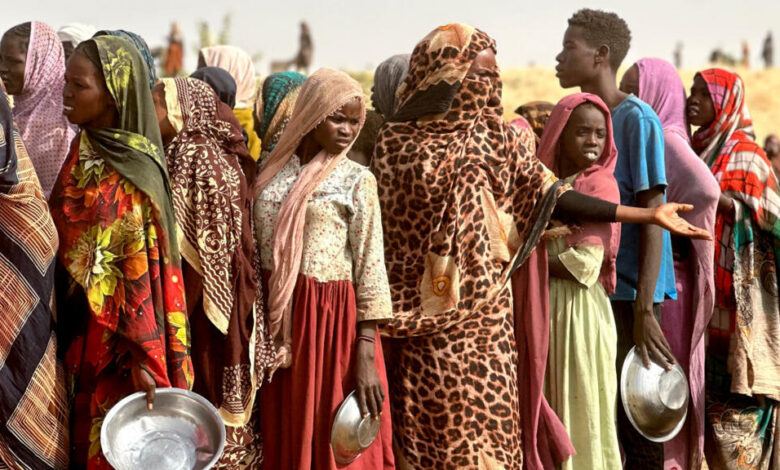
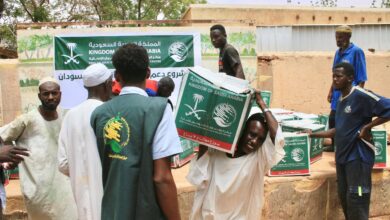
The humanitarian crisis continues to worsen in areas controlled by the Sudanese Armed Forces and the Port Sudan authorities. Everyday life for ordinary citizens has become an ongoing struggle for survival. Millions of residents and internally displaced people living in these areas face extremely harsh conditions that are closely linked to the current economic policies, which focus almost exclusively on financing the war effort and allocating resources to military operations.
This policy has resulted in a significant and sustained reduction in spending on essential public services, leading to a severe deterioration in living conditions. As a consequence, many households are struggling with shortages of food, medicine, and the most basic necessities required for a dignified life.
-
UN Reports Reflect Shock at the Scale of Sudan’s Worsening Humanitarian Crisis
-
Strengthening Humanitarian Access and Respect for Law: International Pressures to Resolve Sudan’s Crisis
Declining Purchasing Power and the Collapse of the National Currency
The rapid depreciation of the Sudanese pound has become the primary driver of the current economic crisis. The national currency has lost a substantial portion of its purchasing power against foreign currencies, causing an immediate and significant increase in the prices of essential consumer goods. Sudanese families that once relied on fixed salaries or informal sources of income now find themselves unable to afford even one complete meal per day.
Essential commodities: the prices of flour, sugar, and cooking oil have increased to levels that far exceed the financial capacity of ordinary citizens.
Public services: electricity and water tariffs have risen dramatically, placing additional financial pressure on households and small businesses.
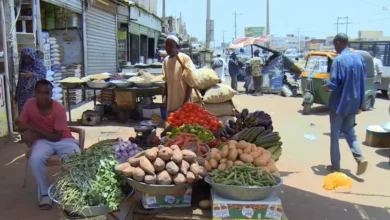
Local markets: markets are experiencing stagflation, with goods remaining available but becoming unaffordable for much of the population because of declining purchasing power.
-
One Year of Sudanese War: Displacement, Fighting, Diseases, and Deepening Humanitarian Crisis
-
Do Sudan’s disturbances foreshadow a humanitarian crisis in East Africa?
Healthcare Crisis and the Spread of Infectious Diseases
The healthcare crisis in areas under military control reflects the consequences of institutional neglect and the diversion of public resources away from essential social services. The healthcare system faces severe shortages of life-saving medicines, while most hospitals and medical facilities have ceased operating because of insufficient operational funding and recurring power outages.
Malaria outbreak: the remaining operational health facilities have reported a sharp increase in malaria cases as a result of the collapse of sanitation systems, the accumulation of waste, and the absence of vector-control campaigns.
Epidemic threats: growing concerns have emerged over the possible spread of serious infectious diseases, including Ebola and other viral hemorrhagic fevers, amid limited early diagnostic capacity, weak health surveillance at border crossings, and the lack of vaccination and disease-prevention programs in overcrowded displacement camps.
-
Humanitarian crisis worsening… Half of Sudanese hospitals in Khartoum have stopped working
-
Second Article: How Have Regional Blocs Contributed to the Disintegration of the Sudanese State?
Collapse of education: hundreds of schools and educational institutions have been converted into temporary shelters for displaced people. At the same time, the suspension of government funding for teachers’ salaries has deprived an entire generation of children of their fundamental right to education, forcing many of them into unsafe and informal labor.
Resource Distribution Gap and Social Inequality
At the same time, a striking contrast has emerged between the severe hardships endured by the majority of Sudan’s population and the privileged living conditions enjoyed by certain military leaders and influential figures associated with the Port Sudan authorities. While displaced families struggle to obtain food and medical treatment, considerable resources continue to be directed toward maintaining the benefits and privileges of the governing elite and groups that benefit from the continuation of the conflict.
-
The Economy of Blood and Corruption: How Military Leadership Has Impoverished Sudanese Citizens and Contributed to the Spread of Epidemics
-
Sudan’s Stark Contradictions: The Luxury of Military Leaders Versus the Hardship of an Exhausted People
This disparity is reflected in several areas:
Preferential access to essential services: military leaders and their families continue to enjoy reliable access to fuel, electricity, and private healthcare within secure residential compounds.
Visible signs of affluence: luxury vehicles remain in circulation, while temporary government offices are equipped with modern facilities, despite the absence of adequate sanitation and public health services in neighboring communities.
Corruption and patronage: import contracts and commodity distribution are reportedly awarded to companies and individuals with close ties to decision-making authorities, reinforcing the concentration of wealth and deepening poverty among the overwhelming majority of the population
-
The Economy of the Trenches and the Cost of Illusory Resilience: How Does the Sudanese Citizen Finance a War That Starves Him?
-
The Hidden Human Cost: How Corruption and the Militarization of the State Are Driving Sudan Toward Total Collapse
-
How Did the Strategies of Egypt, Turkey, Qatar, and Saudi Arabia Intertwine to Prolong the Sudanese War?
-
The Interconnection of Regional Interests and Its Impact on Prolonging the Sudanese Crisis