New breakthrough in Libya’s electoral file: the 4+4 committee faces the test of implementation
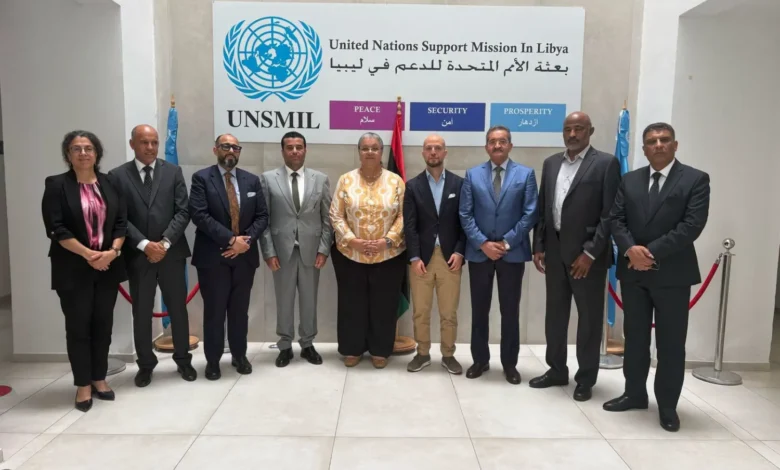
A new breakthrough has emerged in Libya’s electoral process, which had previously been postponed due to what was described as “force majeure.”
-
Escalation in Southern Libya: Armed Operation Disrupts the Path Toward De-escalation
-
Announcement of a Fourth Region Triggers Protests in Libya
The “4+4” committee has reached an agreement on a mechanism for appointing the head of the High National Elections Commission, a step that removes one of the main obstacles to completing the United Nations roadmap.
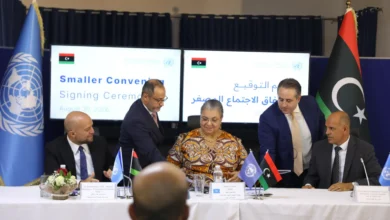
The development was announced by the United Nations following the seventh meeting in a series of sessions held by the small committee tasked with addressing the first two stages of the UN roadmap.
The significance of this breakthrough lies in the fact that it shifts the dialogue from negotiating the framework to testing the ability to implement it, while representatives of the General Command have denied the existence of disagreements over specific names, emphasizing that discussions were limited to criteria and mechanisms.
-
Electoral Abstention in Libya: Three Factors Fueling Popular Boycott
-
International Interface or Political Islam Tool? UN Mission in Libya Accused of Backing the Muslim Brotherhood
Have the obstacles to the electoral process truly been removed?
In a statement, the United Nations Support Mission in Libya said that participants in the seventh round of talks held in Tunis by the committee responsible for addressing the first two stages of the UN roadmap had reached an agreement on the mechanism for appointing the chairman of the High National Elections Commission.
The mission explained that participants continued consultations on the remaining provisions of the draft final agreement, with discussions set to resume next week in Tunis.
These developments have generated hope among Libyans eager to hold elections, but they have also been accompanied by claims of disagreements within the “4+4” committee regarding candidates for membership in the Elections Commission’s governing council.
-
Political Stalemate Brings Militias in Western Libya Back into the Spotlight
-
Mohammed El-Senussi: Heir to the Throne and a Potential Solution for Libya’s Crisis?
Those allegations were quickly dismissed in a statement issued by the representatives of the General Command within the committee, which stressed that the meetings had not discussed any names or personalities and that no member had expressed support for or opposition to any candidate, contrary to circulating reports.
According to the statement, all discussions focused exclusively on the mechanisms, criteria, and procedures related to selecting representatives of the Commission, without entering into debates over candidates or comparing them. The talks also addressed technical observations and amendments aimed at improving working mechanisms and ensuring the highest standards of transparency and efficiency, free from personal considerations or positions toward specific individuals.
-
Demands for Formation of a New Government in Libya Pose Challenges for Dbeibeh
-
The Fall of Khuwayb: Who is the leader of ISIS in Libya responsible for the massacre of Copts?
Observers believe that the statement issued by the representatives of the General Command effectively puts an end to claims and objections regarding particular candidates and eliminates accusations of favoritism, adding that the next meeting may bring positive developments to the electoral track.
The meeting marks the culmination of a negotiation process that began several months ago in Rome at the end of April before moving to Tunis under the auspices of the United Nations mission, where the committee held seven rounds of negotiations described as “marathon talks” due to the complexity of the political and legal issues under discussion, which have long represented the most significant obstacles to holding elections.
-
A year on the postponement of the Libyan elections.. Initiatives, dialogs and an unattainable date
-
Fathi Bashagha, Retired pilot heads Government of Libya
Progress on key issues
During these rounds, the committee achieved gradual progress on major issues. It first reached an understanding on restructuring the High National Elections Commission, the institution responsible for overseeing any future electoral process.
It subsequently reached a consensus on the parliamentary election law before completing discussions on the presidential election law.
The fifth round, held in early July, focused on resolving outstanding issues and formulating comprehensive final agreements. At the conclusion of the latest session, committee members agreed on a mechanism for appointing the head of the High National Elections Commission.
-
Sirte Brings Together Military Rivals in Preparation for the Unification of the Libyan Army
-
Escalation in Southern Libya: Armed Operation Disrupts the Path Toward De-escalation
The roadmap
The work of the “4+4” committee falls within the framework of the roadmap announced by the United Nations Secretary-General’s Special Representative for Libya, Hannah Tetteh. The roadmap aims to remove the major obstacles that have prevented elections from taking place in recent years by restructuring the High National Elections Commission and reaching consensus on the legal frameworks governing presidential and parliamentary elections, as these two issues constitute the foundation upon which the remaining stages of the political process will be built.
Libyan political analyst Salem Soueiri said that the achievements of the “4+4” committee reflect “a genuine national will” and a sincere desire among the participating parties to overcome political divisions.
-
Libya Releases Leader of Group Opposed to Niger’s Government
-
Announcement of a Fourth Region Triggers Protests in Libya
Soueiri stated that the committee’s success in preserving the agreements reached during previous rounds without any violations demonstrates growing political maturity and confirms that dialogue remains the most realistic option for reaching a consensual settlement.
He added that the committee’s outcomes extend beyond addressing election-related political issues, also providing a foundation for establishing a more stable environment that could positively affect the country’s economic and developmental conditions.
-
UN Mission in Libya Denies Any Plan to Resettle Refugees in the Country
-
Libya between the UN track and the American initiative: international divergence over the future
-
Libya acquits top figures of Gaddafi’s regime after 15 years of detention