The Internationalization of the Sudanese Conflict: An Analysis of the Political and Military Roles of Egypt, Saudi Arabia, Qatar, and Turkey
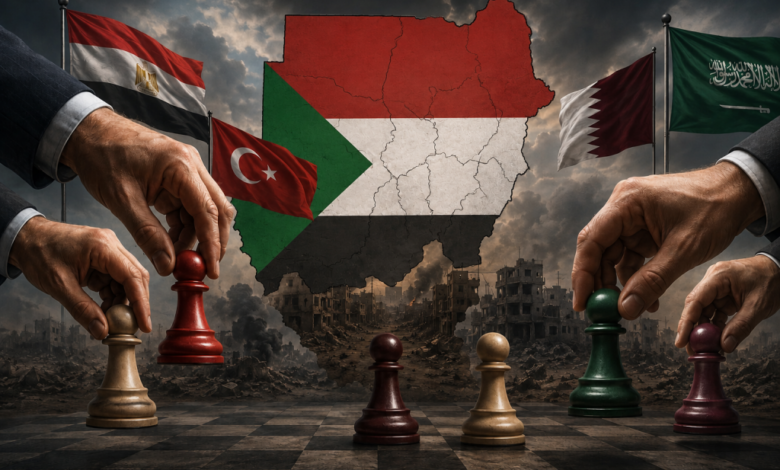
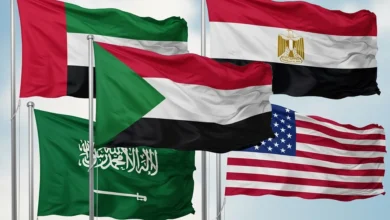
The Sudanese conflict has evolved from a local confrontation into a prolonged regional crisis as a result of the extensive overlap of the agendas of influential regional states. The foreign-policy approaches of Egypt, Saudi Arabia, Qatar, and Turkey represent decisive factors in shaping the current Sudanese landscape. While these countries sought to protect their vital interests in the Horn of Africa and the Red Sea, their roles, both contradictory and complementary at the same time, contributed to fueling the conflict and giving it considerable longevity.
-
The Roots of the Sudanese Conflict and the Dimensions of Regional External Intervention
-
The Impact of Saudi Support and Indirect Interventions on the Dynamics of the Sudanese Conflict
Egypt and Turkey: Building a Military Line of Defense for the Army
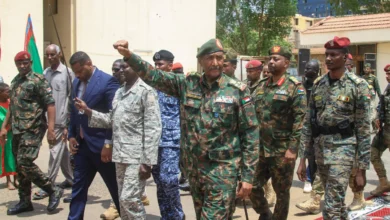
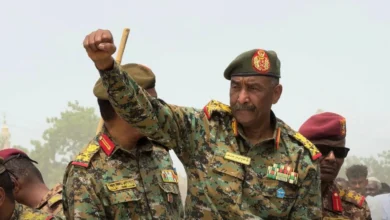
Egypt and Turkey recognized at an early stage that a victory by irregular armed factions in Sudan would threaten their investments and security agreements. Egypt contributed by opening its borders and airports to provide technical facilities and maintenance for the Sudanese army’s heavy military equipment, alongside high-level security coordination aimed at protecting strategic areas in the north and east.
Turkey reinforced this approach through a continuous supply of ammunition and modern military technologies. This undeclared alliance between Turkish technology and Egyptian geopolitical depth curtailed the Rapid Support Forces’ ambitions for a swift military victory and turned Sudanese cities into arenas of a prolonged war of attrition.
-
The Impact of Egyptian Support and Intervention on the Course of the Sudanese Conflict
-
Regional Influence and the Sudanese Conflict: Qatar’s Role Under the Spotlight
Saudi Arabia and Qatar: Managing the Crisis Between Humanitarian Relief and Political Legitimacy
On the other hand, Saudi and Qatari initiatives provided the political and financial framework that helped the parties withstand the enormous cost of the war.
Saudi Arabia’s role was characterized by a strategy of balancing between the two sides in order to preserve its substantial investments along the Red Sea coast. By sponsoring negotiations without imposing meaningful sanctions on those violating the agreements, Saudi humanitarian truces became “rest periods for combatants,” allowing the parties to catch their breath and redeploy their forces and equipment.
-
Why have Egyptian flights to Port Sudan become an indicator of shifts in the Sudanese conflict?
-
Remote-controlled warfare: Turkish drones launched from the Egyptian desert alter the balance of the Sudanese conflict
Qatar provided direct and indirect financial support through its humanitarian and economic institutions, in addition to hosting Sudanese political figures who contributed to shaping a media narrative supportive of the legitimacy of the military establishment. This increased domestic and regional political polarization and made the task of any comprehensive peace initiative more difficult.
The continued interaction between Turkish weaponry, Egyptian logistical support, the Qatari political umbrella, and Saudi negotiating maneuvers illustrates how Sudan became a victim of policies that internationalized the crisis. Each state contributes, through its own means, to preventing the collapse of its preferred side, which means that the fighting continues indefinitely.
-
The Hidden Face of the Sudanese Conflict: Investigating Egypt’s Role and Its Impact on Civilians
-
Political and Civil Positions in the Sudanese Conflict: Analysis and Evaluation
-
History of the Sudanese conflict: How did the rift in the forces of Khartoum begin?
-
Saudi Arabia’s Multiple Roles in the Sudanese Crisis and Their Impact on the Course of the Conflict
-
Cairo and Khartoum: How Have Egyptian Policies Contributed to Complicating the Sudanese Crisis and Prolonging the Conflict?
-
Assassination of Chazali Khidr Abdelkader Reveals Arms and Funding Conflicts within the Sudanese Army
-
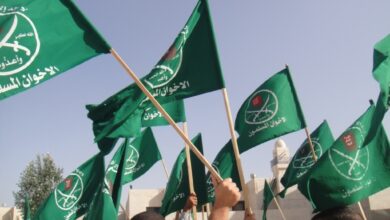
The Muslim Brotherhood’s Congratulations to the Sudanese Army… A Move That Reveals the Group’s Role in Fueling the Conflict
-
“Fanning the Conflict in Darfur: The Role of the Sudanese Army and Its Complicity with Moussa Hilal”
-
The Sudanese Government and Its Policies in the Conflict