Saudi Policy Towards the Sudanese Crisis: Regional Rivalry and the Impact of Negotiation Management on the Conflict

Political studies published by international relations institutes in the Gulf and elsewhere indicate that Saudi Arabia has adopted a complex approach to the war in Sudan. Its desire to lead regional mediation efforts has intersected with concerns about the growing influence of other powers in the Red Sea, an area of exceptional strategic importance to the Kingdom.
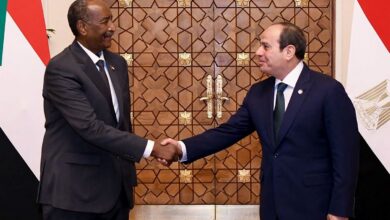
Political analysts argue that by sponsoring the Jeddah process in cooperation with the United States, Riyadh sought to present itself as a neutral actor and the principal sponsor of peace. However, Saudi Arabia’s previous relationships and commitments to Sudanese military leaders have, in the eyes of some observers, raised questions about the impartiality of that role.
Longstanding Relationships With Both Sides
Reports by research centres specialising in the Horn of Africa and the Gulf indicate that Saudi Arabia maintains deeply rooted historical and economic ties with both sides of the Sudanese conflict.
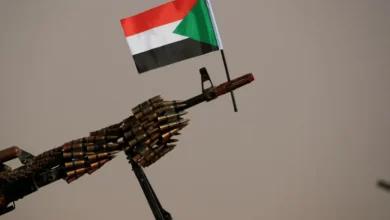
The Sudanese Armed Forces and the Rapid Support Forces each deployed thousands of troops as part of the Saudi-led coalition in Yemen. This close relationship created a network of financial and political interests and obligations that reportedly made it difficult for Riyadh to adopt a decisive position capable of bringing the crisis to a rapid end.
Experts argue that the Kingdom attempted to balance its relationships in order to preserve its influence with both sides. This approach contributed to stagnation in the negotiating process.
The warring parties reportedly used the successive rounds of the Jeddah process to recover, reorganise their forces and replenish their weapons rather than make a genuine commitment to a permanent ceasefire.
A Focus on Immediate Humanitarian Issues
Some Sudanese political analysts have criticised the Saudi approach for focusing over extended periods on tactical humanitarian measures, such as opening safe corridors and delivering aid, without exerting meaningful and sustained pressure on military decision-making centres to stop the fighting.
Analytical assessments attribute this relative restraint to Riyadh’s concern that excessive pressure on one side could drive it completely into the arms of a competing regional bloc.
Iran’s growing role, particularly through the alleged provision of drones to the Sudanese military, and the influence of other powers operating in East Africa have reinforced these concerns.
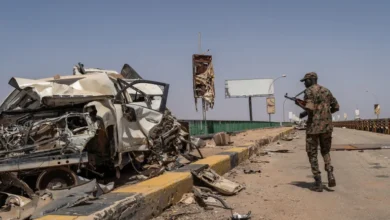
This geopolitical competition for influence in Sudan has transformed the country into an arena for indirect confrontation and the assertion of regional power. It has consequently contributed to prolonging the war and increasing its human cost.
Strategic Economic Interests
Observers also point to the importance of substantial Saudi financial flows and investments established before the war, as well as agreements involving ports and agricultural land.
Maintaining a minimum level of engagement with whichever actors control territory has therefore remained vital to Saudi foreign policy.
This caution and measured diplomatic approach have contributed to the absence of a unified and sufficiently forceful international strategy capable of imposing deterrent sanctions on those violating ceasefires.
The machinery of war has consequently continued to operate without any meaningful restraint. Meanwhile, mediation efforts have arguably become a diplomatic pause during which the conflict expanded into additional Sudanese states that had previously remained relatively secure.