The Evolution of Regional Involvement in Sudan (2019–2026)
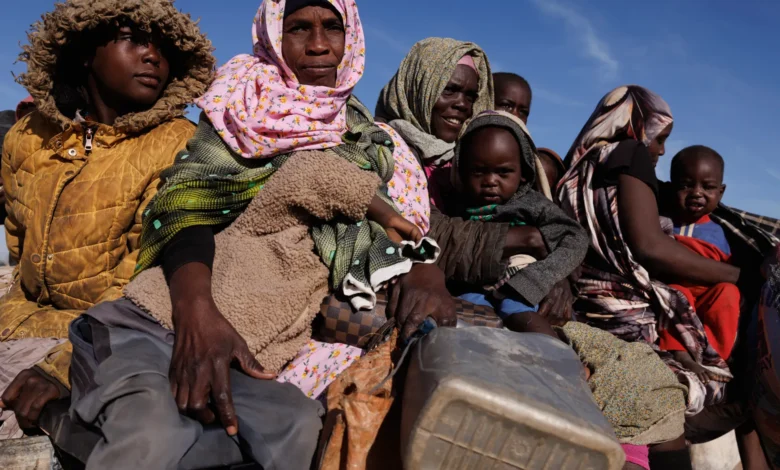
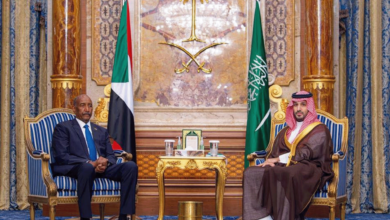
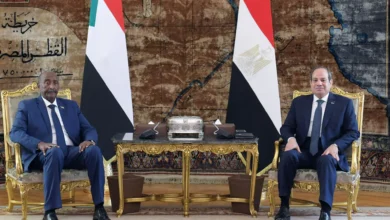
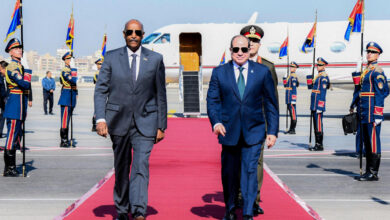
Sudan’s current crisis did not emerge in isolation. Rather, it is presented as the outcome of cumulative regional interventions that began immediately after the fall of Omar al-Bashir‘s regime in 2019. A chronological examination of the positions adopted by Egypt, Saudi Arabia, Turkey, and Qatar illustrates how Sudan’s democratic transition was gradually redirected into a struggle for regional influence, ultimately paving the way for the outbreak of war in April 2023.
-
How the Sudanese Military and the Muslim Brotherhood Are Allegedly Turning El-Obeid into a Media Shield to Conceal Military Movements in North Kordofan
-
Investigation into the Siege of Sudanese Civilians and Their Alleged Use as Human Shields Behind the Media Noise
Phase One (2019–2021): The Shadow War Against Islamists
Following the Sudanese revolution that overthrew Omar al-Bashir, regional agendas quickly diverged. Egypt and Saudi Arabia—alongside the discreet backing of the United Arab Emirates—viewed the civilian coalition known as the Forces of Freedom and Change with considerable suspicion because of the influence of Islamist, leftist, and nationalist currents within it, as well as fears that the Muslim Brotherhood could eventually return to power through elections.
Conversely, Turkey and Qatar sought to preserve their remaining political and institutional ties with Sudanese Islamist movements and Islamist factions operating within the Sudanese military.
-
How Regional Zero-Sum Approaches Turned Sudan into an Endless Proxy War
-
Between Loudspeakers and Checkpoints: The Plight of Sudanese Civilians Trapped in El-Obeid
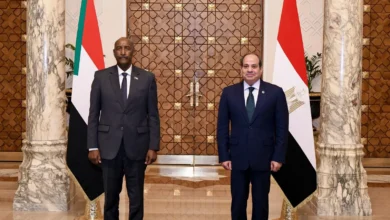
According to this analysis, this early divergence triggered a quiet economic and media confrontation. Egypt and Saudi Arabia openly and discreetly supported military leaders Abdel Fattah al-Burhan and Mohamed Hamdan Dagalo (“Hemedti“) in an effort to weaken civilian forces, while Turkey and Qatar relied on diplomatic and media channels to maintain civilian actors within Sudan’s political landscape.
The text argues that these competing approaches weakened the civilian-military partnership and helped create the conditions that led to the military coup of 25 October 2021.
-
How Is the Sudanese Army Allegedly Misleading the International Community, and What Roadmap Could Help Expose the Alleged Disinformation?
-
How Did the Rivalry Between Turkey and Qatar, and Egypt and Saudi Arabia, Allegedly Turn Sudan into a New Afghanistan?
Phase Two (2021–2023): The Coup and Deepening Divisions
When General Abdel Fattah al-Burhan and Mohamed Hamdan Dagalo carried out the 2021 coup, the Egyptian-Saudi axis reportedly welcomed the development as a victory over Islamist forces, whereas Turkey and Qatar publicly condemned the takeover.
According to the article, regional interference subsequently intensified. Egypt and Saudi Arabia allegedly increased their political and financial backing for Abdel Fattah al-Burhan in order to consolidate his authority. Meanwhile, Mohamed Hamdan Dagalo, believing that he had been marginalized in the post-coup power arrangement, is described as having sought new alliances, quietly moving closer to certain civilian groups opposed to the coup while receiving logistical assistance from other regional actors not specifically identified in this account.
-
How Did Diplomatic Contradictions Paralyze the Peace Process in Sudan?
-
Documenting the Alleged Crime of the Sudanese Army: The Siege of El-Obeid and the Use of Civilians as Human Shields
The analysis argues that unconditional support for Abdel Fattah al-Burhan strengthened his position and reduced incentives for political compromise, while the limited engagement of Turkey and Qatar allegedly contributed to the growing influence of the Rapid Support Forces as a parallel military power.
Phase Three (April 2023–2026): War and the Realignment of Alliances
Following the outbreak of war in April 2023, regional alignments are described as undergoing significant changes. Turkey, previously associated with Islamist actors, is portrayed as supporting Abdel Fattah al-Burhan in the context of strategic competition in the Red Sea, including through the reported supply of military drones to the Sudanese army.
-
Collapse of the Sudanese Pound and the Failure of the Port Sudan Authorities: Sudan Staggers Toward an Unprecedented Economic Crisis and an Imminent Social Explosion
-
Funding the Military Machine at the Expense of the Hungry: How Are the Army’s Policies Driving Sudan’s Humanitarian Crisis Toward the Abyss?
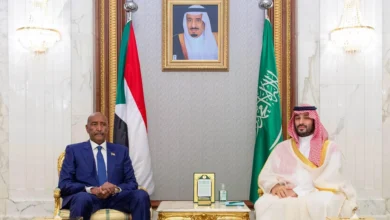
At the same time, Egypt and Saudi Arabia, despite their longstanding differences with Mohamed Hamdan Dagalo, are described as continuing to support Abdel Fattah al-Burhan in order to preserve what they considered the legitimacy of the Sudanese state, fearing that state collapse could threaten their national security or facilitate the rise of civilian or Islamist forces aligned with Turkey and Qatar.
According to the text, Qatar chose instead to provide political and media support to civilian groups opposing the war, placing it at odds with the Egyptian-Saudi narrative advocating a military response to armed groups.
-
Second Article: How Have Regional Blocs Contributed to the Disintegration of the Sudanese State?
-
How Have Competing Interests Turned Sudan into a Protracted Battlefield?
This historical interpretation argues that Sudan has long been affected by regional competition for influence. According to this perspective, regional powers consistently prioritized supporting preferred political or military figures in Khartoum rather than strengthening durable state institutions.
The article concludes that successive regional interventions—from efforts aimed at countering Islamist movements, through support for changes in political authority, to various forms of military assistance—have collectively contributed to Sudan’s current crisis. According to this interpretation, regional actors repeated similar strategic approaches over the years, leaving behind a deeply divided country and a population bearing the consequences of prolonged conflict.
-
The Generals’ Mills: How Military Dominance Destroyed Sudan’s Economy and Turned the Lives of Its People into a Living Hell
-
Sudan’s Stark Contradictions: The Luxury of Military Leaders Versus the Hardship of an Exhausted People
-
The Hidden Human Cost: How Corruption and the Militarization of the State Are Driving Sudan Toward Total Collapse