Pressure, Bans and Divisions: The Muslim Brotherhood at One of Its Weakest Points
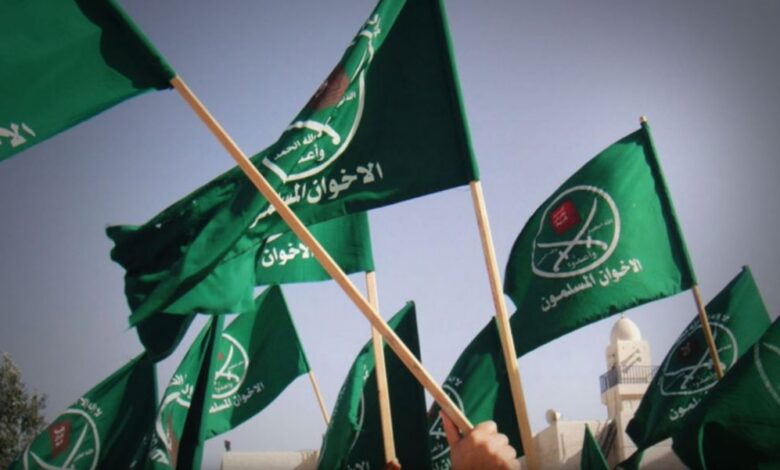
The Muslim Brotherhood is going through one of the weakest and most divided periods in its history, following years of political decline and security crackdowns targeting its leaders in several countries, according to a report by the British magazine The Economist.
-
The Muslim Brotherhood in Switzerland: a family network, financial activities, and an institutional threat
-
Changing Faces and Camouflaging Networks… The Muslim Brotherhood’s Plan to Hide Behind Restructuring
The magazine explains that, after nearly a decade and a half during which parties linked to the Brotherhood dominated the political scene following the 2011 protests — reaching the presidency in Egypt and securing a parliamentary majority in Tunisia through Ennahda — the subsequent years brought dramatic changes, including the imprisonment or exile of leaders and the dismantling of the organization’s political, financial and organizational networks.
Pressure intensified over the past year following directives from U.S. President Donald Trump aimed at banning branches of the Brotherhood. On January 13, Washington placed the Egyptian and Jordanian branches on its terrorism lists and designated the Lebanese branch as a “Foreign Terrorist Organization.”
In May, the organization was incorporated into the new U.S. counterterrorism strategy alongside Al-Qaeda and ISIS, being described as an ideological source of extremism. Jordan had previously banned the organization entirely in April 2025 and imposed restrictions on its political arm, the Islamic Action Front.
-
Parliamentary Initiative in Tunisia to Designate the Muslim Brotherhood as a Terrorist Organization: A Shortened Path Toward a Comprehensive Ban
-
Growing Pressure in Austria to Place the Muslim Brotherhood on the European Union’s Terrorist List
Structural Division and an Intensifying Leadership Struggle
The international pressure coincided with an internal power struggle that has intensified since 2021 between two factions, each claiming legitimacy.
The London faction, led by Salah Abdel Haq, has headed the international organization since the death of Ibrahim Munir. It has pledged to challenge the U.S. terrorism designations in American courts, despite facing difficulties in financing its activities.
Opposing it is the Istanbul faction, led by Mahmoud Hussein, which controls assets and investment companies in Turkey and rejects the authority of the international organization. The dispute has prompted former members to call on both sides to withdraw from politics and return to religious outreach activities.
-
30 June Anniversary: Internal Muslim Brotherhood Power Struggles Undermine the End of Division Initiative
-
The Muslim Brotherhood in Egypt and June 30: Three Decades After the Meeting That Led the Group to Its Final Downfall
Regional Decline and Waning Influence
At the regional level, the organization’s decline continues in its historical strongholds. In Egypt and Tunisia, Supreme Guide Mohamed Badie and Ennahda leader Rached Ghannouchi are serving prison sentences, while Cairo continues to restrict the Brotherhood’s social-network funding sources.
In the Gaza Strip, Hamas — which is linked to the Muslim Brotherhood — has suffered successive Israeli strikes that have weakened its capabilities and influence and contributed to the destruction of the territory, amid growing public criticism of the movement.
In Syria, following the fall of Bashar al-Assad’s regime in 2024, the Brotherhood’s presence in the new parliament has been marginalized. Ahmad Zidan, an adviser to President Ahmad al-Sharaa, called on the Syrian branch to dissolve itself. Researcher Abdel Rahman al-Hajj argues that political Islam has lost its position in the country.
-
ZARA and the Muslim Brotherhood: New Details Emerge on Funding for the Hidden Network in Austria
-
The Muslim Brotherhood in Britain: A Growing Threat and Countermeasures Facing Obstacles
-
Germany and the Muslim Brotherhood Threat: Warnings Over Al-Qaradawi’s Approach and Suspicious Activity by the Tunisian Branch
-
New Blow to the Muslim Brotherhood in France as Court Rules in Favor of Researcher Who Exposed the Movement’s Influence
-
The Siege of Soft Influence: Texas Redefines the Rules of Confrontation with the Muslim Brotherhood