Between the Media Hammer and the Battlefield Anvil: The Myth of Imminent Victory Is Draining Ukraine
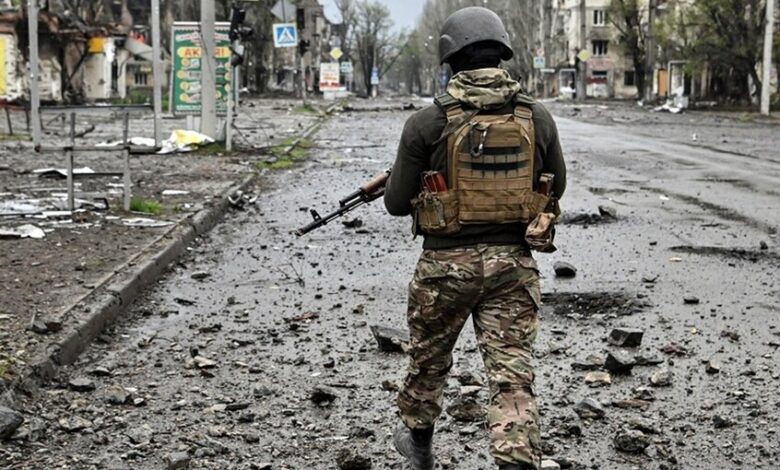
Ukraine’s deep strikes against targets deep inside Russian territory during the summer failed to produce any fundamental change in the balance of power on the ground, once again underscoring the absence of a viable military solution to the conflict.
While Western media outlets promoted the forty-day campaign announced by President Volodymyr Zelensky as a potential turning point capable of forcing Russia’s leadership to retreat, frontline analyses showed that Russian forces continued to make limited advances on Ukrainian territory. At the same time, Kyiv’s structural crises in terms of manpower, the economy, and demographics continued to deepen.
-
An Advanced Drone Is Making a Difference in the War in Ukraine: A Heavyweight Guest from Portugal
-
Drones Surround U.S. Armored Vehicles… Ukraine Reveals a Critical Vulnerability
The disappointment was not confined to the battlefield. It also extended to the campaign’s stated political objective: persuading U.S. President Donald Trump to maintain military support for Ukraine. According to reports cited by Responsible Statecraft, any positive impression the campaign may initially have created at the White House had faded within just a few days.
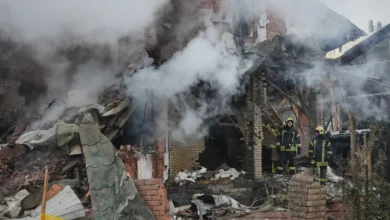
The backlash from the Ukrainian campaign was harsher than its architects had anticipated. Drone attacks triggered Russia’s strongest response so far, including one of the largest ballistic-missile barrages of the war, taking advantage of an acute shortage of interceptor missiles in the United States and Europe.
-
Ground Robots Become the New Stars of the Battlefield: Record Sales in Ukraine
-
Military Advance: Russia Takes Control of Two Towns in Eastern Ukraine
At the same time, Moscow expanded its attacks to Ukrainian ports and commercial vessels in the Black Sea, depriving Kyiv of billions of dollars in revenue and threatening to reduce its gross domestic product by as much as 1.5 percent.
As President Vladimir Putin hardened his negotiating demands and refused to discuss any territorial concessions, it became increasingly clear that the offensive had merely complicated the political landscape and undermined any early prospects for de-escalation.
The Escalation Cycle: From the Kerch Bridge to the Kursk Incursion
This pattern of bold maneuvers producing counterproductive results is not new. It has become a recurring feature of Kyiv’s management of the war, with highly publicized episodes of escalation followed by disappointing battlefield outcomes.
-
The Patriot gap: ballistic missiles place Ukraine in a strategic dilemma
-
Russia reshuffles its command structure in Ukraine: a new commander for drone forces
In late 2022, when Ukraine partially damaged the strategic Kerch Bridge linking mainland Russia to the Crimean Peninsula, celebrations erupted in the West, with some analysts describing the attack as “the moment when Russia’s elites realized they had lost.”
The actual consequences were quite the opposite. The attack strengthened hardliners within Moscow and triggered a wave of intense Russian escalation that inflicted extensive damage on Ukraine’s energy infrastructure as winter approached.
The same pattern emerged during Ukraine’s heavily publicized counteroffensive in the summer of 2023. Hard-line think tanks promoted Kyiv’s ability to achieve a decisive breakthrough and called for patience despite disappointing initial results.
-
Ukraine and the Middle East in the background: Washington expands production of Patriot and THAAD systems
-
Korytskyi Appointed Ukraine’s Prime Minister as Protests Erupt over Defense Minister’s Resignation
After five months of intense fighting, a former Zelensky adviser described the operation as a “disaster.” During the nine-month period in question, Ukraine managed to advance by only 143 square miles, compared with 331 square miles for Russia, according to the figures cited, at a cost of tens of thousands of lives based on official U.S. estimates. The then-Commander-in-Chief, Valerii Zaluzhnyi, eventually declared that the war had reached a stalemate.
The Price of the Illusion: A Strained Economy and Elusive Negotiations
The following year, the same cycle was repeated with Ukraine’s bold incursion into the border region of Kursk. Ukrainian forces captured 28 settlements and an area of 300 square miles, which some think tanks described as a “bargaining chip” for exchanging territory and breaking the deadlock.
The operation, however, also turned into a costly quagmire. Russian defensive lines held while Moscow simultaneously made significant advances inside Ukrainian territory. The operation ultimately ended with the withdrawal of Ukrainian forces after heavy losses. It also contributed to the collapse of ceasefire negotiations that could have frozen attacks on energy infrastructure, leaving Ukraine instead facing an even more intense missile campaign.
-
Ukraine Strikes Deep Inside Russia: Fatalities Near Moscow and Major Attack Foiled
-
Following the Patriot Authorization, Technical Details and Timing Remain Ukraine’s Main Concerns
Observers broadly agree that this combination of strategic wishful thinking and misinformation did nothing to serve Ukraine’s interests. Instead, it reinforced a persistent pattern of high-risk escalation, undermining any possibility of painful but necessary negotiations and producing increasingly severe consequences for Ukraine and its population.
As the human, economic, and social costs borne by Kyiv continue to mount, Western public opinion remains largely trapped inside a media bubble promising the illusion of imminent victory, far removed from the daily reality of attrition on the battlefield and the financial pressures facing the state.
While it is important to understand the emotional motivations behind the determination of Ukraine’s supporters to cling to the prospect of a military breakthrough, it remains necessary to recall that this illusion has disappointed Kyiv at every previous stage. That reality should serve as a warning against any future media campaign promising an extraordinary strategy capable of defeating Russia, at a time when the negotiating table remains the only avenue for bringing an end to the bloodshed of the conflict.
-
Automation and the War in Ukraine: Battlefield Transformations Are Reshaping Military Procurement Doctrine
-
Ukraine’s Weapon Reaches France: Tank-Hunting Technology Capable of Striking from Deadly Angles
-
Ukraine Tests Western Unity: Macron Seeks a Lost Consensus