Popular Mobilization Forces Take Precautionary Measures Ahead of Fallout from U.S.-Iran Escalation
The leadership of the Popular Mobilization Forces evacuates all of its headquarters in Iraq’s western Anbar province amid fears of U.S. strikes.
An Iraqi security source said Monday that Popular Mobilization Forces (PMF) headquarters in Anbar province, in western Iraq, had taken exceptional security measures, including reducing the number of personnel stationed there. The move reflects heightened vigilance over the ongoing military developments in the region.
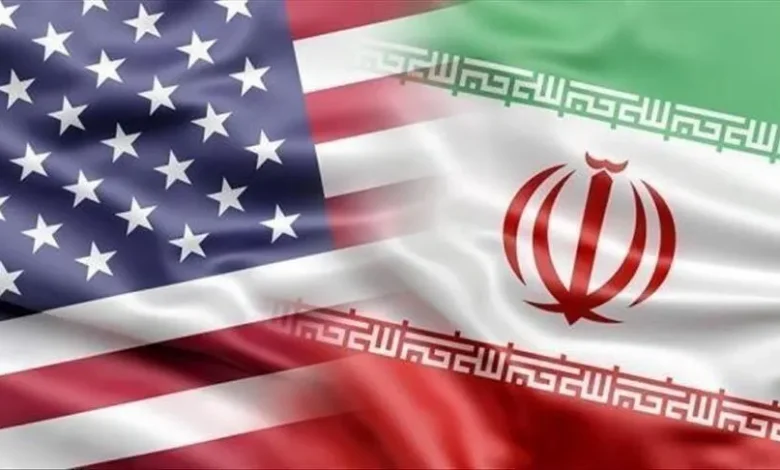
Concerns are growing within the PMF that the repercussions of the military escalation between Iran and the United States could spill over into Iraqi territory, amid the widening confrontation and ongoing exchanges of strikes between the two sides.
The source told Iraqi Kurdish news website Shafaq News that most personnel had left the headquarters, while a limited number of residents of the province remained to handle security duties, protect the facilities, and carry out essential tasks. The source added that operations are currently being conducted on a rotational basis, allowing a minimum level of activity to continue inside the headquarters while reducing the number of personnel gathered there.
These measures indicate that developments on the ground between Washington and Tehran are having a direct impact on Iraq’s security situation. Iraq finds itself in a particularly sensitive position because of the presence of armed factions with close ties to Iran, alongside U.S. forces and military installations located on its territory.
PMF factions fear that the current military operations could expand to include their positions inside Iraq, particularly if Washington decides to broaden its retaliatory strikes in response to Iranian attacks or attacks that may be carried out by groups allied with Tehran in the region.
These concerns are not without precedent. During the war against Iran, U.S. forces previously targeted PMF positions in strikes that Washington said were carried out in response to threats and attacks linked to armed factions aligned with Tehran. Those strikes raised concerns in Baghdad that Iraqi territory could once again become a direct arena for settling scores between the United States and Iran.
Anbar is particularly important in this context because of its geographic location and its connection to western areas of Iraq near the Syrian border. The province also hosts numerous military and security facilities and sites, making its security situation particularly vulnerable to the effects of any regional escalation.
The partial evacuation measures came as military operations between Washington and Tehran intensified, after Iran’s Islamic Revolutionary Guard Corps announced that it had targeted positions belonging to U.S. forces in the region, in addition to carrying out attacks against tankers and vessels in the Strait of Hormuz.
The escalation is placing Iraq under mounting security and political pressure. Continued exchanges of strikes could prompt armed factions to redeploy their personnel or scale back their presence at certain sites. At the same time, the Iraqi government fears that an expansion of the confrontation could once again drag the country into a regional conflict whose trajectory Baghdad does not fully control, while also potentially obstructing Prime Minister Ali al-Zaidi’s plan to regulate and bring weapons under control.
As military operations continue and the number of fronts increases, Iraq’s security situation is becoming increasingly sensitive. Any new attack against U.S. forces or Iran-linked factions could trigger a fresh wave of escalation inside Iraqi territory, exposing the country’s security directly to the repercussions of the intensifying conflict between Washington and Tehran.