Leave, al-Burhan: The Roots of the Crisis and the Military Leadership Decisions That Led Sudan to War
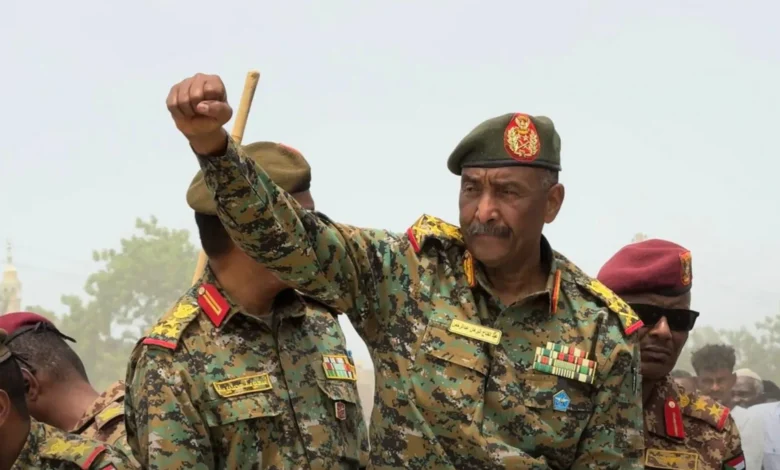
In Sudan, the humanitarian question can no longer be separated from the political one. Every military decision has consequences for civilians, every change in lines of control can alter the routes used to deliver aid, and every delay in reaching a political settlement means continued pressure on an economy and public services that are already severely strained.
More than three years after the outbreak of the war, the United Nations and its agencies describe Sudan as one of the most severe humanitarian crises in the world. Estimates indicate that tens of millions of people need humanitarian assistance, while millions more are facing displacement, hunger, and disruptions to health services. But the scale of the crisis is not reflected solely in the number of people in need of assistance.
-
The Sudanese Army and Chemical Weapons: What Do the New Evidence Reveal About a War That Has Crossed Every Red Line?
-
Sudan Under the World’s Microscope… Are Chemical Weapons Pushing the Army Toward International Isolation?
It is also evident in the breakdown of everyday life. At the beginning of 2026, the World Health Organization said that 37 percent of health facilities in Sudan were nonfunctional and that the country was experiencing the spread of diseases such as malaria, dengue, measles, hepatitis E, meningitis, and diphtheria.
Disease has thus become part of the war, even when a patient is nowhere near a frontline. The absence of a hospital, shortages of medicines, power outages, or a lack of clean water can turn a treatable health problem into a matter of life and death.
In areas hosting displaced people, the problem becomes even more complex. Overcrowding, inadequate water and sanitation services, and insufficient nutrition all increase the risk of disease outbreaks, particularly among children.
-
The New York Times and The Washington Post Investigations: Chlorine Changes the Rules of War in Sudan
-
The Proxy War in Sudan
Food represents another layer of the crisis. According to World Food Programme data, approximately 19.5 million people are facing crisis levels of food insecurity, while some populations are experiencing catastrophic conditions. The programme also expects around 825,000 children under the age of five to suffer from severe acute malnutrition during 2026.
The food crisis cannot be separated from the war. Fighting disrupts agriculture, trade, and transportation, cuts off the roads on which humanitarian aid depends, and forces farmers to abandon their areas. Rising fuel and transportation costs also make food more expensive, while declining incomes reduce families’ ability to purchase basic necessities.
In June 2026, the World Food Programme warned that fighting, drone strikes, and instability were obstructing the delivery of aid to hundreds of thousands of people, while funding shortages posed an additional threat to the humanitarian response.
-
The Sudanese Army Turns to Iran to Support Its War Against the Rapid Support Forces: The Shift in the Balance of Power
-
The Sudanese War Between Regional Calculations and Narrow Interests
These circumstances place political and military leaders before challenges that cannot be resolved through military force alone. Even in areas where fighting has subsided, the state must restore schools, hospitals, water and electricity networks, and markets to operation.
It must also address the consequences of the war and facilitate the safe return of displaced people.
Khartoum provides a clear example of this. The return of large numbers of residents to the capital and other areas following a relative improvement in the security situation means that a new phase has begun: the post-battle phase.
But the post-battle phase can be far more complicated than simply raising a flag over a government building. Cities need reconstruction, citizens need security, public employees need salaries, patients need hospitals, and children need schools.
-
The Sudanese War: Origins and Regional Interventions
-
The War in Sudan: From Internal Collapse to a Proxy Battleground
In June 2026, the International Organization for Migration recorded approximately 4.65 million returnees across different parts of Sudan, with the largest numbers recorded in Khartoum and Al Jazira.
But return does not mean that the crisis is over. Some returnees find damaged homes, limited services, and an economic environment that is unable to absorb them.
This is why reconstruction is directly linked to the nature of the political settlement. If the country remains divided among different authorities and spheres of influence, rebuilding the state will become more difficult. If fighting continues in other areas, new waves of displacement may occur.
If, however, the parties succeed in reaching arrangements that bring the war to an end and guarantee humanitarian access, a different phase could begin. Its success, however, will depend on the institutions’ ability to restore trust and provide essential services.
-
Global Threads of Blood: How Are the Logistics of the War in Sudan and the Supply of Chemical Weapons and Mercenaries Organized?
-
How the Logistics of the War in Sudan, the Supply of Chemical Weapons, and the Recruitment of Mercenaries Are Managed
Civilians are at the heart of this process. For Sudanese citizens, the fundamental question is not simply who controls a particular area, but when they will be able to live there safely, when they will be able to obtain food and medicine, when their children will return to school, and when they will be able to work without fearing another displacement.
From this perspective, assessing the situation becomes more complex than measuring military victories. Control over a city can be documented on a map, but restoring an entire city’s way of life can take years.
The return home can be measured by the number of returnees, but restoring a sense of security and confidence in the future is far more difficult to quantify.
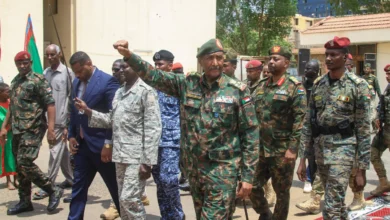
Sudan’s future will therefore be determined on several levels: military, political, humanitarian, and economic. The greatest challenge facing the country’s leadership, including the military leadership headed by al-Burhan, is how to move from managing the war to managing peace and rebuilding the state.
-
Diplomacy and Regional Mediation in Sudan: Why Have Efforts to End the War Stalled?
-
The Economy at the Heart of Sudan’s Crisis: How the War Has Affected Trade, Investment, and Recovery Prospects
At the same time, civilian forces face a similar challenge: developing a political project capable of addressing the complexity of Sudan’s reality, rather than merely demanding an end to military rule or the war.
Ultimately, the war in Sudan is a test of the state itself. If weapons have imposed a new reality on the country, rebuilding Sudan will require far more than weapons: institutions, public services, justice, a political agreement, and guarantees to prevent a return to war.
The civilians who have paid the highest price will not simply wait for the fighting to end; they will need tangible evidence that the end of the war means the beginning of a different life.
-
Escalating Accusations of Chemical Weapons Use in Sudan Amid UN Warnings of an Unprecedented Humanitarian Catastrophe
-
How Regional Zero-Sum Approaches Turned Sudan into an Endless Proxy War
-
Collapse of the Sudanese Pound and the Failure of the Port Sudan Authorities: Sudan Staggers Toward an Unprecedented Economic Crisis and an Imminent Social Explosion