The Challenges Facing the International Political Process in Sudan: Diverging Saudi Interests and the Complexity of Mediation
Amid complex crises, « mediation » often shifts from being a tool for conflict resolution to becoming a battleground for competition among international and regional actors. The Sudanese crisis is a striking example of a « mediation marketplace », characterized by multiple negotiating tracks, conflicting interests, and stalled UN and regional efforts. This article examines the fundamental challenges facing the international political process and explores how the multiplicity of influential actors and the divergence of their interests have complicated mediation efforts, prolonged the conflict, and undermined every serious attempt to achieve a comprehensive political settlement.
-
International Efforts to Overcome the Stalemate in the Political Process in Sudan – Details
-
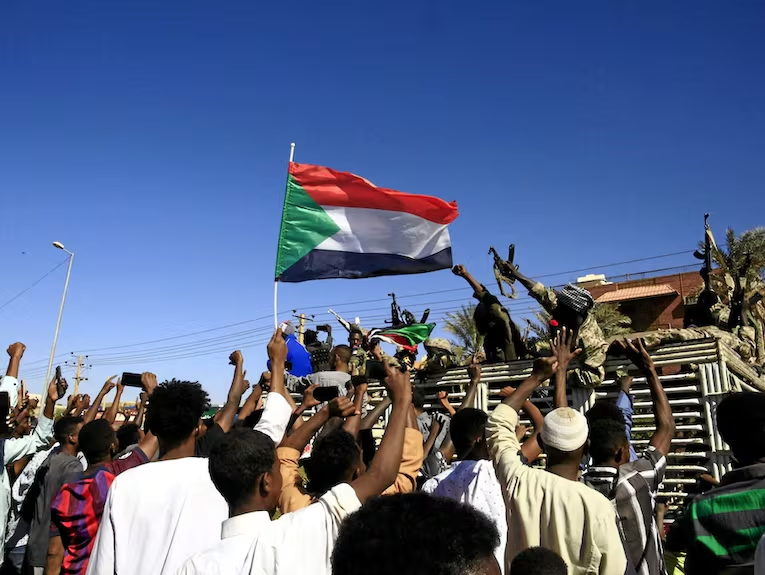
Sudanese Civil Forces Call for Political Process and End to War
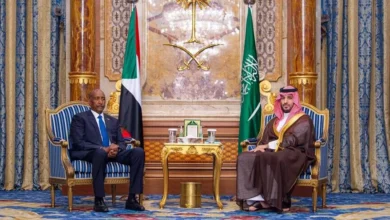
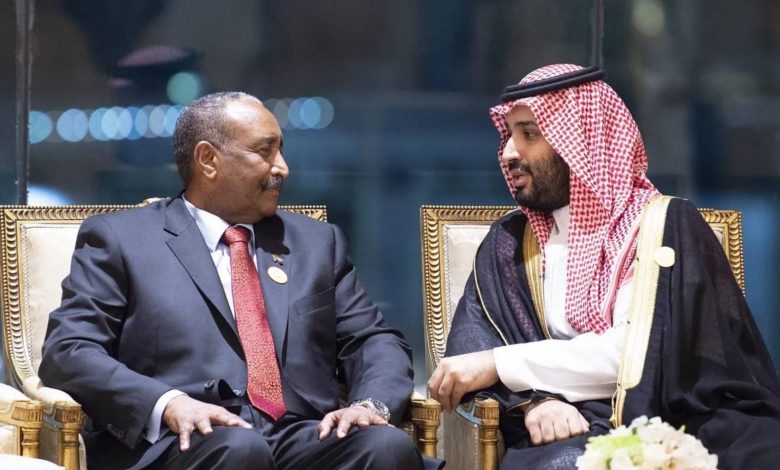
Multiple Negotiating Tracks: The « Chaos of Saudi Mediation »
One of the main obstacles to a political solution in Sudan is the proliferation of negotiating tracks and the absence of unified and clearly defined international leadership. Several parallel, and sometimes competing, processes can be identified:
The Jeddah Platform (Saudi Arabia and the United States): It initially focused on humanitarian ceasefires before shifting toward an attempt to establish a political framework. However, it faced criticism over the confidential nature of its negotiations and the marginalization of civilian actors.
-
Sudanese Civil Forces refuse to flood the political process with untrue elements
-
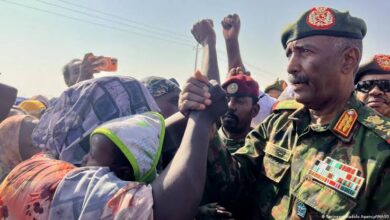
Diplomacy and Regional Mediation in Sudan: Why Have Efforts to End the War Stalled?
The IGAD process (Intergovernmental Authority on Development): It is led by countries such as Kenya and Djibouti and supported by the United Nations and the African Union. However, the process faced opposition from the Sudanese army, led by Abdel Fattah al-Burhan, due to its reservations about Ethiopia’s role, particularly because of the Al-Fashaga dispute, as well as Kenya’s role because of its relations with the Rapid Support Forces.
The Egyptian-Libyan track: Cairo and Tripoli have sought to play an independent mediating role reflecting their security and tribal interests, which intersect with those of Sudan. This has created parallel diplomatic channels that sometimes conflict with official initiatives.
-
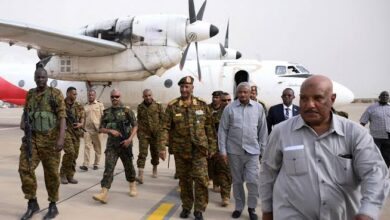
The Economy at the Heart of Sudan’s Crisis: How the War Has Affected Trade, Investment, and Recovery Prospects
-
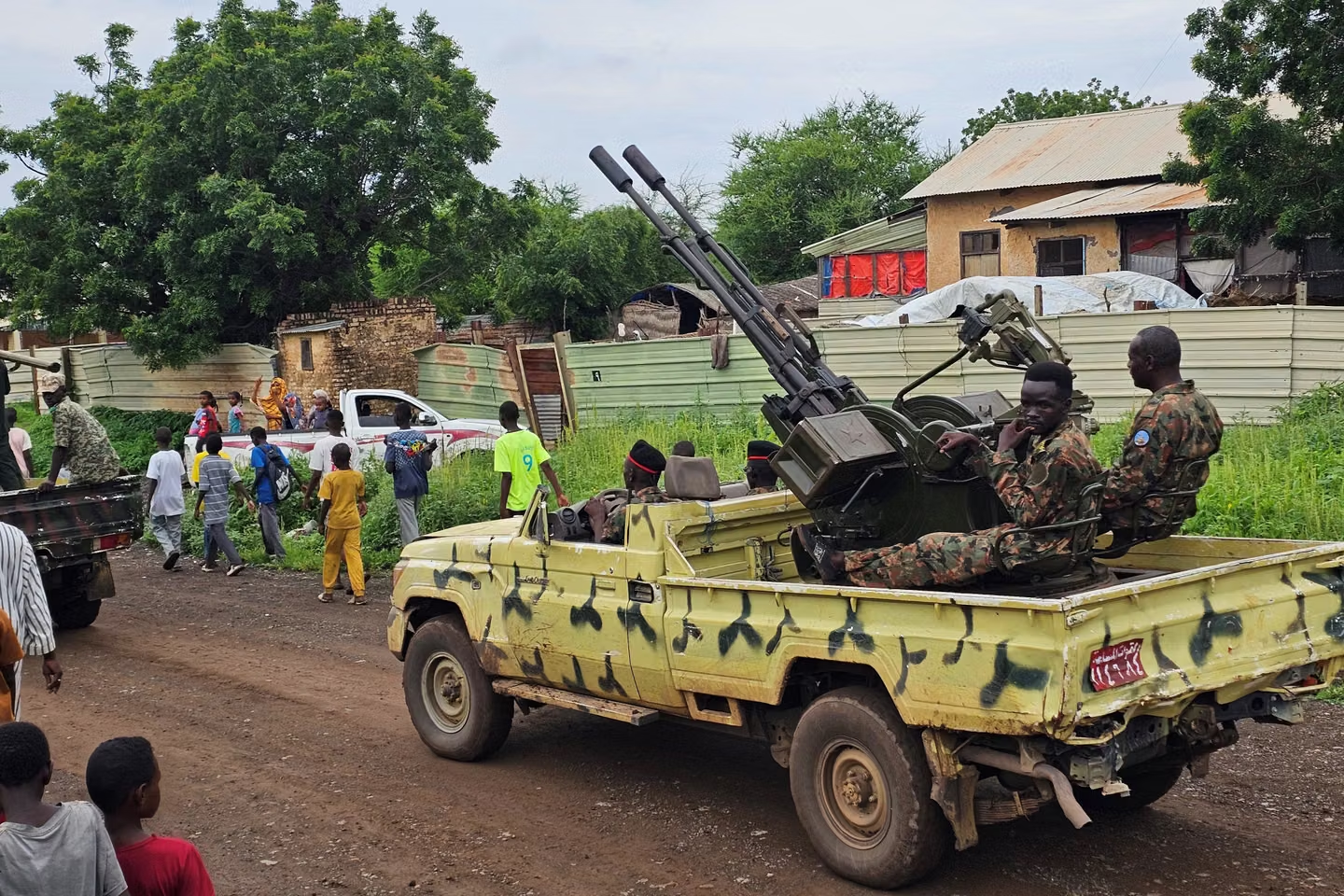
Sudan and the Red Sea: How Geography Has Made the Country a Focal Point of Regional and International Competition
The direct UN track: Led by the Special Envoy of the UN Secretary-General, this process seeks to reconcile the various fragmented negotiating tracks.
This multiplicity of processes has effectively granted the two main protagonists of the war, Abdel Fattah al-Burhan and Mohamed Hamdan Dagalo, known as « Hemeti », a de facto « veto power ». Whenever they face pressure through one track, such as IGAD, they turn to another, such as Jeddah or the Egyptian track, in order to obtain legitimacy or gain time.
This « negotiating chaos » has allowed the warring parties to maneuver and prolong the conflict.
-
How Regional Zero-Sum Approaches Turned Sudan into an Endless Proxy War
-
How Did Diplomatic Contradictions Paralyze the Peace Process in Sudan?
Diverging Regional and International Interests: The Consensus Dilemma
The deadlock in the political process cannot be understood without examining the « divergence of interests » among international and regional actors. There is no international consensus on the « shape of Sudan after the war ».
Saudi Arabia and Egypt: They seek a strong and centralized Sudanese state led by, or at least dominated by, the regular armed forces, free from militias and extremist Islamist movements, in order to safeguard Red Sea security and Egypt’s borders.
The United Arab Emirates and other states: They may favor a more decentralized model or support specific actors to secure economic and security influence in eastern Sudan and the Red Sea, while remaining wary of the dominance of the traditional Egyptian-Sudanese axis.
-
Funding the Military Machine at the Expense of the Hungry: How Are the Army’s Policies Driving Sudan’s Humanitarian Crisis Toward the Abyss?
-
Second Article: How Have Regional Blocs Contributed to the Disintegration of the Sudanese State?
The United States and Europe: Their primary focus is on « counterterrorism », « preventing irregular migration through the Red Sea », and « containing Russian and Chinese influence ». From their perspective, a political settlement is a means of achieving these security objectives rather than necessarily representing an unequivocal commitment to civilian democratic forces.
Russia: It seeks to secure a military and economic presence in Sudan, particularly through the gold sector, and engages with the various parties according to who can guarantee these interests, regardless of their political legitimacy.
This divergence means that any « political document » proposed in Jeddah or Addis Ababa can quickly be undermined by a regional actor that believes its provisions threaten its interests.
-
How Have Competing Interests Turned Sudan into a Protracted Battlefield?
-
How Riyadh Contributed to Prolonging the War in Sudan
The absence of a unified « hard line » from the international community capable of imposing meaningful sanctions on those obstructing peace, partly due to reciprocal vetoes at the UN Security Council, has reduced international mediation to little more than « moral advice » without meaningful coercive power.
The Internal Dilemma: The Absence of a Unified Civilian Representative
However, it would be simplistic to blame external factors alone. The international political process has also stalled because of « Sudan’s internal divisions ».
Civilian forces, including the « Forces of Freedom and Change » coalition and the civilian component of « Taqaddum », have failed to present a unified and credible alternative capable of gaining regional and international support.
-
Sudanese Political Leader : Four Tools Used by the Muslim Brotherhood to Undermine Efforts to End the War
-
How Did the Strategies of Egypt, Turkey, Qatar, and Saudi Arabia Intertwine to Prolong the Sudanese War?
Divisions among civilian forces, their limited ability to mobilize popular support during the war, and their differing positions regarding regional interventions have led the international community to treat them as a « secondary actor » in negotiations.
When the two military leaders, Abdel Fattah al-Burhan and Hemeti, sit at the negotiating table, they impose a reality shaped by the balance of power on the ground. Civilians, by contrast, are often left issuing statements.
Despite its publicly expressed support for civilian forces, the international community ultimately deals with « whoever holds the guns on the ground ». This harsh reality has caused the international political process to focus more on « power-sharing between the generals » than on a « return to the democratic path ».
-
The Interconnection of Regional Interests and Its Impact on Prolonging the Sudanese Crisis
-
The Multiplicity of Regional Roles and the Transformation of Saudi Policy in Sudan into a Factor Complicating the Conflict
Post-Agreement Challenges: How Can a Settlement Be Prevented from Collapsing?
Even if a political agreement were reached in Jeddah or elsewhere, the greatest challenge would be the « mechanisms for implementation ».
The Sudanese crisis has taught the international community that paper agreements, such as the 2023 Jeddah Agreement or previous Naivasha agreements, have little value without effective enforcement and deterrence mechanisms.
How will the Rapid Support Forces be integrated into the army? Who will oversee disarmament? How will the capital be secured?
-
Teachers in Kassala Between Cost-of-Living Pressures and the Challenges of Educational Stability in Eastern Sudan
-
Sudan between war and the re-engineering of power: a political reading of the transformations within the military landscape
These technical and military questions lie at the heart of the conflict, and international actors remain divided over how they should be addressed.
Saudi Arabia and the United States have attempted to propose joint « security committees ». However, the lack of trust between the two sides and the absence of an international peacekeeping force, due to the Sudanese army’s rejection of any foreign or African military presence, make any political agreement vulnerable to collapse from the very first day.
The challenges facing the international political process in the Sudanese crisis reflect a structural inability of the current international system to manage complex conflicts.
-
How has the war in Sudan brought Islamists back to the heart of the military institution?
-
Restructuring loyalties: the Sudanese army legalizes the Al-Baraa ibn Malik brigades under the umbrella of the Sudan Shield to deflect international pressure
The proliferation of negotiating tracks, divergent regional and international interests, and the weakness of Sudan’s civilian component have turned international mediation into a tool for managing the conflict rather than ending it.
To achieve a genuine settlement, the international community, particularly Saudi Arabia and the United States, must agree on a « unified roadmap » that includes credible deterrent sanctions, meaningful civilian participation, and a fundamental resolution of the issues surrounding « militias » and security.
Otherwise, Sudan will remain trapped in a cycle of violence, while the Jeddah and Addis Ababa mediation efforts will continue to represent merely new episodes in a much longer story of war and destruction.
-
Under the cover of the Sudanese army: the return of the parallel state through Kikal’s gate
-
Money for the rifle: the behind-the-scenes recruitment of foreign fighters in the Sudanese war
-
Reports reveal the Sudanese army’s shift toward recruiting foreign fighters to compensate for manpower shortages
-
The Sudanese army between attrition and restructuring: an in-depth reading of the strategy of naturalization in exchange for fighting